World news and discussion on TalkFuse.
Republicans fall in line with Trump on Iran war despite rising costs and US death toll
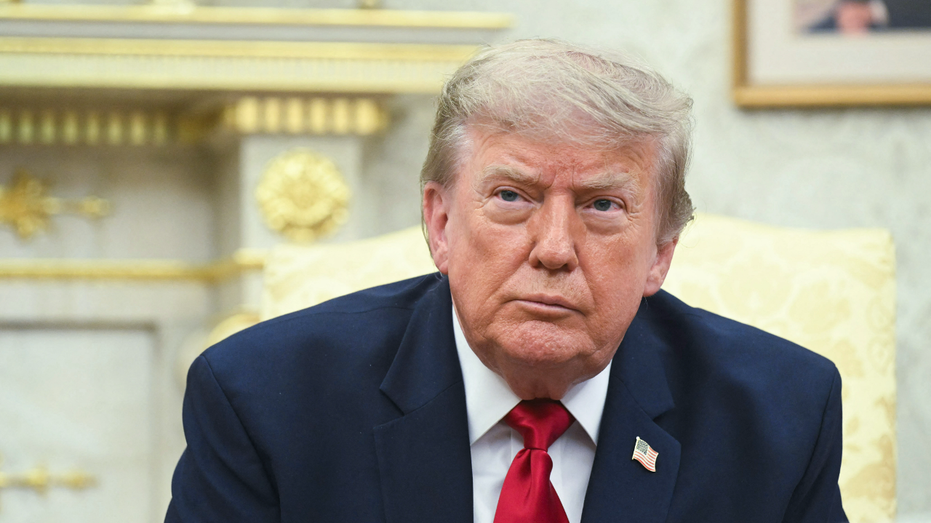
Senate Republicans defeated a Democratic attempt to restrict President Donald Trump’s authority in the conflict with Iran, despite concerns about rising US casualties, higher energy prices and the wider uncertainty created by the war. The vote matters because it preserves the president’s ability to continue military action without the additional limits sought by Democrats.
The article says Democrats introduced another war powers resolution, while Republicans largely aligned with Trump’s approach to Iran. It frames the debate against a backdrop of a mounting death toll, increasing energy costs and ongoing military and diplomatic developments in the Middle East.
In short
- Senate Republicans rejected limits on Trump’s Iran war powers.
- Democrats cited casualties, costs and uncertainty.
- The vote leaves Trump’s military authority intact.
Steelman: both sides, in good faith
The strongest fair case each way — we don't pick a winner.
The case for
Effective military command requires flexibility and swift decision-making that legislative procedures cannot accommodate; restricting presidential authority in an ongoing conflict risks constraining the nation's ability to respond to threats and potentially endangering troops. The president, as commander-in-chief with access to classified intelligence and expert military counsel, is best positioned to make operational decisions, whereas war powers resolutions represent legislative second-guessing of security matters more effectively managed by the executive. Preserving this authority is essential to national security.
The case against
The Constitution vests Congress with the power to declare war as a fundamental check against unilateral executive action that historically can lead to prolonged, costly and ultimately unaccountable conflicts. Rising casualties and economic costs—reflected in energy prices and military expenditure—make the case for congressional reassessment compelling, and requiring periodic authorisation ensures democratic input into decisions affecting American lives and resources. Regular congressional engagement encourages the executive to articulate clear strategic goals rather than pursue open-ended military campaigns.
Explained simply
The United States is currently engaged in military conflict with Iran, with operations centred in the Middle East. This campaign has resulted in American military casualties and has affected global energy prices.
The Senate voted on whether to restrict President Trump's authority to continue military operations against Iran without seeking further congressional approval. Senate Republicans voted against the restriction, allowing the president to conduct military action largely at his discretion.
The Senate's decision determines the scope of presidential authority over military operations. This matters because the conflict continues to exact mounting costs in American lives, energy prices, and regional stability.
Americas Elections Government Middle East Politics World