Health news and discussion on TalkFuse.
Men switched at birth uncover hospital mix-up after DNA test decades later
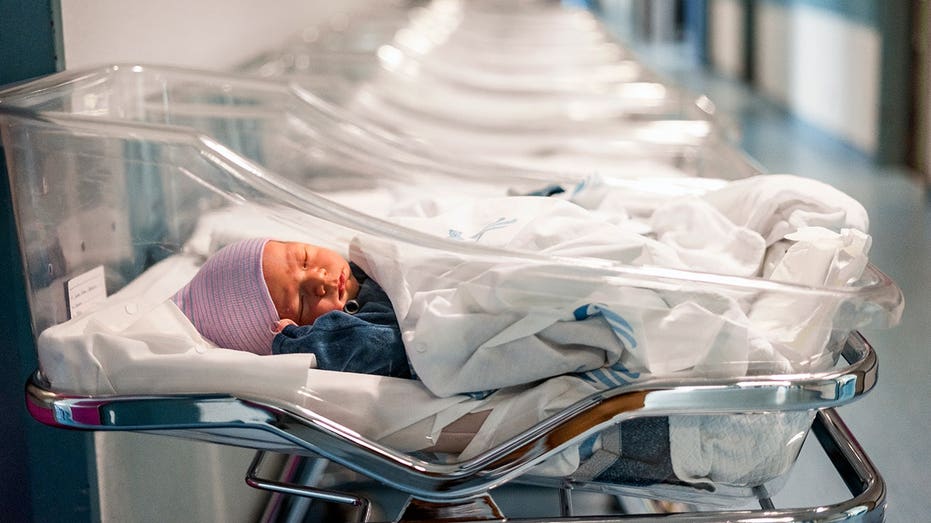
Two North Dakota men are suing Unity Medical Center after DNA testing indicated they were switched at birth nearly four decades ago. The discovery has left both men seeking answers and highlights the lasting emotional and personal consequences of an alleged hospital error.
Jeremy Morrison and Kyle Bylin were born in 1988 and learned of the apparent mix-up through DNA test results. They allege negligence by the hospital, which says it no longer has records from that period; the lawsuit is intended to establish how the switch happened and who was responsible.
In short
- DNA tests indicated two men were switched at birth.
- They are suing a North Dakota hospital for negligence.
- The hospital says records from 1988 no longer exist.
Steelman: both sides, in good faith
The strongest fair case each way — we don't pick a winner.
The case for
The hospital bears an absolute, fundamental duty to correctly identify newborns, and a switch that affected both men's identities, family relationships, and sense of self for four decades represents a catastrophic breach of that duty. DNA evidence definitively establishes the mix-up occurred; the hospital's inability to produce records from 1988 cannot erase the documented harm or diminish its institutional responsibility to account for how such a critical error took place. The men deserve answers and accountability, and holding hospitals to such standards encourages rigorous safety protocols that prevent similar failures.
The case against
Pursuing liability nearly four decades later confronts fundamental legal and practical obstacles: without contemporaneous records, establishing the specific negligence required for liability becomes nearly impossible, potentially exposing the hospital unfairly to legal liability for an error that modern procedures would almost certainly prevent. The immense passage of time complicates what remedy would meaningfully address the men's harm—they have lived entire lives, formed relationships and identities within their current families, raising thorny questions about what compensation genuinely addresses their injuries or whether a single historical hospital action bears sole responsibility for consequences accumulated across four decades. Without clear evidence of which individual or procedure failed, imposing institutional liability may exceed what is reasonably attributable to one error.
Explained simply
Two men born in North Dakota in 1988 have discovered through DNA testing that they were switched at birth at Unity Medical Center. Jeremy Morrison and Kyle Bylin only learned of the apparent mix-up decades later, when DNA tests revealed they were not biologically related to the families that raised them.
Being switched at birth means each man was raised by a family that was not his biological family. Such discoveries can have profound emotional and psychological consequences, as individuals must reckon with questions about their identity and family relationships.
Hospital mix-ups of this kind are rare but can have lifelong impacts when they occur. The case highlights broader concerns about hospital accountability, record-keeping practices and procedural safeguards, and demonstrates how medical errors can have serious effects that only become apparent many years after they happen.
Health Medicine Research Science World