Qobuz overhauls its music player and adds real-time lyrics
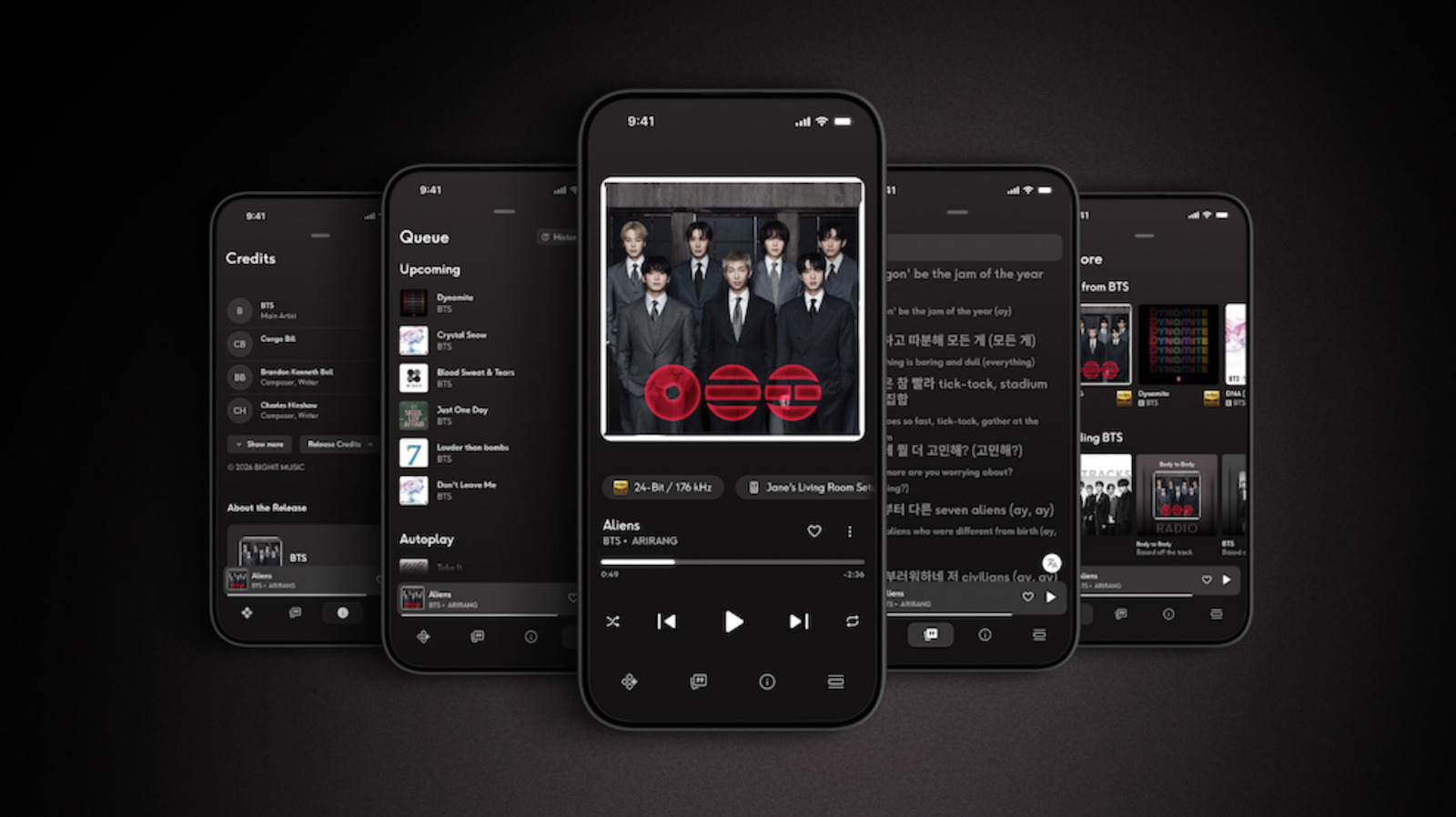
Qobuz has redesigned its music player and introduced real-time, line-by-line lyrics with translations, addressing a feature gap with larger streaming services. The update matters because it strengthens Qobuz’s appeal as a higher-quality, artist-focused alternative to Spotify while improving everyday playback and discovery tools.
The refreshed interface draws on album artwork colours, retains a persistent miniplayer and offers more detailed queue controls. New discovery options suggest related music and allow browsing by genre or record label, while redesigned credits enable users to follow artists and labels; the changes are available on iOS and Android, with Siri voice control also added. Qobuz subscriptions cost £12–£15 monthly after a 30-day trial, and the service has previously been estimated to pay about $0.043 per stream, compared with far more streams needed on Spotify to earn equivalent revenue.
In short
- Qobuz adds synchronised lyrics and a redesigned player.
- Discovery, credits and queue controls have been expanded.
- The service aims to differentiate itself through stronger artist payments.
Explained simply
Qobuz is a music streaming service built on paid subscriptions, positioning itself against mainstream platforms like Spotify through its focus on high-quality sound and higher payments to artists. Unlike Spotify, which offers free listening, Qobuz requires a monthly fee, allowing listeners to support musicians more directly.
The music streaming market is dominated by a handful of major services, each with millions of users and extensive features. Qobuz targets a smaller segment of listeners interested in sound quality and higher artist payments, though this distinct positioning means it competes with much larger platforms that have significantly greater resources and user bases.
For any streaming service, especially a smaller competitor with a specific market position, the app's everyday functionality matters for user retention and satisfaction. A service emphasising sound quality and artist support must still deliver the conveniences music listeners expect from their primary app if it is to remain competitive.
Entertainment Music Software Technology