World news and discussion on TalkFuse.
White House defends WNBA star Sophie Cunningham after she speaks out in support of protecting women’s sports
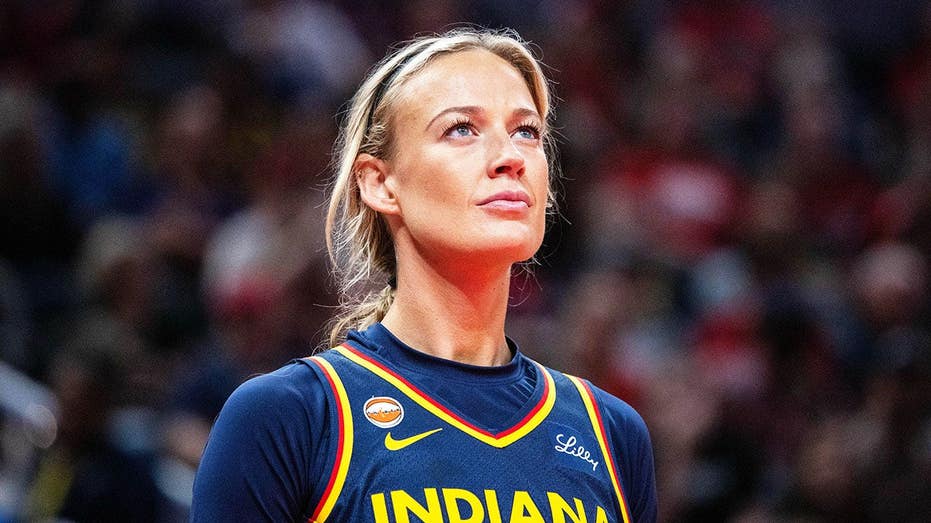
The White House has backed Indiana Fever player Sophie Cunningham after she publicly argued that transgender women should not compete in women’s sport. Press secretary Karoline Leavitt said men should not play in women’s competitions, placing Cunningham’s remarks within the wider political debate over transgender participation and protections for female athletes.
The article reports that Cunningham’s stance has drawn support from some young female athletes, including people who say they have experienced unfair competition or concerns about changing-room privacy. It presents the issue as part of a broader national dispute over sporting eligibility rules, with the White House publicly aligning itself with Cunningham’s position.
In short
- White House backs Sophie Cunningham’s stance on women’s sport.
- Cunningham opposes transgender women competing in female categories.
- The issue remains central to US political debate.
Steelman: both sides, in good faith
The strongest fair case each way — we don't pick a winner.
The case for
Supporters of restricting transgender women's participation in women's sports argue that biological differences in muscle mass, bone density, and testosterone levels can create competitive advantages that may persist even after transition, making fair competition difficult in certain sports. They emphasise that women's sports categories exist precisely to create opportunities for female athletes to compete meaningfully with their peers, and that protecting this space is essential for the future of women's athletics and for safeguarding opportunities for girls.
The case against
Advocates for transgender inclusion contend that categorical bans are discriminatory and deny opportunities to transgender athletes based on identity rather than individualised assessment of specific circumstances. They argue that many transgender athletes have competed responsibly within existing eligibility frameworks, and that evidence-based rules tailored to particular sports are more appropriate than blanket exclusions that marginalise people already facing social exclusion.
Explained simply
The participation of transgender women in women's sports has become a contested issue in the United States. Sports organisations and governing bodies have disagreed about eligibility rules, with some allowing transgender women to compete in women's categories and others imposing restrictions. This disagreement reflects broader concerns about fairness in competition and competing views about inclusion and transgender rights.
Sophie Cunningham is a basketball player for the Indiana Fever, a professional team in the WNBA league. She has spoken publicly about concerns regarding transgender participation in women's sports, joining other female athletes who worry about competitive fairness and practical matters such as changing-room access and privacy.
The issue has become politically charged, with debate continuing about how sports organisations should balance concerns about fair competition for female athletes with questions about inclusion and opportunity for transgender individuals. Different groups hold differing views on what rules should apply when determining who can compete in women's sports.
Asia Basketball Celebrity Entertainment Sport World