Technology news and discussion on TalkFuse.
Elon Musk says his AI platform will create ‘historically accurate’ full-length ‘Odyssey’ movie
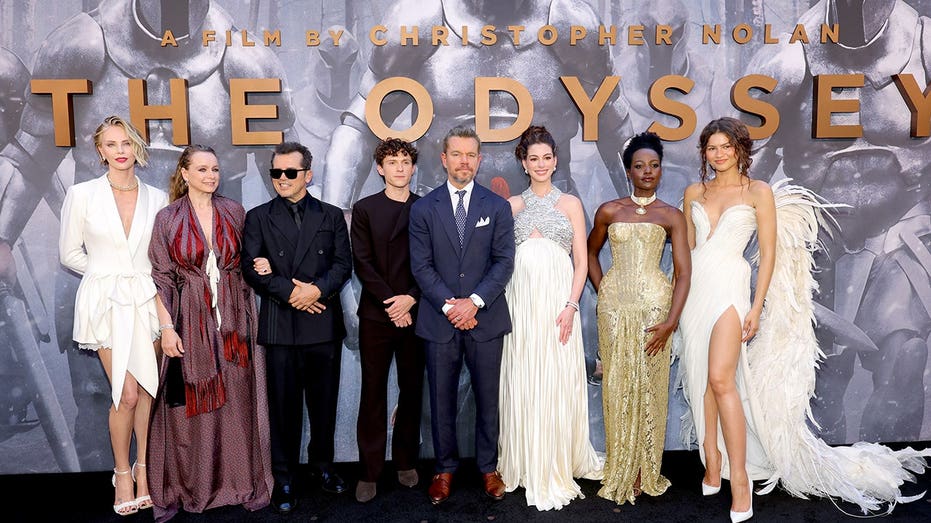
Elon Musk said he plans to use his AI platform to create a feature-length adaptation of Homer’s “The Odyssey”, describing it as historically accurate and faithful to the author’s intentions. The announcement matters because it places another major cultural work at the centre of debate over AI-generated filmmaking and adaptation.
Musk made the comments on Wednesday while reposting a three-minute scene, according to Fox News. The article also notes that Christopher Nolan is developing his own IMAX reimagining of the ancient Greek epic, providing the context for Musk’s criticism of Nolan’s casting.
In short
- Musk plans an AI-made “Odyssey” film.
- He says it will be historically accurate.
- Nolan is also adapting the epic.
Steelman: both sides, in good faith
The strongest fair case each way — we don't pick a winner.
The case for
Supporters of AI-generated cinema argue that technological advancement in creative fields follows a historical pattern of expanding artistic possibility—from photography through CGI to AI. They contend that if an AI adaptation can translate Homer's vision to screen in ways that engage contemporary audiences, the means of production matter less than the artistic result. This approach could make such adaptations economically viable and free them from conventional production constraints, potentially unlocking creative possibilities unavailable through traditional filmmaking.
The case against
Critics argue that classic literature deserves human artistic interpretation rather than algorithmic reproduction, and claims of "historical accuracy" or "faithfulness" misrepresent what AI can achieve—adaptation requires meaningful creative judgment about interpretation that algorithms cannot genuinely provide. They further contend that AI-generated filmmaking threatens to devalue human craftsmanship across cinematography, directing, and storytelling, whilst raising unresolved questions about copyright, artistic legitimacy, and whether cultural treasures like Homer's work should be entrusted to computational systems rather than human artists.
Explained simply
The Odyssey is an ancient Greek epic poem attributed to Homer, recounting a warrior's long journey home after the Trojan War. It ranks among the most famous and foundational works of Western literature, spawning countless adaptations across centuries.
Elon Musk, a billionaire entrepreneur involved with the AI company xAI, has announced plans to use this platform to create a full-length film adaptation of The Odyssey, describing it as historically accurate and true to Homer's original intentions. The announcement carries significance because it brings artificial intelligence squarely into the discussion around adapting canonical literary works, a debate that extends across the creative industries.
Film director Christopher Nolan is separately developing his own IMAX adaptation of the same epic, and the two projects have sparked discussion about the best approaches for reimagining such classic texts. These competing visions highlight broader questions about the role of AI in filmmaking, how cultural heritage should be interpreted, and what methods audiences and industry figures consider appropriate for adapting ancient literature.
AI Entertainment Film Technology World