Video games news, releases, esports and culture — all the biggest gaming stories in one place.
AMD calls CUDA a ‘non-event’, says companies are programming at levels where the Nvidia tech doesn’t really matter
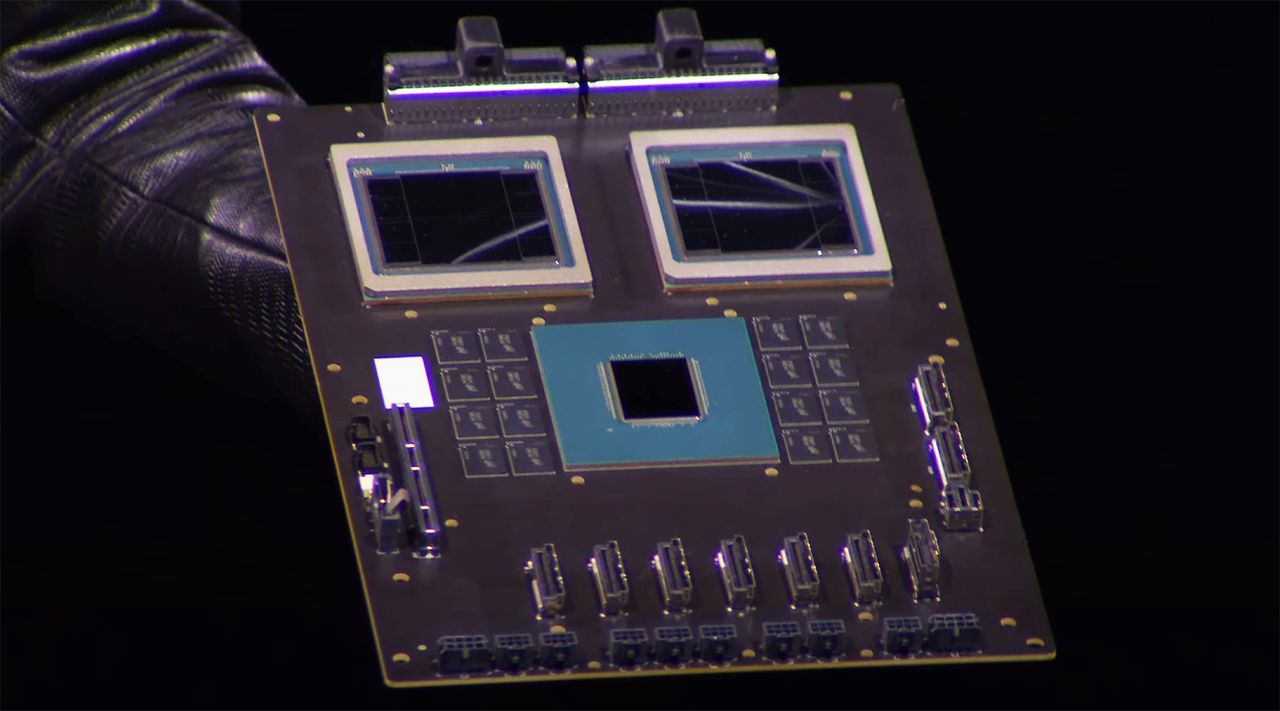
AMD says Nvidia’s CUDA software is becoming less important to major AI customers, as they increasingly use higher-level programming tools that reduce direct reliance on it. If that assessment proves correct, it could weaken a key advantage behind Nvidia’s dominance in AI hardware and give rivals such as AMD a better chance to compete.
At an AMD Advancing AI briefing, data-centre GPU chief Andrew Dieckman called CUDA a “non-event” in most customer discussions, arguing that AI serving frameworks now handle lower-level software tasks. He also said AI agents can help customers optimise software for AMD platforms, but the article notes AMD has a commercial interest in this view and that companies may still favour Nvidia’s established infrastructure for costly data-centre investments.
In short
- AMD argues CUDA no longer locks major AI customers into Nvidia hardware.
- Higher-level frameworks may make switching to AMD easier.
- Nvidia’s established software ecosystem remains a significant advantage.
Steelman: both sides, in good faith
The strongest fair case each way — we don't pick a winner.
The case for
AMD's position that CUDA dependency is diminishing has merit because software ecosystems naturally evolve toward higher-level abstractions that reduce hardware lock-in. Major AI frameworks and serving tools increasingly handle low-level optimisations, allowing companies to run workloads across different hardware platforms without deep CUDA rewriting. If this trend continues, Nvidia's software advantage would narrow considerably.
The case against
Despite abstraction layers, CUDA's dominance likely persists because companies deploying expensive data-centre infrastructure tend to optimise heavily on proven platforms, and Nvidia's ecosystem encompasses far more than software alone—it includes drivers, specialised libraries, community expertise, and established tools that create substantial switching costs. AMD's downplaying of CUDA's importance is transparently self-interested, and historical examples show that dominant platforms maintain advantages even as theoretical alternatives emerge.
Explained simply
CUDA is Nvidia's software system that companies use to programme its computer chips for artificial intelligence tasks. It has been difficult and expensive for customers to switch from Nvidia to other suppliers because they have written vast amounts of code specifically for CUDA.
Newer programming tools now handle many of the tasks that previously required direct work with CUDA, meaning companies no longer need to rely as heavily on Nvidia's proprietary system. This could make it easier for customers to consider chips from rival makers such as AMD.
If CUDA becomes truly optional for customers, Nvidia loses one of its key competitive advantages. That said, Nvidia's head start in AI hardware and its established reputation may still make its products attractive to companies regardless of software considerations.