Andy Burnham promised to end rough sleeping – but these numbers show he failed in Manchester
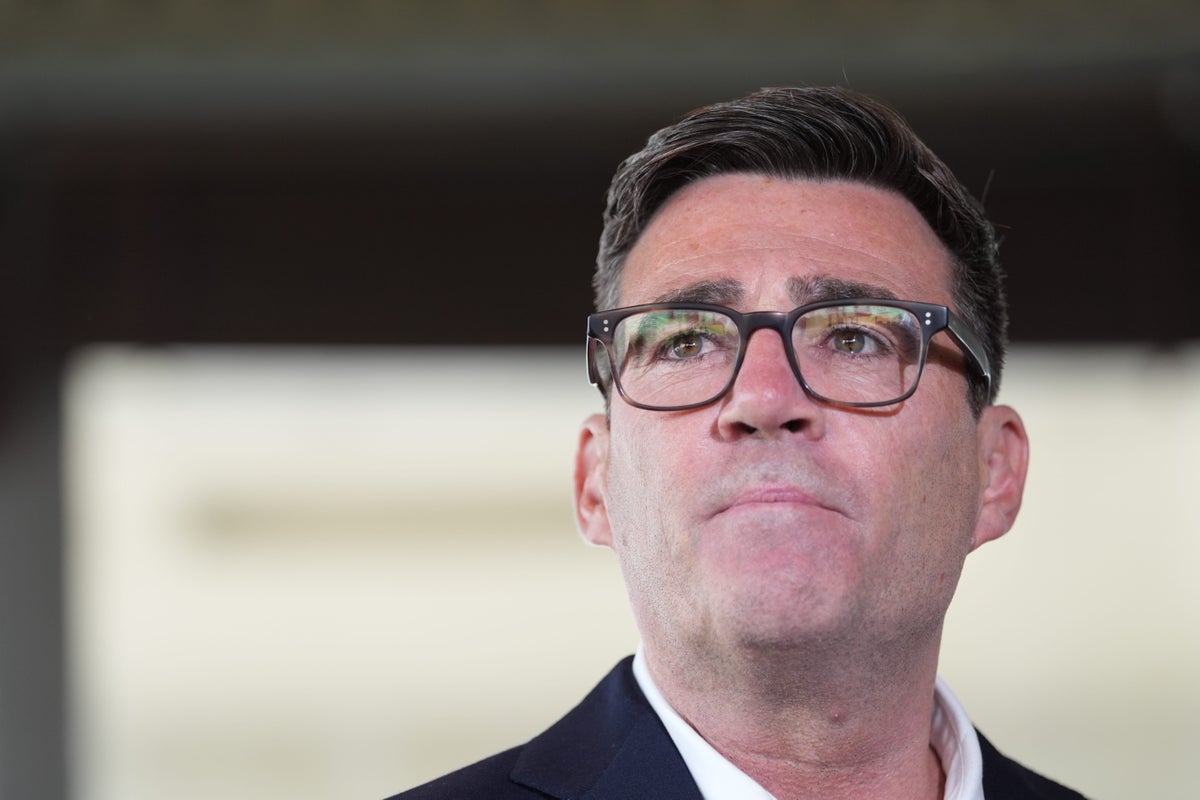
Andy Burnham has pledged that his government would end rough sleeping nationwide, backed by £340m for homes and intensive support, but critics have pointed to his record as Greater Manchester mayor. Rough sleeping there is lower than when he took office in 2017, yet it has risen sharply since 2021, raising questions about whether a national promise can be delivered.
Government figures recorded 197 people sleeping rough in Greater Manchester on a night in autumn 2025, down 26 per cent from 268 in 2017 but more than double the 90 recorded in 2021. The new funding is intended to provide 1,200 homes and support at least 3,000 long-term rough sleepers over five years, alongside £3.6bn previously announced under the National Plan to End Homelessness. A local homelessness charity said Burnham’s efforts had reduced numbers initially, but that Covid-19, the cost-of-living crisis and limited mayoral powers had affected progress.
In short
- Greater Manchester rough sleeping remains below its 2017 level.
- Numbers have more than doubled since 2021.
- Burnham’s national pledge faces delivery questions.
Steelman: both sides, in good faith
The strongest fair case each way — we don't pick a winner.
The case for
Burnham's record shows he successfully reduced rough sleeping from 268 to 197 people – a substantial 26% decline – demonstrating he can deliver results on this issue. The sharp rise since 2021 occurred during unprecedented crises entirely beyond mayoral control: the Covid-19 pandemic's economic devastation and the cost-of-living crisis that pushed vulnerable people onto the streets. With national government powers, a £3.6bn funding commitment, and specific provision for 1,200 homes and support for 3,000 rough sleepers, he now possesses far greater resources and authority than he wielded as mayor. The local charity's acknowledgement of his initial success whilst attributing recent decline to systemic factors, rather than mayoral failure, suggests his new comprehensive strategy has a realistic chance of success.
The case against
Whilst Burnham achieved initial success in reducing rough sleeping from 2017-2021, the subsequent sharp rise from 90 to 197 people represents a concerning reversal that occurred whilst he held office. This trajectory raises questions about whether his gains were sustainable or dependent on favourable circumstances, and whether he can maintain progress when economic conditions deteriorate. Although external factors like Covid-19 and the cost-of-living crisis undoubtedly affected outcomes, critics might question whether sufficient contingency planning was in place and whether these represent structural limitations he may encounter nationally. The failure to sustain momentum on a smaller scale suggests there is genuine risk his national strategy, however well-funded, may face similar difficulties when confronted with the complexity and volatility of homelessness across England.
Explained simply
Andy Burnham served as mayor of Greater Manchester from 2017 until recently, overseeing the region's approach to homelessness during that period. Rough sleeping refers to people sleeping outdoors rather than in accommodation, a persistent social issue that political leaders across the UK have committed to addressing.
The rough sleeping figures in Greater Manchester during his mayoralty showed mixed results. Numbers fell significantly from 268 people in 2017 to 90 in 2021, but then rose substantially to 197 by autumn 2025. This pattern has been attributed to various factors including the pandemic, the cost-of-living crisis, and the scope of local government powers in addressing homelessness.
The significance of this history lies in what it reveals about the challenges involved in reducing rough sleeping. These figures provide context for understanding the practical difficulties in achieving sustained progress on homelessness across a region or nation.