Culture news and discussion on TalkFuse.
Instagram is now banning users who make creepy content with Meta glasses
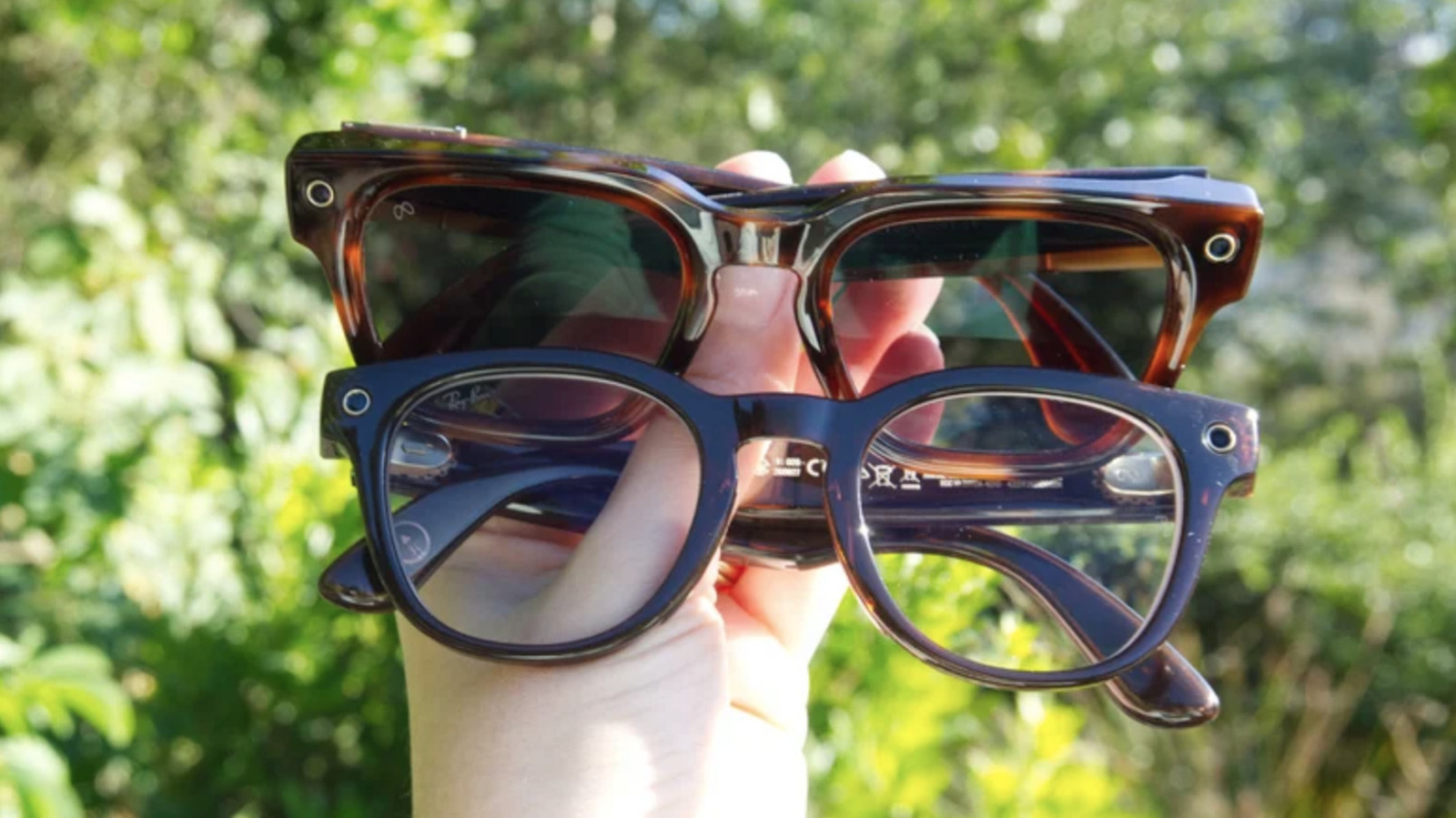
Instagram’s owner Meta has begun banning users who secretly record people with its smart glasses and post harassing content. The move addresses growing concern that the glasses are being used for pranks, unwanted filming of women and other non-consensual videos, which risks normalising harassment and damaging trust in the product.
Instagram head Adam Mosseri said content exploiting or harassing people will be removed, while Meta confirmed that two prominent accounts filming women without consent were banned for harassment content recorded with its glasses. Meta has also introduced software that disables the camera if its recording-indicator LED has been tampered with, though it is unclear how many videos or accounts have been affected and the small light can still be easy to miss outdoors.
In short
- Meta is banning Instagram users posting harassing secret recordings.
- Two high-profile accounts were reportedly deactivated.
- Camera software now targets tampered recording lights.
Steelman: both sides, in good faith
The strongest fair case each way — we don't pick a winner.
The case for
Meta's decision to ban users creating non-consensual recording content is an appropriate and necessary use of platform authority to protect people from documented harassment. Removing material that violates privacy and causes demonstrable harm is justified, and the technical safeguards represent concrete steps toward preventing such abuse.
The case against
Whilst non-consensual recording is unquestionably wrong, critics contend that corporate bans address only the surface problem. The glasses' hackable LED indicator and limited detection capabilities suggest technical safeguards are insufficient, and account removals alone are unlikely to deter motivated offenders. Effective solutions may instead require government regulation, mandatory hardware modifications, and law enforcement involvement.
Explained simply
Meta, the company behind Facebook and Instagram, produces smart glasses with built-in cameras. The glasses allow users to record video and take photographs from their viewpoint without needing to hold a separate device.
Some users have used the camera feature to secretly film people without permission. There have been cases of women being filmed in public without their consent and the recordings being posted online. This has raised concerns about privacy and the potential for the technology to be misused for harassment.
The situation highlights a tension between technological innovation and personal privacy. Non-consensual filming raises questions about what is acceptable behaviour in shared spaces and how technology companies should respond to misuse. As wearable cameras become more common, these questions will increasingly shape how the products are developed, regulated and accepted by the public.