Entertainment news and discussion on TalkFuse.
“That’s when I finally realised”: Did this 1969 John Wayne movie kill the western?
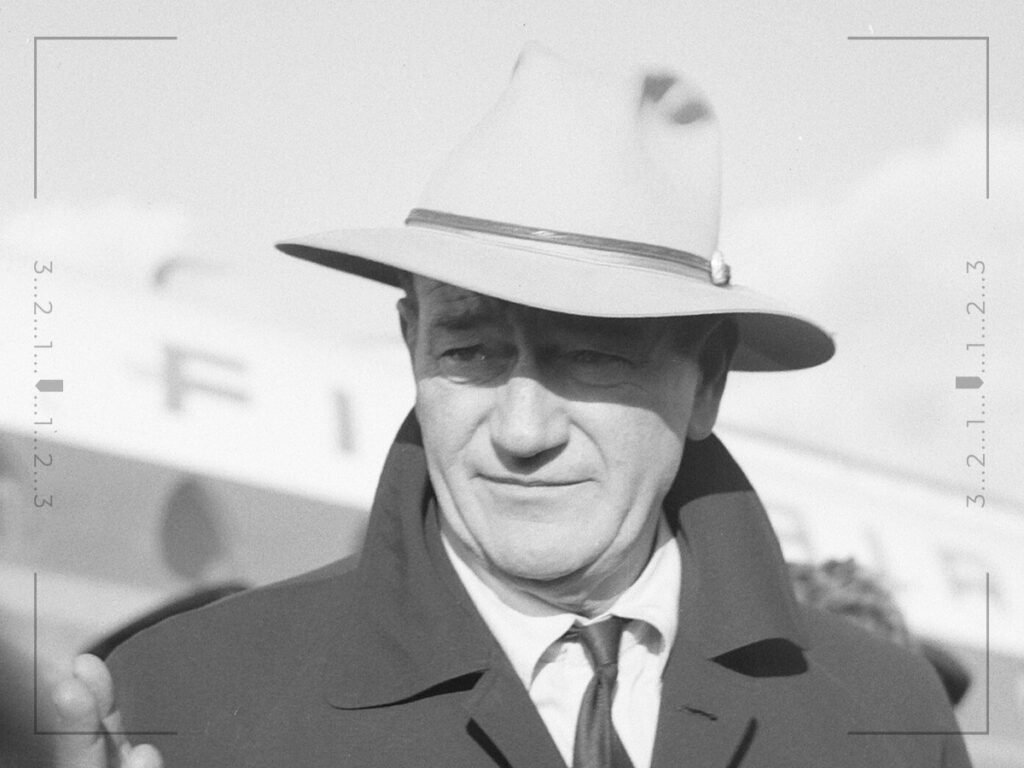
The article considers whether *The Undefeated*, John Wayne’s 1969 western with Rock Hudson, symbolised rather than caused the genre’s decline. It argues that the film arrived when traditional Hollywood westerns were losing their cultural force, as audiences increasingly favoured grittier, more revisionist takes on the American frontier.
Wayne plays a former Union colonel who joins forces with Hudson’s defeated Confederate officer after the Civil War, in a conventional story of rivalry, reconciliation and cattle-driving. Released in the same year as Sam Peckinpah’s far more violent *The Wild Bunch*, it reflected an older style of western whose values and formulae were beginning to seem outdated; the article suggests this contrast exposed how much the genre had changed.
In short
- *The Undefeated* represented an ageing western formula.
- 1969 audiences were turning towards darker westerns.
- It did not kill the genre, but marked its transition.
Steelman: both sides, in good faith
The strongest fair case each way — we don't pick a winner.
The case for
The conventional approach of films like "The Undefeated" – with their clear moral heroes, simple reconciliation narratives, and uncritical celebration of American values – represented precisely what audiences had begun to reject. By persisting with this tired formula rather than evolving with viewer expectations, the studios failed to keep the western culturally vital. The stark contrast with "The Wild Bunch" showed that audiences craved morally complex characters, visceral realism, and critical examination of frontier mythology; had the industry pivoted toward this grittier approach more systematically, the genre might have survived as a living form rather than retreating into pastiche and nostalgia.
The case against
"The Undefeated" arrived at the tail end of a cultural moment when American audiences were fundamentally reassessing the values the traditional western had long embodied – Manifest Destiny, unquestioned exceptionalism, heroic nationalism. This generational and ideological shift was already underway by 1969; the film reflected market conditions it could not control rather than causing them. The simultaneous success of revisionist westerns demonstrates that the genre could evolve, but it did so because society was changing, not because individual films dictated that change. Attributing the western's decline to this one film mistakes symptom for cause.
Explained simply
The western was once a cornerstone of American cinema, with countless films exploring frontier life, heroism and conflict. These films dominated the 1950s and early 1960s, shaping how audiences worldwide understood the American West.
By the late 1960s, the traditional western was losing its cultural grip. John Wayne's *The Undefeated*, released in 1969, followed conventional formulas: a former Union colonel and a defeated Confederate officer team up after the Civil War to drive cattle together. The film presented a straightforward world of heroes and moral simplicity.
That same year saw Sam Peckinpah's *The Wild Bunch*, which took a starkly different approach. It was far more violent and morally ambiguous, questioning rather than celebrating the frontier myth. This contrast exposed how rapidly filmmaking and audience tastes were changing, as people increasingly sought more complex, critical examinations of American history rather than the traditional western's familiar stories.