Microsoft responds to LG monitors installing McAfee ads on Windows
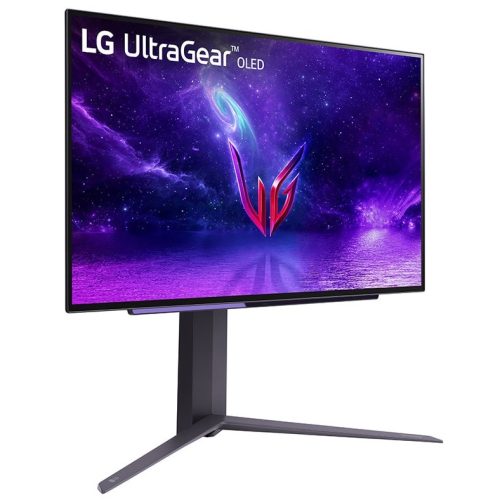
Microsoft says LG has agreed to disable McAfee pop-up adverts delivered by its LG Monitor App Installer, after users reported the software being installed through Windows Update alongside monitor drivers. The response addresses the immediate advertising issue, but critics say it does not resolve the wider concern that a monitor-related app can install without clear consent and promote software on customers’ PCs.
Gamers Nexus said it reproduced the behaviour on several Windows 11 systems using an LG UltraGear 3GX900A-B monitor, with McAfee adverts appearing on every boot in most tests; the monitor initially cost $1,200 before dropping to $600. Reports suggest the app has appeared on some systems for months or years, and critics raised concerns about its broad stated permissions, including access to system resources and potentially sensitive user data.
In short
- LG will disable McAfee pop-ups from its monitor installer.
- The installer reportedly arrives through Windows Update without clear consent.
- Concerns remain over ads, permissions and peripheral software controls.
Steelman: both sides, in good faith
The strongest fair case each way — we don't pick a winner.
The case for
Software bundling helps offset the substantial development and support costs associated with monitor driver distribution and device management tools. The practice is standard across the hardware industry, and the app serves legitimate purposes beyond advertising. Companies responding to consumer feedback by removing the McAfee ads demonstrates responsiveness, and users retain the ability to disable unwanted software if they choose to investigate their system settings.
The case against
Embedding advertisements into automatic system updates exploits the implicit trust users place in Windows Update for critical security patches and essential drivers. Whilst technically removable, most users lack the knowledge or awareness that such software exists on their machines, making genuine informed consent impossible. The broad system permissions requested create unnecessary privacy and security risks, and the months or years of undisclosed advertising suggests a troubling approach that prioritises monetisation over transparent user experience.
Explained simply
LG manufactures computer monitors that require software to function properly on Windows. The company bundles this software with drivers that update the monitor's firmware, which users typically install to ensure their hardware works correctly. Recently, users discovered that this LG software was delivering pop-up adverts for McAfee antivirus alongside the monitor drivers.
The adverts appeared because LG's software was reaching Windows systems through Microsoft's automated Windows Update service, which many users assume only delivers essential security patches and driver improvements. This meant users could receive the adverts without actively choosing to download the LG app. Reports suggest the software has been present on some systems for months or even years without being noticed.
The concern extends beyond unwanted advertising. Critics worry that the LG Monitor App Installer requests broad permissions to access system resources and potentially sensitive user data, raising questions about why monitor software needs such extensive access. This has sparked debate about whether software bundled with hardware drivers should require more explicit user consent before installation.
Business Markets Software Technology