Culture news and discussion on TalkFuse.
This 6-Part Crime Drama Masterpiece Quietly Outperformed AMC’s ‘Breaking Bad’
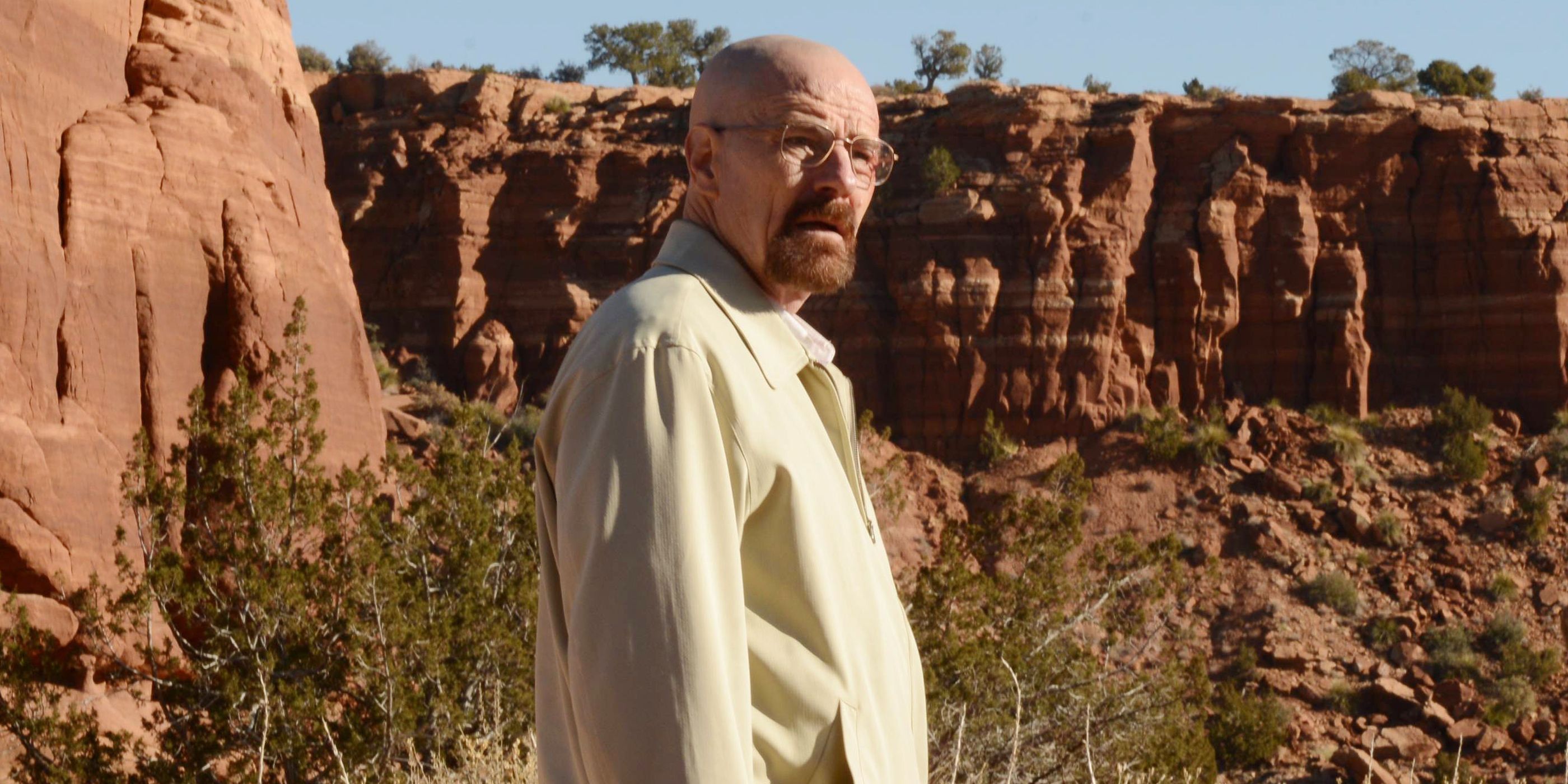
Better Call Saul is presented as having marginally surpassed Breaking Bad in critics’ ratings, despite never matching its predecessor’s cultural status. The article argues that the prequel’s achievement lies in turning Saul Goodman from comic relief into Jimmy McGill, the centre of a slow-burning and tragic character study.
Rather than immediately delivering another violent cartel drama, the series initially focused on legal cases, family conflict and detailed character development. Jimmy’s troubled relationship with his brother Chuck, his romance with Kim Wexler and his gradual moral compromises give his transformation into Saul emotional weight, while Mike Ehrmantraut’s presence links the story to Breaking Bad’s criminal world.
In short
- Better Call Saul narrowly beat Breaking Bad’s critics’ score.
- Its slower pace enabled deeper character development.
- Jimmy McGill’s downfall is portrayed as tragic rather than shocking.
Steelman: both sides, in good faith
The strongest fair case each way — we don't pick a winner.
The case for
The article's central argument is defensible: when comparing artistic merit through critical assessment, Better Call Saul demonstrates equal or slightly superior craftsmanship to Breaking Bad. By avoiding the formulaic approach of its predecessor and instead constructing a tragic character study around Jimmy McGill's moral descent, the series achieves greater thematic depth and narrative sophistication. The show's willingness to slow down, explore legal procedurals, and develop its emotional foundations through relationships like Kim and Chuck's dynamic arguably represents a more mature and artistically ambitious approach to serialised television.
The case against
Critics might reasonably argue that raw critical scores tell an incomplete story about television excellence. Breaking Bad fundamentally changed the medium and established the template for prestige television that Better Call Saul itself benefited from, giving it a unique place in television history that marginal rating differences cannot diminish. The broader cultural impact, industry influence, and genuine popular phenomenon status of Breaking Bad—including its global reach and lasting cultural resonance—constitute legitimate measures of artistic achievement that transcend critical aggregates. Whilst Better Call Saul may be sophisticated, Breaking Bad's ability to combine artistic integrity with mainstream cultural dominance represents a rarer and arguably more significant accomplishment.
Explained simply
Breaking Bad was an American television drama that ran from 2008 to 2013 and became a major cultural event. The series followed a chemistry teacher's descent into the illegal drug trade and was widely praised for its storytelling and complex central character.
Better Call Saul is a prequel series set in the same fictional universe that follows Jimmy McGill, a struggling lawyer who eventually becomes Saul Goodman, a criminal attorney seen in Breaking Bad. Rather than centring on crime and violence, the series instead explores Jimmy's relationships with his brother, his romantic partner Kim Wexler and others, charting his gradual moral decline through personal and professional struggles.
The critical comparison between the two shows is significant because prequels rarely achieve independent success, often overshadowed by the original work. Better Call Saul took a markedly different storytelling approach from Breaking Bad, focusing on character development and legal drama rather than the crime-centred narrative of its predecessor.