Elon Musk says he got ‘carried away’ with Trump – but still holds on to contentious political views
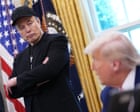
Elon Musk has said he became too involved in politics during his alliance with Donald Trump and his leadership of the so-called Department of Government Efficiency (Doge), saying he should instead have focused on his companies. The admission matters because Musk was a major financial supporter of Trump’s 2024 campaign and played a prominent role in controversial federal spending cuts and job losses, while still presenting himself as politically influential.
In an Economist interview, Musk said he gave Trump $200m in backing and that Doge oversaw $150bn in budget reductions and tens of thousands of federal job losses. He also made ambitious predictions that AI could exceed total human intelligence within five years, make work optional and render money meaningless within a decade; separately, he predicted the UK could face civil war within 20 years, reflecting his continued focus on immigration and race.
In short
- Musk regrets prioritising politics over his companies.
- He backed Trump and led controversial government cuts.
- His AI and UK predictions remain highly contentious.
Steelman: both sides, in good faith
The strongest fair case each way — we don't pick a winner.
The case for
Supporters of Musk's political involvement argue that wealthy individuals have the same constitutional rights as any citizen to support candidates and advocate for policy change. His substantial donation and role in DOGE reflect genuine concerns about government efficiency that deserve serious engagement regardless of source, and his acknowledgment that he became too involved demonstrates self-reflection and sound judgment. His expertise in business and technology could legitimately inform policy discussions, and his participation through legal political channels represents normal democratic engagement.
The case against
Critics contend that Musk's extreme wealth and resulting political influence create a dangerous concentration of power fundamentally at odds with democratic principles of equal voice and accountability. His unprecedented combination of direct financial backing, government access through DOGE, and influence over tens of thousands of job losses whilst remaining largely unaccountable to those affected raises serious questions about whether democratic institutions can function properly when wealth confers such disproportionate power. The concern is whether such scale of influence from a single individual represents a troubling transformation toward plutocracy.
Explained simply
Elon Musk is one of the world's richest people, running companies including Tesla and SpaceX. In recent years he has become increasingly politically active and vocal about policy matters.
Musk was a major financial supporter of Donald Trump's 2024 presidential campaign and now leads the Department of Government Efficiency, an initiative to review and cut federal spending. Under his direction, the department has overseen billions of pounds in budget reductions and significant job losses in federal agencies.
Musk's political involvement gives a private sector billionaire direct influence over government budgets and policy. His actions through the department he leads have affected thousands of federal workers and the programmes they run.
Americas Art Business Culture Government Markets Politics Technology World