World news and discussion on TalkFuse.
Trump DOJ expands religious liberty protections after major Supreme Court rulings
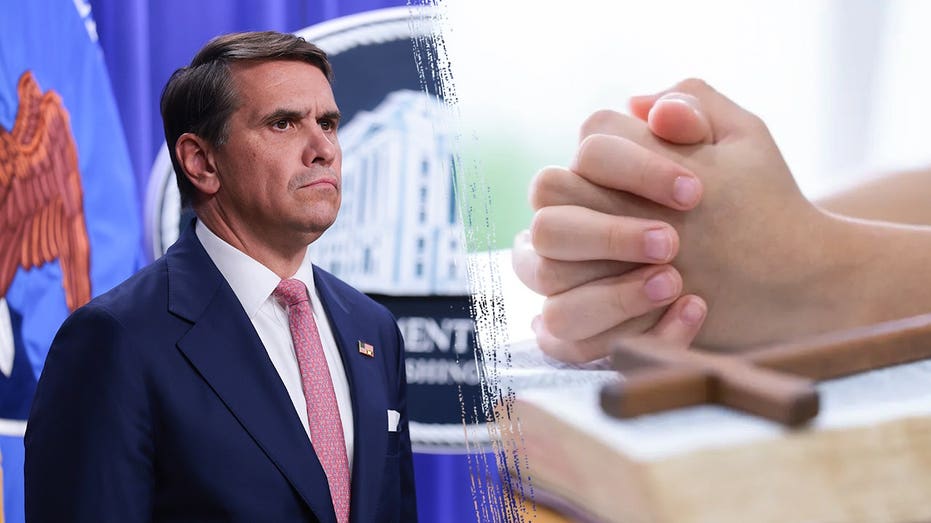
The Trump administration has instructed federal agencies to give greater weight to religious liberty when drafting regulations, enforcing laws and accommodating employees’ religious beliefs. The move is presented as a significant policy update following major Supreme Court decisions, and could affect how federal bodies balance religious objections against other workplace and regulatory requirements.
The Justice Department’s direction reportedly emphasises employers’ duties under Title VII to reasonably accommodate religious beliefs. Fox News linked the development to a Justice Department inquiry involving Major League Baseball, after players were warned over displaying Bible verses on hats, although the article did not provide the full text or scope of the new guidance.
In short
- Federal agencies are being told to strengthen religious-liberty considerations.
- The policy follows recent Supreme Court rulings.
- Workplace religious accommodation is a central focus.
Steelman: both sides, in good faith
The strongest fair case each way — we don't pick a winner.
The case for
Proponents argue that religious freedom is a foundational constitutional right that has been inadequately protected in practice, with federal agencies sometimes applying a lower bar for religious accommodation than the law requires. They contend that recent Supreme Court rulings clarify that religious believers should not be compelled to act against their conscience, and that federal guidance bringing agencies into line with these decisions simply ensures consistent, fair treatment of religious expression in the workplace and regulatory sphere.
The case against
Critics worry that expansive religious liberty guidance, without clear limitations, could permit discrimination against vulnerable populations—particularly LGBTQ+ individuals and women—and could exempt religious actors from civil rights laws and public accommodation requirements. Whilst Title VII requires reasonable accommodation, they argue the relevant legal standard has always balanced religious liberty against employer and public interests in preventing discrimination; without robust safeguards, religious liberty claims risk undermining civil rights protections.
Explained simply
The Trump administration's Justice Department has issued guidance telling federal agencies to prioritise religious liberty when they write new rules, enforce laws, and handle employee requests for religious accommodation. This is a significant shift in how government agencies balance religious objections against other requirements in the workplace and regulatory framework.
The guidance emphasises what employers must do under federal employment law that requires reasonable accommodation of employees' religious beliefs. This development comes after a series of major Supreme Court decisions that strengthened religious liberty protections in recent years.
The change could affect many areas of federal policy and practice. Religious objections that were previously considered less important may now carry more weight when agencies and employers make decisions, potentially reshaping how various workplace and regulatory disputes are resolved.