Entertainment news and discussion on TalkFuse.
HBO Is Officially Fixing One of ‘Game of Thrones’ Biggest Problems
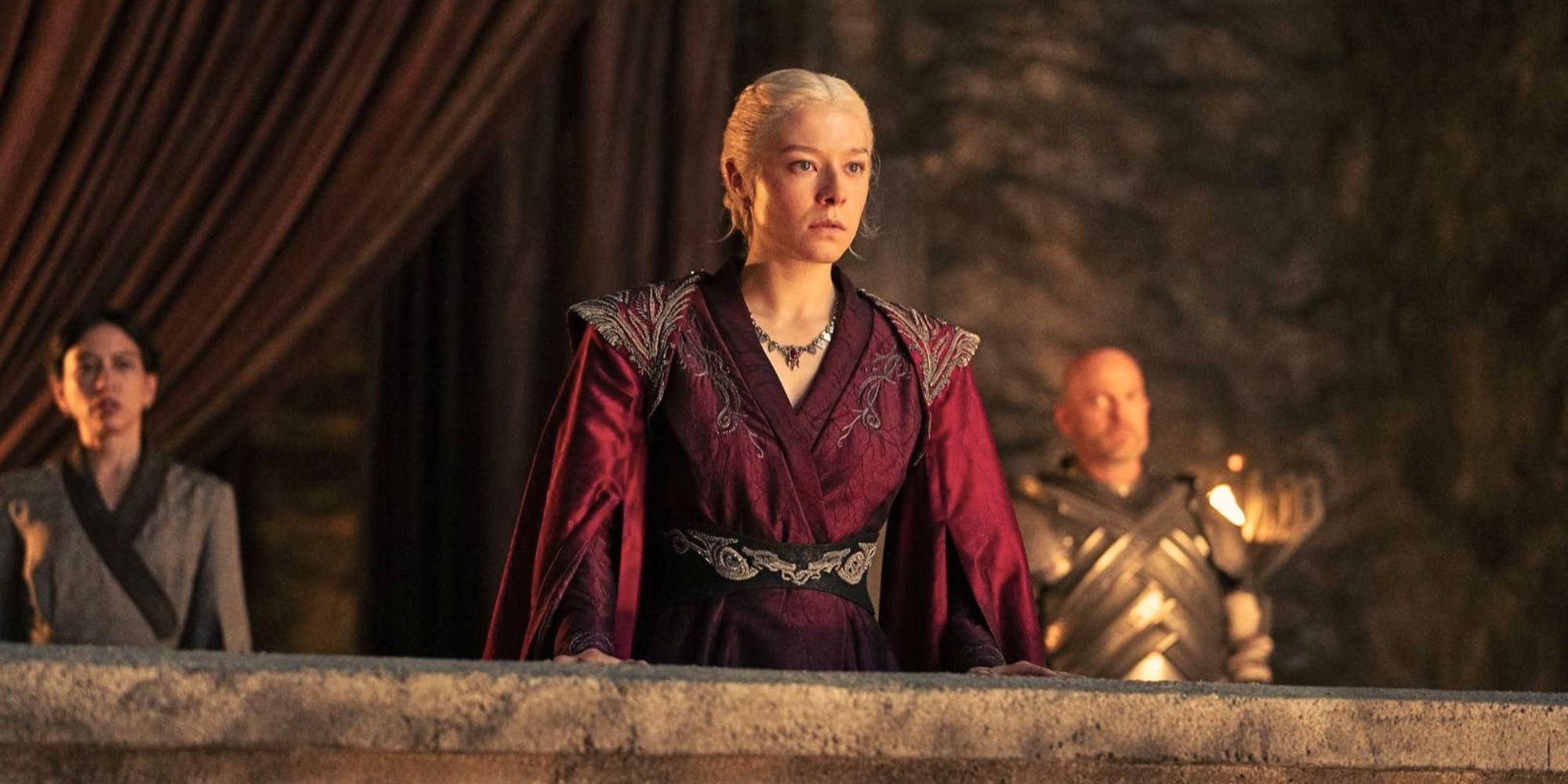
House of the Dragon is placing greater emphasis on High Valyrian, addressing a criticism that Game of Thrones did not fully explore the Targaryens’ ancestral language. In Season 3, Episode 5, Rhaenyra and Daemon use it privately while discussing threats to her rule, allowing them to speak beyond the understanding of those nearby and reinforcing their shared heritage.
The scene is notable for presenting High Valyrian as a natural, expressive language rather than a ceremonial flourish: the pair move between it and the common tongue, conveying disagreement, sarcasm and frustration. The article argues that this makes the language a stronger symbol of Targaryen identity and exceptionalism, while House of the Dragon remains the only A Song of Ice and Fire television series positioned to depict such exchanges.
In short
- House of the Dragon gives High Valyrian a more meaningful dramatic role.
- Rhaenyra and Daemon use it to discuss threats privately.
- The language reinforces Targaryen identity and status.
Steelman: both sides, in good faith
The strongest fair case each way — we don't pick a winner.
The case for
Supporters of House of the Dragon's greater use of High Valyrian argue it strengthens the show's worldbuilding by presenting the language as an organic, living part of Targaryen identity rather than mere ceremonial flourish. The approach enriches character moments—allowing private conversations that build dramatic tension whilst reinforcing the family's distinctiveness—and represents a thoughtful response to viewer criticism that Game of Thrones underexplored the Targaryens' ancestral heritage. By making the fictional world feel more authentic and immersive, the expanded language use deepens engagement for viewers invested in the show's mythology.
The case against
Critics contend that increased use of untranslated dialogue creates accessibility barriers for some viewers, who must concentrate on subtitles at emotionally significant moments. They argue that screen time devoted to linguistic elements could be better used for plot development and character work that all audiences can fully engage with, suggesting that storytelling efficiency sometimes requires prioritising narrative clarity over cultural detail. Moreover, some question whether the original criticism was justified, contending that Game of Thrones' choice to favour the common tongue may have been narratively sound rather than an oversight requiring correction.
Explained simply
Game of Thrones was a hugely popular television series that ran from 2011 to 2019, based on a fantasy novel series about power struggles in a fictional world. The show was widely acclaimed but faced criticism for how it handled various aspects of its source material. House of the Dragon is a prequel series that began in 2022, exploring the history of the Targaryen dynasty that ruled centuries before the events of Game of Thrones.
High Valyrian is a fictional language created for the series, used by the Targaryens and other powerful families in their ancestral homeland. In Game of Thrones, this language appeared only rarely and in formal moments, leading viewers to feel that an important part of Targaryen identity was overlooked. House of the Dragon now uses it more naturally in everyday conversations, showing characters switching between their native language and common speech as real people might.
This matters because language expresses character and identity in ways that dialogue alone cannot. By allowing Targaryen characters to speak their ancestral language when discussing private matters, the series deepens what it means to belong to this family and portrays them as a distinct culture with their own way of thinking. It directly addresses something the original series was criticised for underexploring.