Culture news and discussion on TalkFuse.
Trump DOJ withdraws subpoenas targeting New York Times journalists amid leak probe
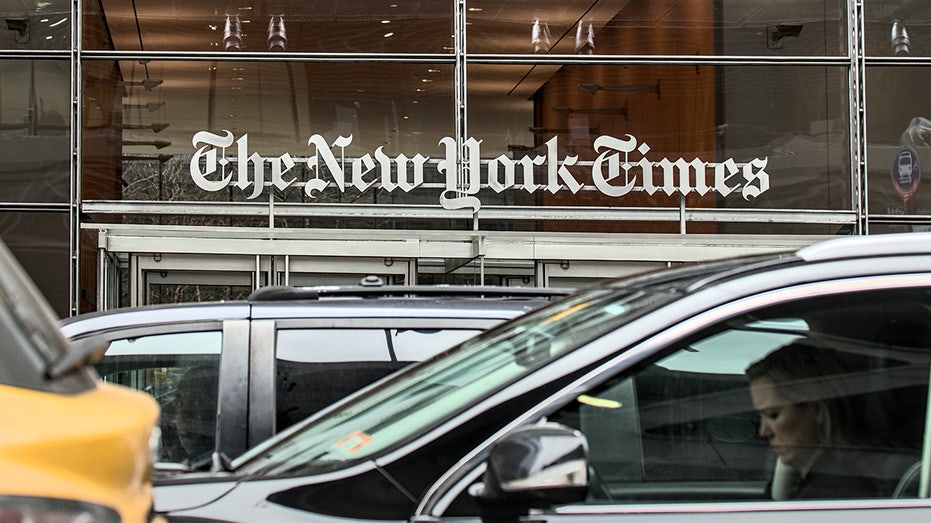
The US Justice Department has withdrawn subpoenas aimed at New York Times journalists as part of a leak investigation. The move removes an immediate legal threat to reporters’ communications and is significant because it concerns press freedom and the government’s ability to compel journalists to reveal confidential sources.
The subpoenas were issued during an investigation into the alleged disclosure of sensitive information, though the available article text does not specify the material involved or the journalists affected. The decision follows longstanding debate over when leak inquiries should be allowed to seek reporters’ records, balancing national-security concerns against protections for newsgathering.
In short
- Justice Department withdraws subpoenas targeting New York Times journalists.
- The action arose from a leak investigation.
- The case highlights tensions between press freedom and national security.
Steelman: both sides, in good faith
The strongest fair case each way — we don't pick a winner.
The case for
This decision protects vital press freedom and journalists' ability to investigate government activities and maintain confidential sources, which is essential for democratic accountability. Subpoenas targeting reporters risk chilling legitimate investigative journalism by making sources fear exposure, thereby undermining the press's crucial watchdog function.
The case against
Leak investigations serve to protect genuinely sensitive national security information, and journalists ought not to enjoy absolute immunity from legal process when serious breaches of classified material are at issue. Allowing reporters blanket protection from subpoenas could encourage unauthorised disclosures that compromise intelligence operations and endanger national security.
Explained simply
When government officials are suspected of leaking classified or sensitive information to the press, federal investigators often try to trace the source. These leak investigations have long created friction between law enforcement and news organisations, as authorities sometimes seek to compel journalists to reveal their sources.
Reporters typically keep their sources confidential to encourage people to speak about wrongdoing or matters in the public interest without fear of retaliation or prosecution. Without this protection, sources may refuse to talk to journalists, making it harder for news organisations to investigate and report on what the government is doing.
Governments argue that leak investigations are necessary to protect national security and prevent unauthorised disclosure of sensitive material. Civil liberties advocates and news organisations contend that allowing investigators to target journalists too easily undermines press freedom and journalism's role as a check on government power.
Art Culture Government Politics World