Technology news and discussion on TalkFuse.
Tesla stock suffers double-digit drop on carmaker’s worst day in years
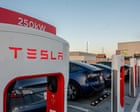
Tesla shares fell about 13.5% on Thursday, marking one of the company’s largest single-day losses and reflecting investor unease over weak profits and extensive spending on artificial intelligence, robotics and autonomous driving. The decline adds to Tesla’s poor performance this year and highlights scepticism about whether Elon Musk’s future-focused projects can deliver returns soon enough.
Second-quarter earnings came in at 31 cents per share, below analysts’ expectations of 51 cents, although revenue exceeded forecasts. Tesla spent $5.8bn during the quarter, producing negative free cashflow of $1.1bn, while its Robotaxi service remains limited and its Optimus robot is not yet sold to consumers; wider technology-stock losses also erased $767bn from the “Magnificent Seven” companies’ market value.
In short
- Tesla shares fell 13.5% after disappointing quarterly profits.
- Heavy AI and robotics spending unsettled investors.
- Tesla has lost about 27% of its value this year.
Steelman: both sides, in good faith
The strongest fair case each way — we don't pick a winner.
The case for
Tesla's substantial investment in artificial intelligence, robotics and autonomous driving represents a rational long-term strategy in a rapidly evolving technology landscape. The company's current losses must be judged against transformative opportunities worth potentially trillions of pounds; successful deployment of autonomous vehicles and humanoid robots could fundamentally reshape Tesla's profitability and competitive position. Elon Musk's track record of delivering on ambitious technological visions—from electric vehicle adoption to SpaceX's reusable rockets—suggests investors should have confidence in his vision, and pulling back on these investments now could allow competitors to establish dominance in genuinely game-changing technologies.
The case against
Tesla's financial deterioration warrants serious concern about the company's capital allocation and execution risk. Earnings fell dramatically below analyst expectations whilst the company burned $1.1bn in free cashflow during a single quarter, suggesting current spending levels are unsustainable without substantial revenue growth. The promised breakthroughs—limited Robotaxi deployment and Optimus robots not yet available to consumers—remain unproven at commercial scale, leaving investors funding speculative projects without evidence of near-term returns. Prioritising ambitious future technologies over shareholder returns or even baseline profitability is increasingly difficult to justify, particularly as other automotive and technology companies manage to invest in similar areas whilst maintaining stronger financial discipline.
Explained simply
Tesla is the world's most valuable car company, and its shares are held by millions of investors through pension funds and investment portfolios. When Tesla's share price moves significantly, it affects the retirement savings and investments of many people worldwide.
Tesla recently reported quarterly earnings that fell far short of what financial analysts expected. The company is spending vast sums developing self-driving cars, robots and artificial intelligence technology that do not yet generate significant revenue.
Chief executive Elon Musk believes these future technologies will become hugely profitable and transform Tesla's business. Investors, however, are concerned that Tesla is investing too heavily in unproven projects whilst its current car-making business is not delivering the profits needed to justify this spending.
AI Art Business Companies Culture Markets Technology