World news and discussion on TalkFuse.
Rare night heron spotted at National Trust site
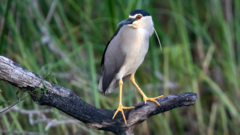
A black-crowned night heron, a bird rarely seen in the UK, has been recorded by wildlife cameras at the National Trust’s Holnicote Estate near Minehead, Somerset. The sighting is significant because it suggests newly restored freshwater habitats at the estate may be attracting scarce wetland species.
Conservationists have created wetlands at Holnicote, which also support water voles, otters, pine martens and white-tailed eagles. The UK has lost more than 97% of its wetlands through drainage and land-management changes; the National Trust says restoring and expanding them can help wildlife, improve water quality and reduce flood risk. Night herons are mainly nocturnal, and the first confirmed UK breeding record was in Somerset in 2017.
In short
- Rare night heron recorded at Somerset’s Holnicote Estate
- Restored wetlands may be attracting scarce wildlife
- UK has lost over 97% of its wetlands
Explained simply
Night herons are wading birds found on every continent except Antarctica, but they are so rarely seen in Britain that each sighting attracts attention from wildlife enthusiasts and conservationists. They are nocturnal, feeding primarily at dusk and during the night and spending daylight hours concealed in vegetation.
The UK has lost over 97% of its natural wetlands in recent centuries through drainage and agricultural changes. Conservation organisations, including the National Trust, are now restoring these habitats with the aim of creating space for rare species whilst also improving water quality and reducing flood risk.
When rare species such as night herons are recorded in newly restored wetland areas, it indicates the conservation work may be successfully recreating habitat these birds require. Night herons are extremely rare in the UK, breeding here only in exceptional circumstances.
Africa Asia Europe Science World