Video games news, releases, esports and culture — all the biggest gaming stories in one place.
We now have independent testing confirming Razer’s latest innovative mouse sensor tech does what it says it does
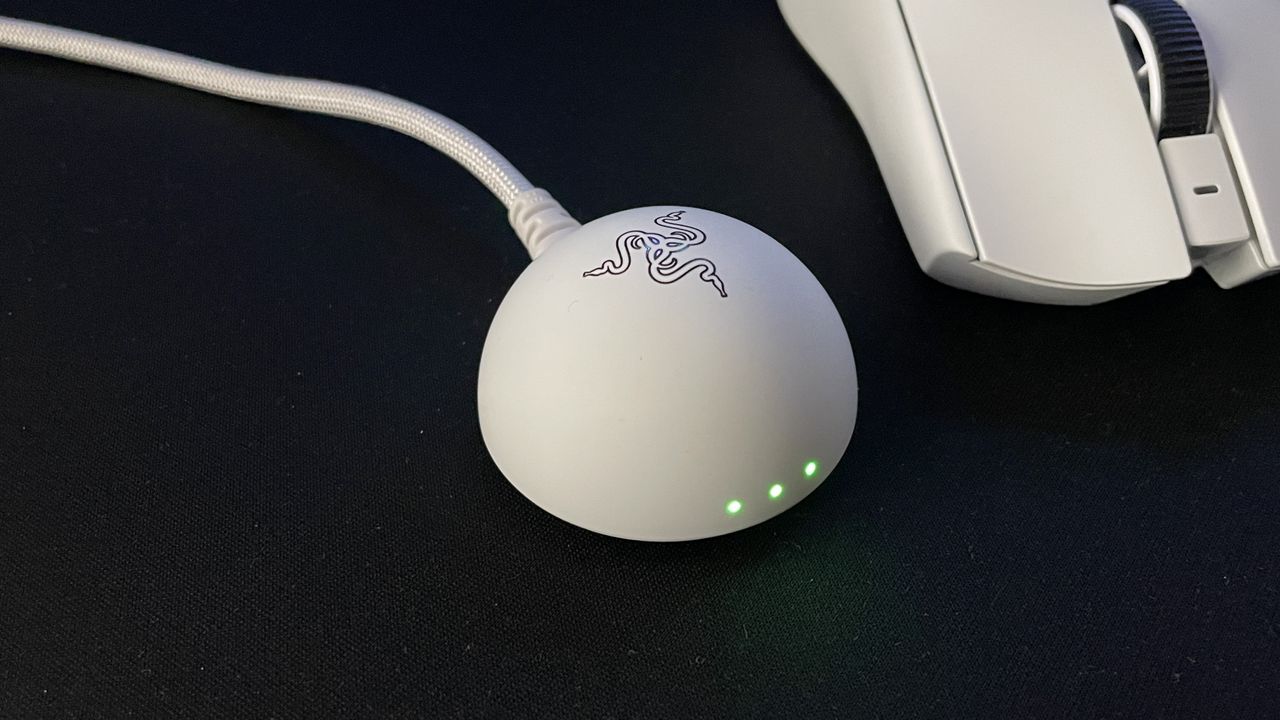
Independent oscilloscope testing indicates that Razer’s FrameSync technology works broadly as advertised in the Razer Viper V4 Pro gaming mouse. The feature synchronises the mouse sensor’s scans with the PC’s polling requests, aiming to reduce unnecessary activity and improve battery life without compromising responsiveness.
Tester and peripherals YouTuber piaknow compared the USB signal with the sensor’s light source and found their timing stayed fixed, supporting Razer’s claim of synchronisation. The Viper V4 Pro is rated for 180 hours at a 1 kHz polling rate; however, small 0.25 ms timing variations were observed periodically, and a separate DPI downshift issue remains unresolved.
In short
- Testing supports Razer’s FrameSync claims.
- Sensor scans align with USB polling.
- Minor timing and DPI concerns remain.
Explained simply
Razer makes gaming mice and keyboards. These precision devices are valued by competitive players and others for responsive, high-performance control.
Razer's latest gaming mouse, the Viper V4 Pro, has a feature called FrameSync that the company claims improves battery life without harming responsiveness. This appeals to gamers who prefer better battery life while maintaining performance.
Manufacturers regularly claim new features improve performance, but these claims need independent verification. Testing matters to consumers, especially for expensive devices, to confirm advertised features work as stated.