Video games news, releases, esports and culture — all the biggest gaming stories in one place.
A night of Walkabout Mini Golf with friends reminded me of one of the biggest flaws with the Meta Quest VR headsets
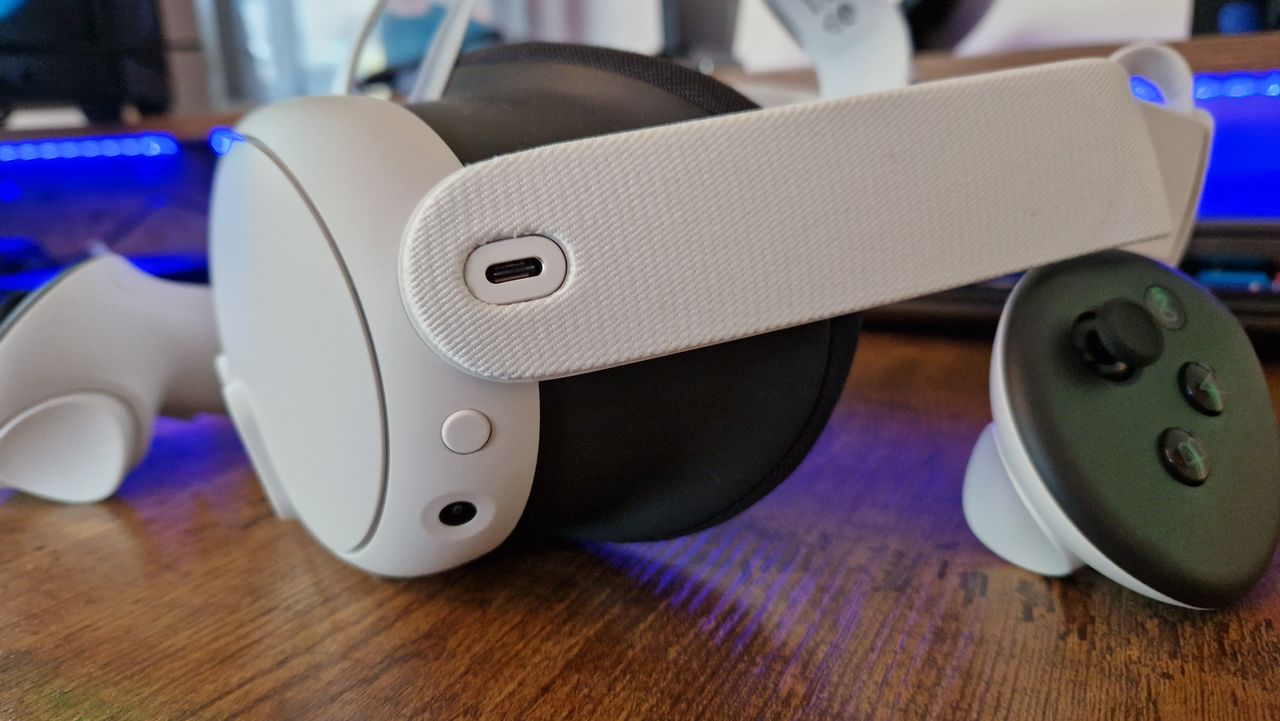
The article argues that Meta Quest headsets remain awkward to share socially because each person needs their own headset to join a multiplayer virtual-reality experience. A games night playing Walkabout Mini Golf highlighted the limitation: although the game offers an appealing way to spend time with friends remotely, VR’s hardware requirement leaves anyone without a headset excluded.
This matters because Meta has positioned Quest devices as accessible, mainstream VR products, but the cost and individual nature of the hardware still hinder spontaneous group use. The author presents Walkabout Mini Golf as a strong social VR game, while suggesting that broader adoption will depend on making multiplayer experiences easier to share beyond existing headset owners.
In short
- Meta Quest multiplayer still excludes friends without headsets.
- Walkabout Mini Golf demonstrates VR’s social potential.
- Hardware cost remains a barrier to casual group play.
Steelman: both sides, in good faith
The strongest fair case each way — we don't pick a winner.
The case for
Meta Quest headsets' requirement that each participant own individual hardware creates genuine social friction that undermines their mainstream appeal. Unlike traditional gaming where multiple people share one screen, VR's design keeps immersive experiences locked behind personal ownership barriers, making spontaneous group play difficult and excluding friends without headsets. This hardware gatekeeping contradicts Meta's positioning of Quest as accessible mainstream technology.
The case against
VR's technical architecture necessarily requires individual headsets because the immersive, first-person experience fundamentally depends on personal sensory engagement in ways screen-based gaming does not. Hardware costs continue falling as the technology matures, and comparing an emerging medium to established gaming conventions overlooks how quickly accessibility improves. Dismissing VR as flawed because it requires individual headsets misses that consumers specifically value VR for its unique immersive qualities, which by definition require personal equipment.
Explained simply
Virtual reality headsets create immersive digital worlds that users experience by wearing a display over their eyes. Meta Quest is a range of VR headsets made by Meta, the company behind Facebook, and has been marketed as an affordable way for ordinary people to try virtual reality.
Unlike traditional games or films that groups can watch together on a shared screen, most VR games require each person to wear their own headset. This means that if friends want to play together in virtual reality, they each need to buy their own expensive equipment.
Walkabout Mini Golf demonstrates that there are appealing VR games designed for social play with friends. However, the requirement for individual headsets creates a major obstacle to VR becoming mainstream—it prevents people from spontaneously gathering to enjoy these experiences together unless everyone already owns one.