Entertainment news and discussion on TalkFuse.
Mike Flanagan’s New Stephen King Adaptation Is Already Making ‘Carrie’s Biggest Mistake
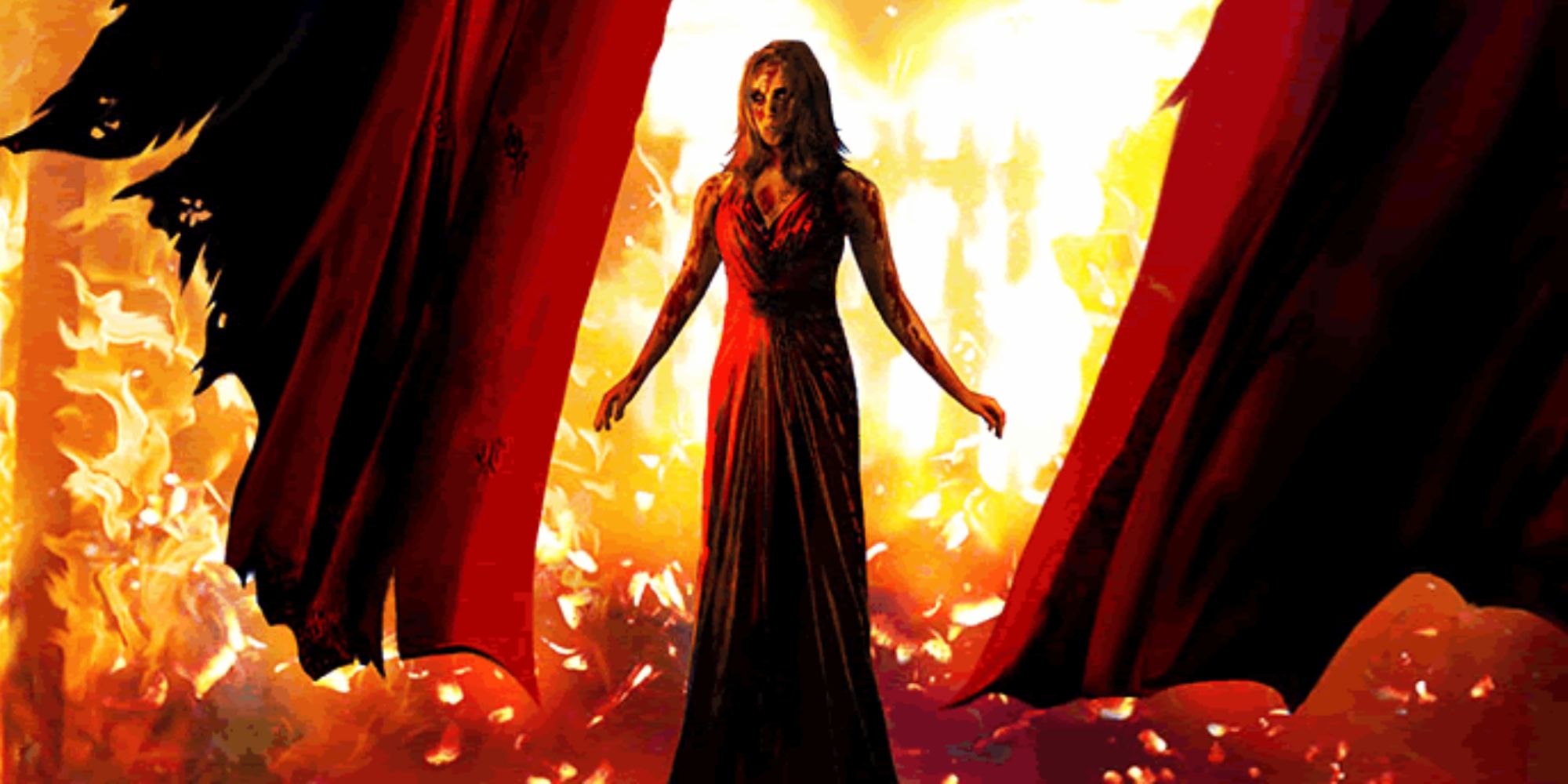
Collider argues that Mike Flanagan’s forthcoming Prime Video adaptation of Stephen King’s *Carrie* appears to repeat a longstanding omission: portraying Carrie as conventionally slim rather than overweight. The article says this matters because her weight, alongside her acne and isolation, is central to the novel’s depiction of bullying, self-image and the cruelty that contributes to her violent breaking point.
First-look images show Summer Howell as Carrie, while Heather Graham has said the series updates the story for the present day and is due later in 2026. The opinion piece notes that earlier adaptations, including Brian De Palma’s film, also cast slim actresses, and argues that a social-media-era setting could have explored appearance-based abuse more directly, particularly given the novel’s “pig’s blood” prom scene.
In short
- Flanagan’s *Carrie* reportedly omits the character’s weight again.
- The article says weight is central to the novel’s bullying themes.
- A modern setting could have addressed online appearance-based cruelty.
Steelman: both sides, in good faith
The strongest fair case each way — we don't pick a winner.
The case for
Those arguing for fidelity to the source material contend that Carrie's weight is not incidental to the novel but integral to the story's exploration of bullying, social exclusion and self-hatred. Stephen King deliberately wrote her as overweight because this detail grounds the narrative's examination of how cruelty accumulates and manifests. When adaptations consistently cast conventionally attractive actresses, they dilute the narrative's specificity and soften the very premise that makes Carrie's eventual unleashing of power narratively significant. In a contemporary setting, moreover, appearance-based bullying through social media could have been depicted with even greater precision and relevance, making fidelity to the character's description a matter not merely of accuracy but of deeper thematic resonance.
The case against
Those defending the production's choices emphasise that casting is a complex act of balancing many variables—an actress's talent, presence, compatibility with the rest of the cast, and ability to embody the character's emotional truth. The thematic heart of Carrie—a lonely, bullied teenager discovering devastating power—need not depend on precise physical replication of the source material to land powerfully on screen. Adaptations have creative latitude to reinterpret characters whilst preserving their essential meaning, and modern filmmaking can convey isolation and self-loathing through narrative, dialogue and performance rather than physical appearance alone. Additionally, casting constraints around appearance can create limiting or uncomfortable conditions for actors, and a thoughtful adaptation might achieve the story's goals through updated visual language appropriate to a contemporary setting rather than literal transcription of 1970s-era details.
Explained simply
"Carrie" is Stephen King's 1974 novel about a teenage girl who discovers telekinetic powers following years of bullying and social rejection. Carrie's appearance—including her weight and acne—is central to the novel's exploration of how her peers' cruelty shapes her and ultimately contributes to her violent breaking point. The story has spawned numerous film and television adaptations over the decades.
Director Mike Flanagan is creating a new television series adaptation of "Carrie" for Prime Video, scheduled for later in 2026. The version updates King's story to the present day, with Summer Howell playing Carrie and Heather Graham in the cast. The adaptation aims to tell the story in a contemporary, social-media-influenced context.
Discussion has emerged around how the new adaptation portrays Carrie's physical description. Prior film versions, including Brian De Palma's 1976 version, also featured conventionally attractive actresses in the role, diverging from how the character is described in the novel. The observation has been made that a contemporary setting could particularly highlight appearance-based bullying, a core theme in King's original work, especially given the intensity of such scrutiny on social media.