Technology news and discussion on TalkFuse.
Team uses AlphaFold AI to redesign gene-editing proteins to make them safer
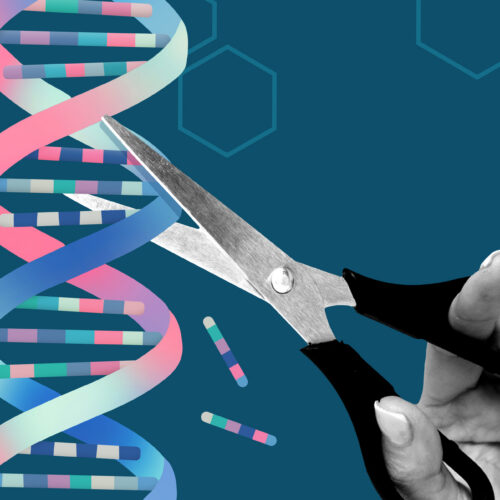
Researchers in China have used a modified version of AlphaFold to identify and redesign parts of CRISPR gene-editing proteins that contribute to unintended “off-target” DNA edits. The work could improve the safety of gene-editing therapies, where even rare errors become significant because treatment may involve editing large numbers of cells.
CRISPR systems use guide RNA to find a chosen DNA sequence, a Cas protein to bind it, and an editing protein to make the change. Although guide sequences are designed for specificity, Cas proteins can sometimes tolerate mismatches and bind similar sequences elsewhere in the genome; the researchers used structural predictions to pinpoint protein regions involved in these interactions and alter them to reduce unwanted editing.
In short
- AlphaFold helped redesign CRISPR proteins to reduce unintended DNA edits.
- Off-target changes remain a major safety challenge for gene-editing therapies.
- The method targets Cas protein interactions with mismatched DNA sequences.
Steelman: both sides, in good faith
The strongest fair case each way — we don't pick a winner.
The case for
Reducing off-target DNA edits represents a genuine safety improvement that addresses a documented clinical limitation in CRISPR therapies. Since even rare editing errors become significant when treating large numbers of cells, this technical refinement enables more responsible therapeutic applications and could unlock treatments that are currently too risky to pursue. The research straightforwardly addresses a known barrier to delivering medical benefit to patients.
The case against
Whilst improving safety appears beneficial, more refined and effective gene-editing tools accelerate development towards applications that raise profound ethical questions—including germline editing and human enhancement—which societies have not yet consented to. Technological capability often outpaces ethical frameworks and governance structures, and concentrating such powerful tools in fewer hands globally creates dual-use risks and inequitable access to transformative biotechnology. The real concern is not this research in isolation, but the trajectory it enables.
Explained simply
CRISPR is a gene-editing technique that allows scientists to find and alter specific sections of DNA. The method works by using molecular guides to locate a target sequence and then using proteins to cut and modify the DNA.
A major limitation is that CRISPR is not always precise in identifying its target. The proteins can sometimes bind to DNA sequences similar to the intended target, causing unintended edits elsewhere in the genome known as off-target effects. For medical therapies, this is particularly concerning because treatment often requires editing many cells, meaning even rare errors can accumulate and potentially cause harm.
Researchers have now used AlphaFold, an artificial intelligence system that predicts protein structures, to identify which regions of CRISPR's proteins cause off-target errors. By redesigning these protein regions to be more selective, they aim to significantly improve the safety of CRISPR-based medical treatments.