Culture news and discussion on TalkFuse.
James Carville blasts far-left ‘White turds’ among Dems who he says value Lenin more than MLK
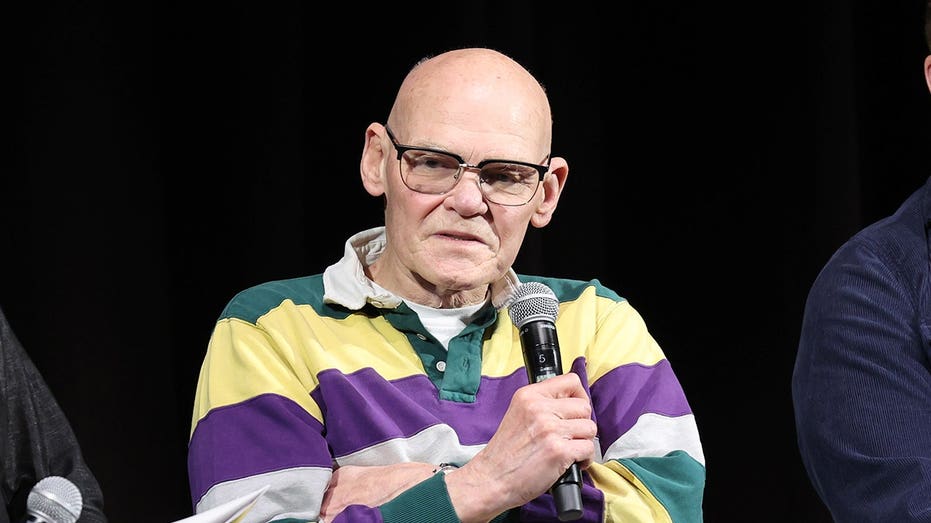
Veteran Democratic strategist James Carville criticised what he described as a growing far-left tendency within the Democratic Party, using inflammatory language to target some white progressive activists. He argued that these figures place revolutionary socialist ideas above the civil-rights legacy associated with Martin Luther King Jr., reflecting a broader dispute over the party’s ideological direction.
The article centres on Carville’s remarks rather than a specific policy announcement or election development. His comments follow his longstanding criticism of Democratic activists he believes are too focused on left-wing ideology and culture-war issues, which he argues could alienate broader sections of the electorate.
In short
- Carville attacked far-left Democrats in blunt terms.
- He contrasted Leninist ideas with MLK’s civil-rights legacy.
- The remarks highlight Democrats’ internal ideological divisions.
Steelman: both sides, in good faith
The strongest fair case each way — we don't pick a winner.
The case for
Carville expresses a concern held by many Democratic strategists: that elements of the party prioritise ideological purity and cultural symbolism over pragmatic coalition-building with working-class and moderate voters. This perspective holds that electoral success and effective governance require broad appeal, which can be undermined when activists view compromise as capitulation.
The case against
Progressive advocates contend they are addressing genuine policy failures harming real communities—inequality, healthcare, environmental crises, and racial injustice—not merely engaging in cultural posturing. They argue that Democratic success requires retaining an energised progressive base and that Carville's inflammatory dismissal counterproductively fragments the coalition needed for electoral victory.
Explained simply
James Carville is a prominent Democratic strategist and political commentator who has long been critical of the party's left-wing activists. He represents an older, more centrist strand of Democratic thinking and has regularly voiced concerns about what he sees as the party moving too far to the left.
The Democratic Party has traditionally contained both left-wing and more moderate members, but the gap between them has widened in recent years. Progressives push for ambitious social and economic reforms, whilst moderates worry that this agenda is too radical and could cost the party votes.
Carville's recent criticism highlights an ongoing debate within the Democratic Party about its ideological direction and how to appeal to voters. These internal party disputes have become increasingly public and affect decisions about strategy, messaging and which candidates the party backs.