Sport news and discussion on TalkFuse.
Caitlin Clark deserves an apology after false USA Today report about getting her hair done
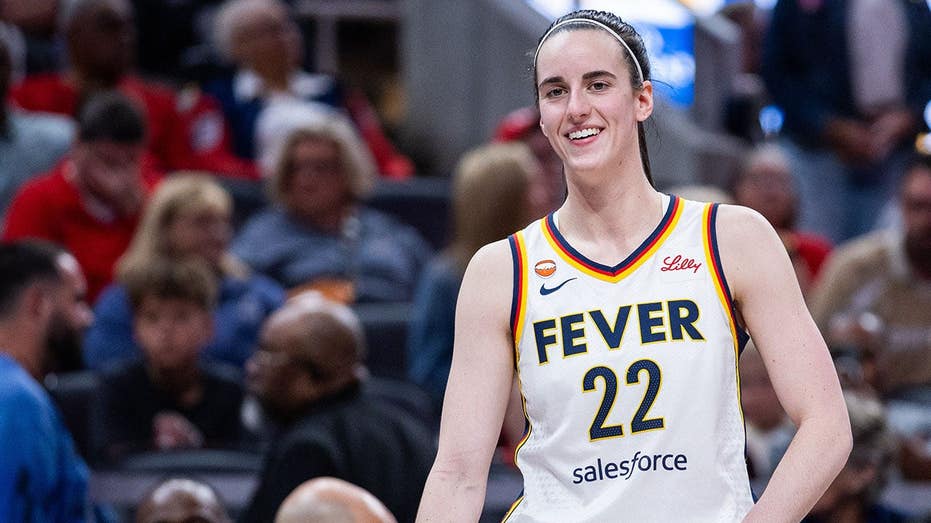
A Fox News/OutKick article argues that Caitlin Clark is owed an apology after USA Today published and later corrected a report concerning her having her hair done. The dispute has drawn attention because it concerns the accuracy of reporting about a prominent WNBA player and has intensified existing controversy around media coverage of Clark and her supporters.
The article also refers to criticism of USA Today columnist Nancy Armour over comments about Clark’s fanbase and an invocation of Emmett Till, which prompted backlash from several public figures. The supplied text does not include the full details of the original hair-related claim, its correction, or USA Today’s response, so the precise circumstances cannot be independently established from it.
In short
- OutKick says USA Today published a false claim about Caitlin Clark.
- The report was reportedly corrected after criticism.
- The episode adds to wider disputes over Clark coverage.
Steelman: both sides, in good faith
The strongest fair case each way — we don't pick a winner.
The case for
When news organisations publish false information about individuals, a correction alone may not fully address the harm caused, particularly for public figures whose reputations are commercially significant. An apology might be seen as appropriately acknowledging responsibility and recognising the real impact of inaccurate reporting, especially in the modern media environment where corrections often reach far fewer people than the original claim.
The case against
All major news organisations occasionally publish errors that require correction, and this is standard journalistic practice. Demanding formal apologies for every corrected error would be impractical and could be weaponised to discourage critical coverage; the correction itself is the established remedy for factual inaccuracy, and imposing a higher standard could set a problematic precedent.
Explained simply
Caitlin Clark plays in the WNBA, the main professional basketball league for women in the United States. She joined the league in 2024 and has become one of its most prominent players, attracting significant media attention, a large fanbase, and increasing public interest in women's professional basketball.
There is already ongoing dispute about how media outlets cover Clark and her supporters. Different groups have raised questions about reporting accuracy and tone, creating tensions between media organisations and portions of her fanbase.
This context of existing disagreement about coverage helps explain current discussions about media reporting on Clark. It shows why questions about accuracy in reporting draw attention from different groups with different perspectives.