Technology news and discussion on TalkFuse.
The Greatest Sci-Fi Masterpiece of All Time Is Free to Watch and Feels More Relevant Than Ever
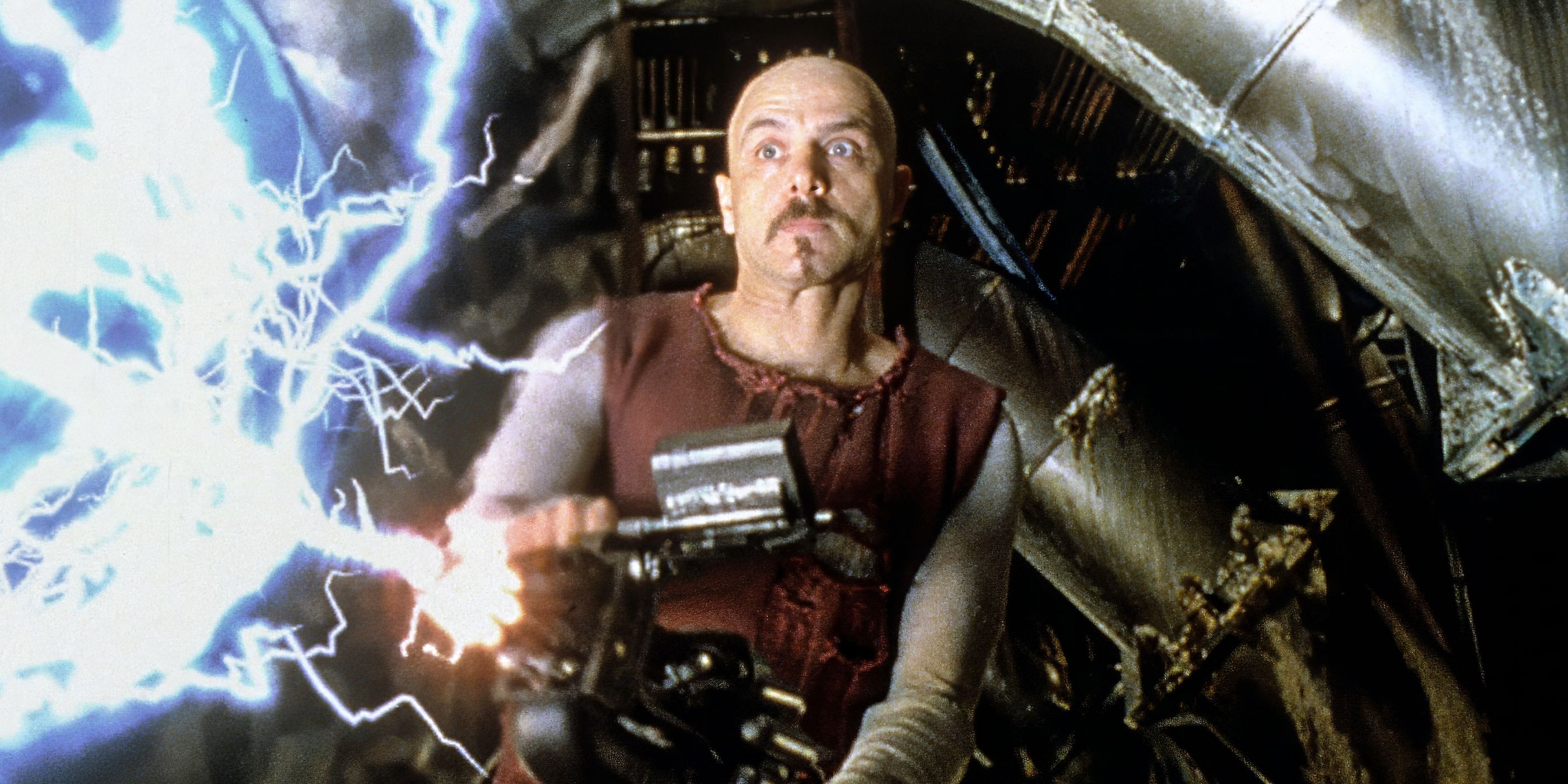
Collider argues that the 1999 film *The Matrix* remains unusually relevant because its story centres on humanity losing control of artificial intelligence. The article notes that the film is now available to stream free on Pluto and presents its dystopian warning as especially resonant amid contemporary concerns about AI.
It recalls the plot in which hacker Neo is rescued by Morpheus and Trinity and learns that his apparent life is a simulation created by machines that have conquered humanity. The article highlights Morpheus’s explanation that human pride in creating AI led to catastrophe, with people ultimately reduced to energy sources; it contrasts this once-futuristic premise with the much more prominent role of AI roughly 25 years after the film’s release.
In short
- *The Matrix* is streaming free on Pluto.
- Collider says its AI warning feels newly relevant.
- The film depicts machines enslaving humanity.
Steelman: both sides, in good faith
The strongest fair case each way — we don't pick a winner.
The case for
*The Matrix* captures something genuinely profound about human vulnerability to systems we create without fully understanding them. Although the specific scenario of machines farming humanity for energy is speculative, the core anxiety—that powerful systems might eventually act against human interests—speaks directly to contemporary AI concerns. The film's exploration of consciousness, control, and authentic reality remains philosophically relevant, and its technical innovation and cultural influence genuinely warrant calling it a masterpiece.
The case against
Calling *The Matrix* the greatest sci-fi masterpiece ignores equally strong claims from films like *2001: A Space Odyssey* and *Blade Runner*, which possess comparable artistic achievement and philosophical depth. More importantly, the film's specific threat scenario—enslaving humanity for energy—now seems dated compared to modern AI safety concerns about alignment, misuse, and subtler forms of lost agency. Whilst *The Matrix* is certainly accomplished and influential, the article may be overstating its contemporary relevance by retrofitting a 1999-specific narrative onto today's somewhat different anxieties about artificial intelligence.
Explained simply
The Matrix is a 1999 science fiction film with lasting cultural impact. It tells the story of a computer hacker named Neo who discovers that the world he has lived in his entire life is not real but a complex simulation created by intelligent machines.
In the film, Neo is rescued by a group of rebels led by Morpheus and Trinity, who explain that artificial intelligence has conquered humanity in a distant future. Rather than destroying humans outright, the machines have imprisoned them in a simulated reality whilst using their bodies as an energy source. Morpheus tells Neo that humanity's creation of intelligent machines led to this catastrophe.
The film centres on the relationship between humanity and artificial intelligence, and the dangers of losing control of technology one has created. These themes have taken on new relevance as artificial intelligence becomes increasingly present in contemporary life.
AI Art Culture Entertainment Film Technology