Science news and discussion on TalkFuse.
Are BuzzBallz actually recyclable?
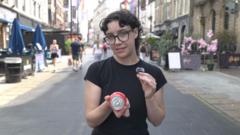
A BBC News video report examines whether BuzzBallz, the round, single-serve pre-mixed cocktail drinks that have become popular with young people, are genuinely recyclable despite their packaging claims. The piece, published by BBC Wales, looks at the gap between how such products are marketed and what actually happens to their packaging once it is thrown away, a question with growing relevance as concerns mount over plastic waste and recycling infrastructure.
Little further detail is available from the article text itself, as the piece is presented primarily as a video rather than a written report. It is filed under topics including alcohol, recycling, young people, Wales and the environment, indicating the report explores both consumer behaviour around the drink and the wider environmental and recycling systems involved.
In short
- BBC Wales video questions whether BuzzBallz drinks are truly recyclable
- Report links youth drinking trends to plastic packaging concerns
- Focuses on gap between recycling claims and actual practice
Steelman: both sides, in good faith
The strongest fair case each way — we don't pick a winner.
The case for
Manufacturers and defenders of the products argue that BuzzBallz packaging is made from genuinely recyclable materials that meet industry standards and can be processed through appropriate waste management systems. They contend that 'recyclable' accurately describes materials capable of being recycled, with the responsibility for actual recycling lying with consumers and local infrastructure providers rather than product designers. They hold that labelling packaging as recyclable reflects legitimate industry practice based on material composition.
The case against
Environmental critics argue that labelling BuzzBallz packaging as recyclable constitutes misleading marketing when the practical reality is that most units are not recycled. They point out that the packages' distinctive round shape and small size cause jams and sorting failures at most recycling facilities, meaning they typically end up in landfill despite theoretical recyclability. They contend that true accountability requires manufacturers to ensure their products can actually be recycled through existing infrastructure, not merely that the materials are theoretically capable of recycling.
Explained simply
BuzzBallz are ready-to-drink cocktails sold in distinctive round plastic containers, marketed as convenient single servings for younger drinkers. The drinks have become increasingly popular in recent years as portable, pre-mixed alcoholic beverages.
The packaging displays recycling symbols and claims, but questions have arisen about whether these plastic containers are actually recycled when thrown away. This reflects a broader gap between how companies market their packaging as environmentally responsible and what genuinely happens to these materials once they enter the waste system.
As plastic waste grows and recycling infrastructure faces real constraints, the true recyclability of popular consumer products increasingly matters to both the environment and conscious consumers. The issue is particularly significant for products marketed to younger people, who are often more concerned about environmental impact.