Business news and discussion on TalkFuse.
Meta has pulled out of a renewable energy initiative as it relies more on natural gas for data centers
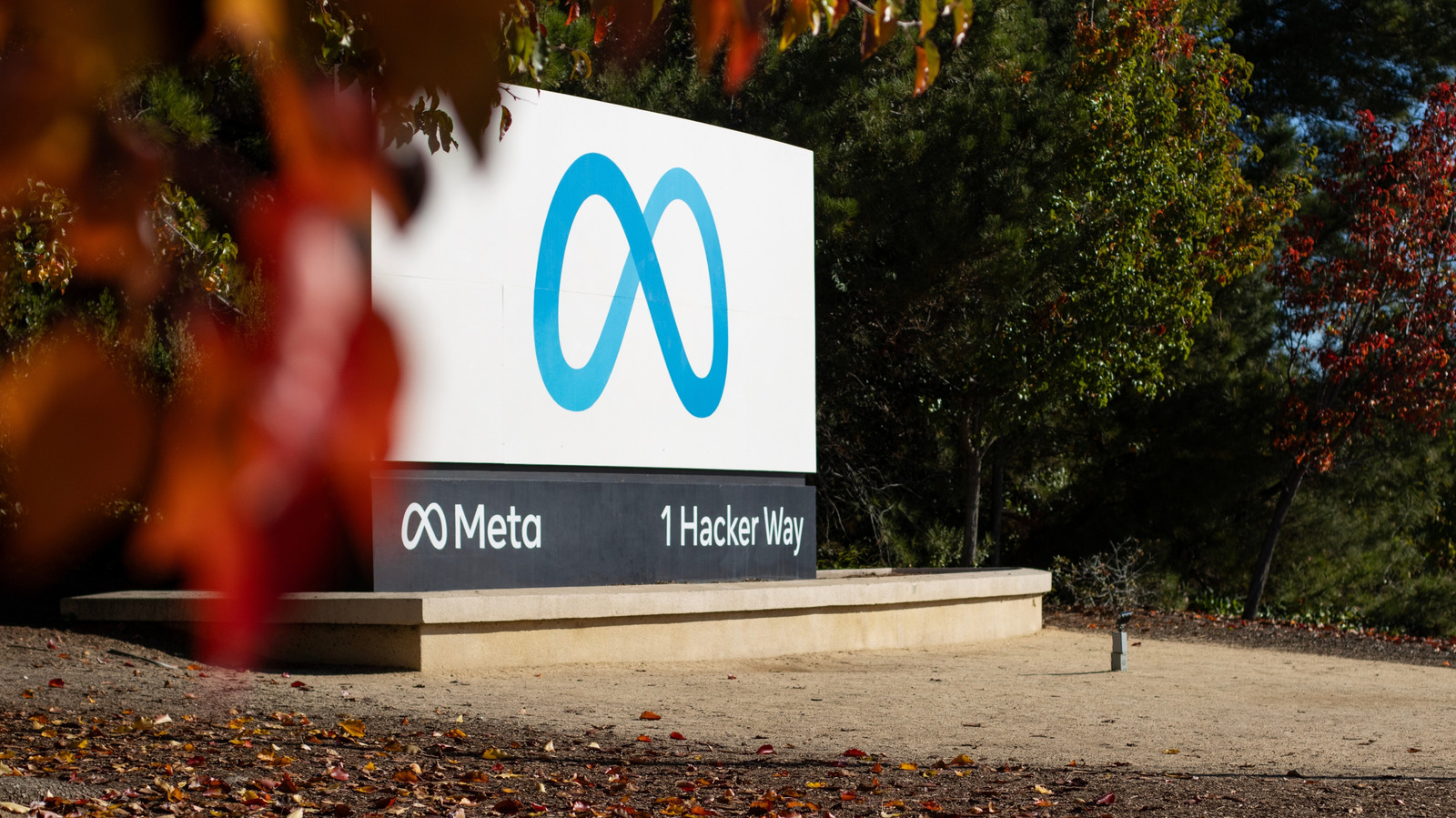
Meta has left RE100, a voluntary corporate renewable-electricity initiative, as its growing AI data-centre operations increasingly depend on new natural-gas generation. The departure highlights the tension between Big Tech’s clean-energy pledges and the large, immediate power demands created by expanding AI infrastructure.
Meta joined RE100 in 2016 and aimed to meet its renewable-energy target by 2020; the group has more than 400 members, including Apple, Google and Microsoft. Climate Group said Meta could no longer meet the initiative’s technical criteria because of investments in new gas power, while Meta described the decision as mutual and said it remained committed to 100% clean and renewable energy. Meta has committed to 10 gas-plant projects since last year, including seven announced earlier in 2026; together, they could generate enough electricity to power South Dakota, making renewable-offset claims harder to defend.
In short
- Meta left RE100 after expanding natural-gas investment for AI data centres.
- It has committed to 10 gas-power projects since last year.
- Meta says it still supports 100% clean and renewable energy.
Steelman: both sides, in good faith
The strongest fair case each way — we don't pick a winner.
The case for
AI infrastructure creates genuinely unprecedented immediate power demands that renewable sources cannot yet provide reliably at this scale, making natural gas a necessary transition fuel. Meta merits credit for honest withdrawal rather than maintaining false compliance through accounting, which undermines corporate sustainability reporting generally. Expecting the company to sacrifice competitive position in critical AI development to meet arbitrary timelines in a voluntary initiative represents an unrealistic standard.
The case against
Meta made an explicit public commitment when joining RE100 in 2016 and has abandoned it at the first serious challenge, corroding the credibility of voluntary corporate initiatives that depend on good faith. With substantial resources, the company could have pursued genuine alternatives such as investing in energy storage, modifying expansion timelines, or driving renewable innovation, rather than taking the expedient path of fossil fuels. This sets a troubling precedent where major corporations abandon environmental commitments whenever business pressures conflict, rendering voluntary initiatives meaningless.
Explained simply
RE100 is a voluntary programme that asks large companies to commit to using 100 per cent renewable electricity. Meta, the parent company of Facebook, joined in 2016 and pledged to meet this goal by 2020; the initiative now has over 400 members, including Apple, Google and Microsoft.
The issue centres on a mismatch between Meta's public climate commitments and its actual energy choices. As Meta builds more data centres to run artificial intelligence systems, these facilities require enormous amounts of electricity, and the company has decided to rely heavily on new natural-gas power plants to meet this demand rather than waiting for sufficient renewable capacity.
This situation reflects a broader tension in the technology industry. Companies have made ambitious promises to shift to clean energy, but the rapid expansion of power-hungry AI infrastructure is creating immediate pressure for new electricity generation, which is quicker to build using fossil fuels than renewable sources.
Business Climate Companies Science