Culture news and discussion on TalkFuse.
This Paramount+ Classic Sitcom Is Quietly Better Than ‘Cheers’
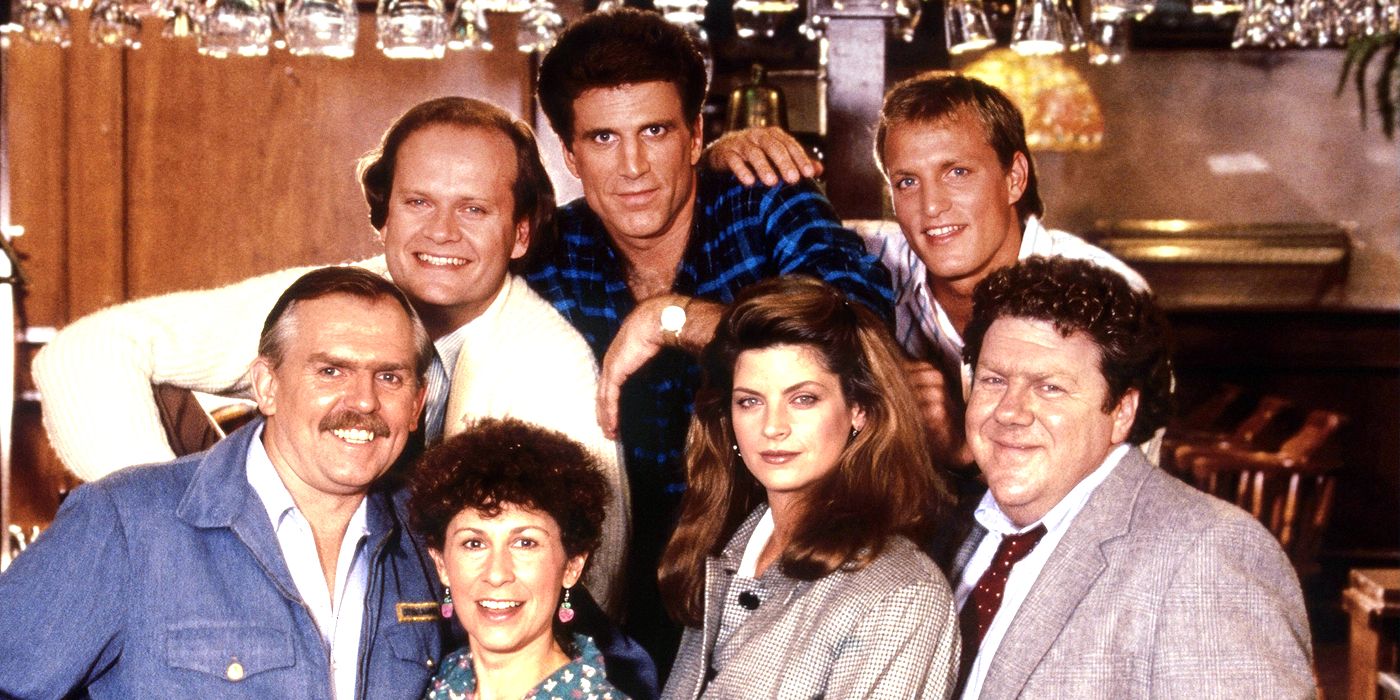
Collider argues that Frasier has endured better than its parent series Cheers because it developed a distinct identity while retaining the strong ensemble chemistry that made the original popular. The spin-off broadened its setting beyond a single bar, using Frasier Crane’s home and radio workplace to create contrasting relationships and allow its characters to evolve.
After moving psychiatrist Frasier Crane from Boston to Seattle, the programme paired him with his working-class father Martin, snobbish brother Niles, producer Roz and later Daphne, Niles’s eventual wife. The article notes that Frasier won 37 Emmy Awards and says its critical reception ultimately matched and exceeded Cheers, helped by the decision to separate it clearly from its predecessor.
In short
- Frasier built a distinct, character-driven identity beyond Cheers.
- Its Seattle setting broadened the sitcom’s relationships and stories.
- The series won 37 Emmy Awards.
Steelman: both sides, in good faith
The strongest fair case each way — we don't pick a winner.
The case for
The article makes a credible case that Frasier achieved greater critical recognition and creative longevity by establishing its own distinct identity separate from Cheers. Its diverse settings—Frasier's apartment, the radio station—created richer character dynamics and allowed more sophisticated writing than Cheers's single-location format, with 37 Emmy Awards testifying to its sustained achievement. By building on the strengths of its predecessor whilst pursuing its own ambitious direction, Frasier demonstrates how a spin-off can develop beyond mere extension into something equally or more accomplished.
The case against
Cheers remains television's foundational modern sitcom, establishing the workplace ensemble formula that Frasier refined rather than surpassed, and its cultural penetration—the Sam-and-Diane dynamic, iconic characters like Norm and Cliff—defined an entire television era. The original had to innovate and create beloved characters from first principles, whereas Frasier benefited from an established character and proven formula; judging it as definitively better overlooks Cheers's genuine creative achievement. The focused intimacy of a single, cherished location and ensemble created an authenticity that Frasier's broader, more ambitious settings pursue but do not necessarily equal.
Explained simply
Cheers was a popular American sitcom about people who gathered at a Boston bar, running through the 1980s and 1990s. Frasier is a spin-off series that followed one of Cheers's main characters, psychiatrist Frasier Crane, as he moved to Seattle to begin anew.
In Frasier, the character lived with his working-class father Martin and his snobbish brother Niles, alongside producer colleagues Roz and eventually his sister-in-law Daphne. Rather than being set entirely in a bar like Cheers, the new series centred on Frasier's home and radio workplace, creating different types of stories and character dynamics.
Frasier won 37 Emmy Awards and achieved strong critical acclaim, establishing itself as one of the most successful television spin-offs. The series developed its own distinct identity whilst retaining the ensemble chemistry that had made Cheers popular with audiences.