World news and discussion on TalkFuse.
The Nintendo Switch 2’s power boost is finally starting to pay off
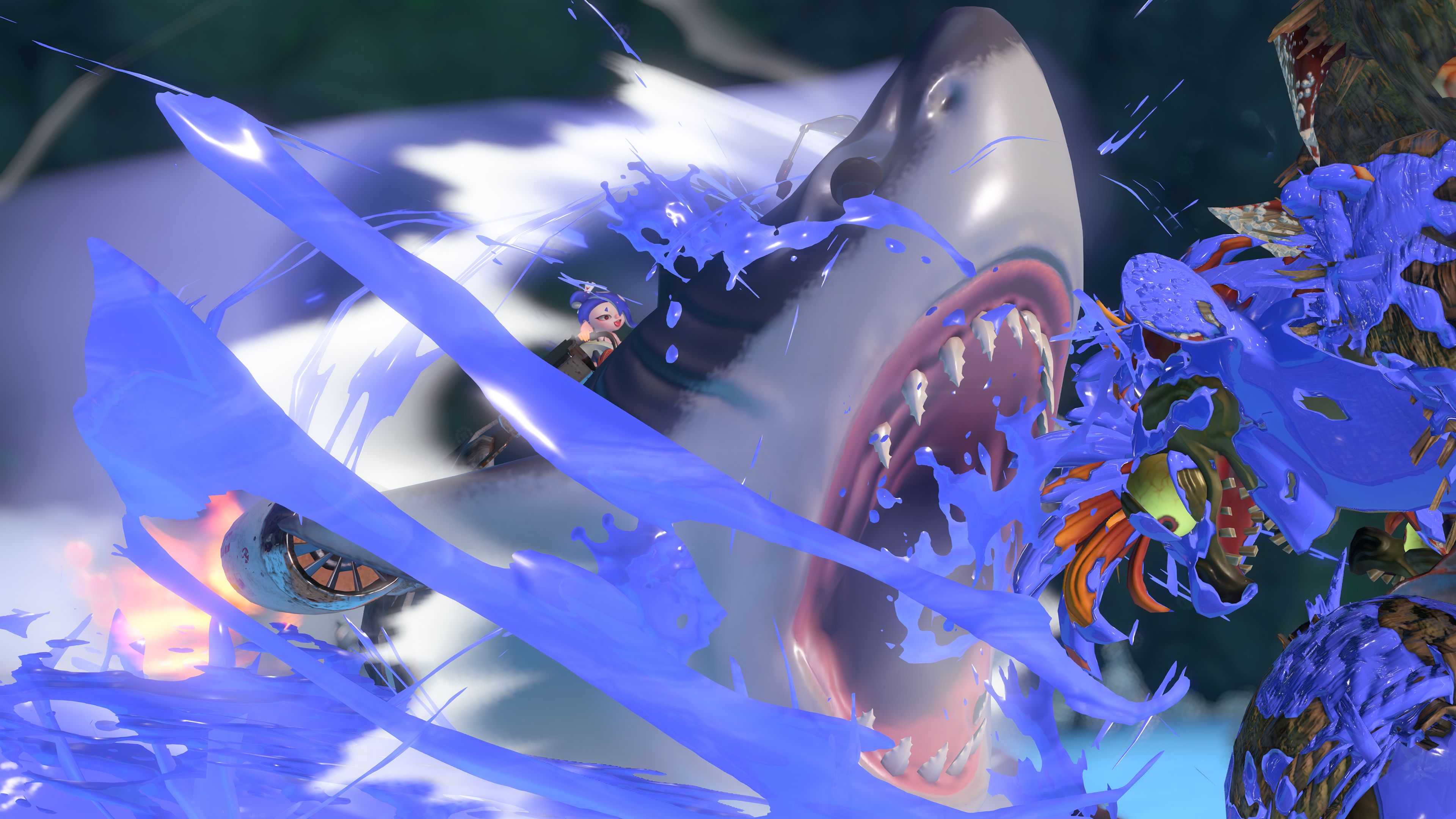
Nintendo’s more powerful Switch 2 hardware is beginning to shape its exclusive games, according to the article, chiefly by enabling dense, colourful action without major performance drops. Rather than pursuing realism, Nintendo is using the added capability for greater on-screen chaos, which could influence the design of future games and revivals.
Examples include Donkey Kong Bananza’s destructible environments, Hyrule Warriors: Age of Imprisonment’s large enemy crowds, Kirby Air Riders’ fast City Trial mode and Mario Tennis Fever’s simultaneous effects. The article presents Splatoon Raiders as the clearest case: its endgame missions fill the screen with Salmonids and ink while maintaining a stable frame rate, something the original Switch would probably struggle to run.
In short
- Switch 2 enables busier Nintendo games with steadier performance.
- Splatoon Raiders showcases dense, colourful on-screen action.
- Future franchises may exploit the hardware further.
Steelman: both sides, in good faith
The strongest fair case each way — we don't pick a winner.
The case for
The Switch 2's increased power is demonstrably paying off by enabling gaming experiences that address the original hardware's limitations. Developers can now maintain stable performance whilst delivering more complex visuals, denser action, and ambitious environmental interactions—tangible improvements that enhance gameplay. This represents the hardware investment proving its worth through concrete examples of superior experiences that players directly benefit from.
The case against
Whether this power increase has genuinely 'paid off' is debatable when considering the full costs: higher device expense, potential battery trade-offs, and a strategic shift toward performance-focused design. Nintendo has historically thrived through creative ingenuity within constraints rather than raw power. Emphasising denser on-screen action and technical specs risks moving Nintendo toward competing on grounds where it cannot match Sony and Microsoft, potentially diluting the design philosophy that makes Nintendo distinctive.
Explained simply
The Nintendo Switch 2 is the successor to Nintendo's hugely successful hybrid gaming console, which launched in 2017. The new model is significantly more powerful than its predecessor, capable of handling more complex graphics and more events happening on screen at once. This extra capability is now beginning to appear in actual games rather than remaining merely a technical specification.
Nintendo has chosen to use the Switch 2's added power not to make games look more realistic, but to pack more action on screen simultaneously—more enemies, more visual effects, and more destruction. Games like the new Donkey Kong and Kirby titles showcase destructible environments and fast-paced action that would have been impossible on the original Switch hardware. This approach shapes how developers design new games from the ground up.
The shift matters because hardware improvements now translate into tangible gameplay changes rather than purely visual enhancements. Players benefit from more ambitious and varied game experiences, whilst developers have clearer direction about what the hardware enables. It signals a template for how future Switch 2 titles will be designed.
Americas Art Celebrity Culture Entertainment Gaming