World news and discussion on TalkFuse.
Larian once again reminds us it’s ‘not involved in any BG3-related projects’ in response to Karlach comic reveal
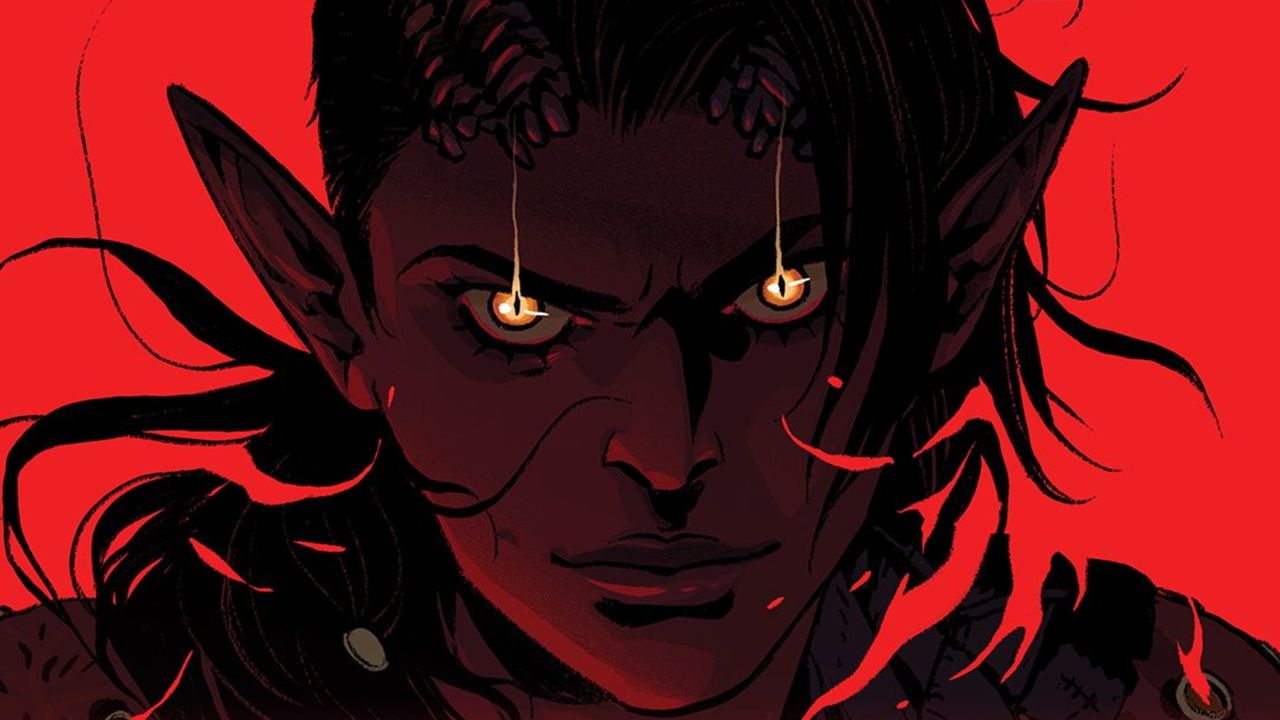
Larian Studios has again said it is not involved in any new Baldur’s Gate 3-related projects, after publisher Dark Horse announced an untitled Karlach comic series and tagged both Larian and Wizards of the Coast. The clarification matters because the announcement’s wording could have led fans to believe Larian’s writers or developers were contributing to the spin-off.
Dark Horse described the comic as being made “with” Larian and Wizards of the Coast, but Larian responded that it was not involved and would instead share more about its next Divinity game when ready. Larian previously decided not to make Baldur’s Gate 4; its chief executive, Swen Vincke, has said the separation from Dungeons & Dragons owner Wizards was amicable and reflected the team’s wish to work in its own setting.
In short
- Larian denies involvement in Karlach’s upcoming comic.
- Dark Horse’s announcement prompted possible confusion.
- Larian is focused on its next Divinity game.
Explained simply
Baldur's Gate 3 is a hugely successful video game released by Larian Studios in 2023, based on the tabletop role-playing game Dungeons & Dragons, which is owned by Wizards of the Coast. The game became a critical and commercial hit, bringing significant attention to both Larian and the Baldur's Gate franchise.
Wizards of the Coast owns the intellectual property rights to Baldur's Gate and licensed it to Larian Studios to develop the game. This means any official Baldur's Gate or Dungeons & Dragons content requires approval from Wizards, and announcements about new projects often involve multiple companies depending on who was responsible for creating what.
Larian has since decided against making Baldur's Gate 4 and ended its partnership with Wizards of the Coast, choosing to focus instead on its own original game series, Divinity. The studio's leadership indicated the separation was amicable and reflected their preference to work in their own universe rather than with licensed intellectual property.