Entertainment news and discussion on TalkFuse.
‘Universal Soldier’: the CIA secret that was revealed in a 1963 protest song
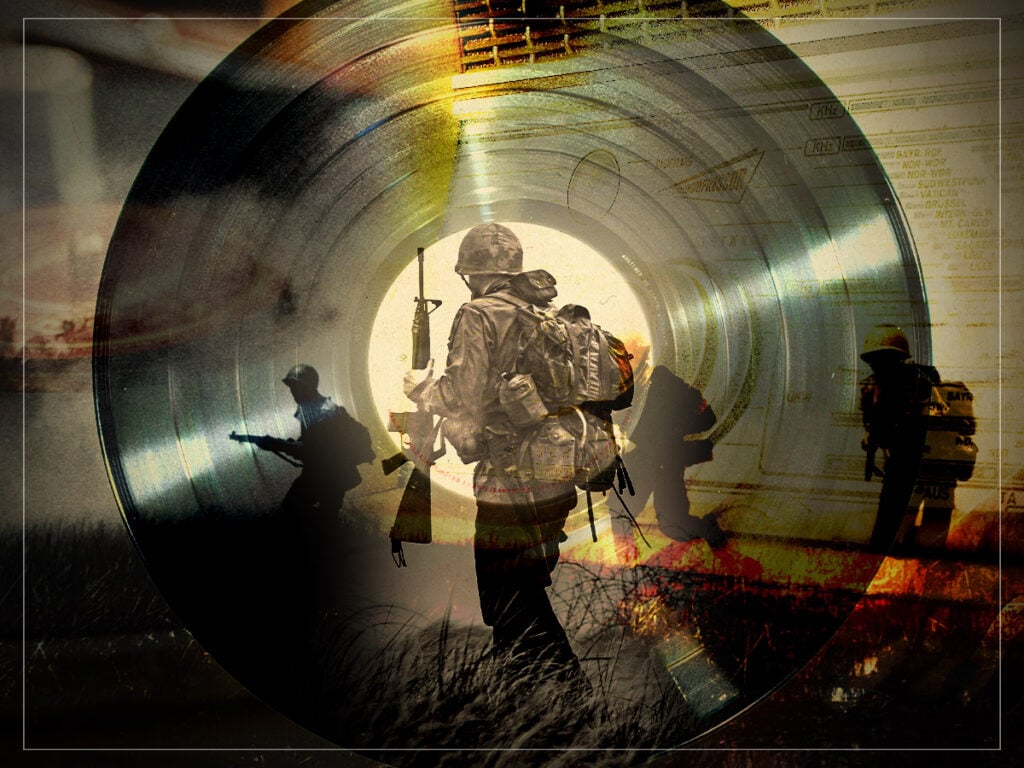
A 1963 protest song, ‘Universal Soldier’, is presented as having anticipated revelations about CIA-backed programmes that sought to manipulate or control human behaviour. Written by Canadian singer-songwriter Buffy Sainte-Marie, the song challenges the idea that individual soldiers can evade responsibility for war by claiming they merely follow orders, making its message relevant to debates about military power and personal accountability.
The article links the song’s themes to later-disclosed CIA experiments, particularly Project MKUltra, which involved research into interrogation, drugs and psychological control during the Cold War. ‘Universal Soldier’ was later popularised by Donovan and became an influential anti-war song, although its broader argument focuses less on a particular conflict than on the role ordinary individuals play in sustaining violence.
In short
- ‘Universal Soldier’ questioned soldiers’ responsibility for war.
- The article connects it with later CIA mind-control revelations.
- Buffy Sainte-Marie wrote the influential 1963 protest song.
Steelman: both sides, in good faith
The strongest fair case each way — we don't pick a winner.
The case for
The song 'Universal Soldier' should be recognised as a prescient critique of institutional mechanisms that manipulate human behaviour. By exploring how individuals become complicit in violence through hierarchical systems and psychological conditioning, Sainte-Marie identified truths that extended beyond warfare to covert operations later revealed through programmes like MKUltra. The subsequent disclosure of CIA experiments vindicated the song's central insight about institutional control, making the connection between the song's critique and the revelations substantively meaningful rather than merely interpretive.
The case against
Attributing prescience to 'Universal Soldier' for anticipating CIA programmes represents a retrospective reading that conflates distinct arguments. The song's primary thesis concerns individual moral accountability—soldiers cannot evade responsibility for war by claiming they merely follow orders. This differs fundamentally from CIA behavioural control experiments. Linking it to MKUltra imposes contemporary revelations onto a text fundamentally about personal agency and military responsibility rather than intelligence operations, risking misrepresentation of what the song actually argued.
Explained simply
"Universal Soldier" is a protest song written in 1963 by Canadian singer-songwriter Buffy Sainte-Marie. Rather than condemning a specific conflict, the song argues that ordinary people bear responsibility for sustaining warfare through their participation, even if they claim to be merely following orders.
Project MKUltra was a secret CIA programme during the Cold War that investigated interrogation methods, including drugs and psychological techniques, with the aim of controlling or influencing human behaviour. Contemporary discussions now link the song's themes about how authorities might influence or control individuals to revelations about such programmes and broader questions about power.
The song was later popularised by Scottish folk singer Donovan and became influential in anti-war movements. It remains significant because it raises enduring questions about individual accountability in military systems and how people's actions and beliefs can be shaped by the institutions they serve.