Entertainment news and discussion on TalkFuse.
“Americans shocked me”: The best blues singer Mick Jagger wanted everyone to know
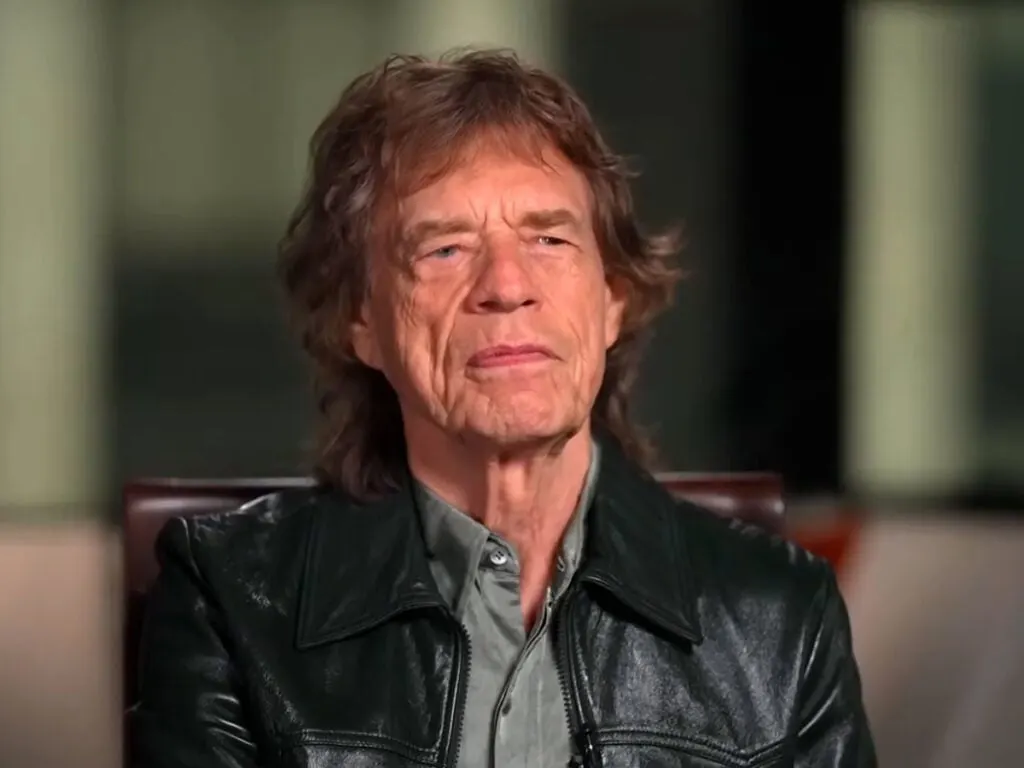
The article examines Mick Jagger’s admiration for blues singer Howlin’ Wolf, whom he regarded as a performer of exceptional power and authenticity. It argues that Jagger’s wish to draw attention to Wolf reflected the Rolling Stones’ deep debt to African American blues, while also highlighting the racial inequalities the band encountered in the United States.
Jagger said that visiting America in the 1960s shocked him because of segregation and narrow-minded attitudes, despite the country being the source of music he admired. The Stones met and performed alongside leading blues musicians including Howlin’ Wolf, helping introduce some British and American rock audiences to artists whose work had strongly shaped the band.
In short
- Jagger championed Howlin’ Wolf as a defining blues performer.
- The Stones’ sound owed much to African American blues.
- Jagger criticised segregation-era American attitudes.
Steelman: both sides, in good faith
The strongest fair case each way — we don't pick a winner.
The case for
The Rolling Stones' genuine admiration for blues legends like Howlin' Wolf and their efforts to perform alongside and champion these artists represent meaningful cultural respect and bridge-building across racial lines. Jagger's documented shock at American segregation demonstrates opposition to racism, and the band's platform helped introduce pioneering African American musicians to wider audiences, honouring their creative debt and providing important recognition to overlooked artists during a period of significant racial inequality.
The case against
Whilst the Stones' admiration may have been sincere, the narrative risks obscuring more complex dynamics of cultural exchange where British rock musicians ultimately achieved far greater fame and financial success than the African American pioneers whose music they performed and built their careers upon. Post-hoc appreciation and shared performances, however well-intentioned, do not fully address the systemic industry inequalities that meant original blues artists typically received less recognition and remuneration than their white British counterparts who interpreted their innovations.
Explained simply
The Rolling Stones, a rock band with Mick Jagger as lead singer, built their early music on American blues records. Howlin' Wolf was an influential blues singer whom Jagger deeply admired, and this story examines why Jagger felt his work deserved greater recognition.
In the 1960s, when the Rolling Stones travelled to America to perform and meet their musical heroes, they witnessed racial segregation and prejudice that shocked them. Through meeting and performing with blues musicians including Howlin' Wolf, they became aware of how differently the music industry treated Black artists compared with white performers.
This is important because it shows the profound influence of African American blues on rock and roll music. It also exposes a historical inequality: the Black musicians whose work inspired a generation of rock stars often received far less public recognition and financial reward than the white artists who performed similar music.