Entertainment news and discussion on TalkFuse.
9 Most Perfect Miniseries of the Last 25 Years
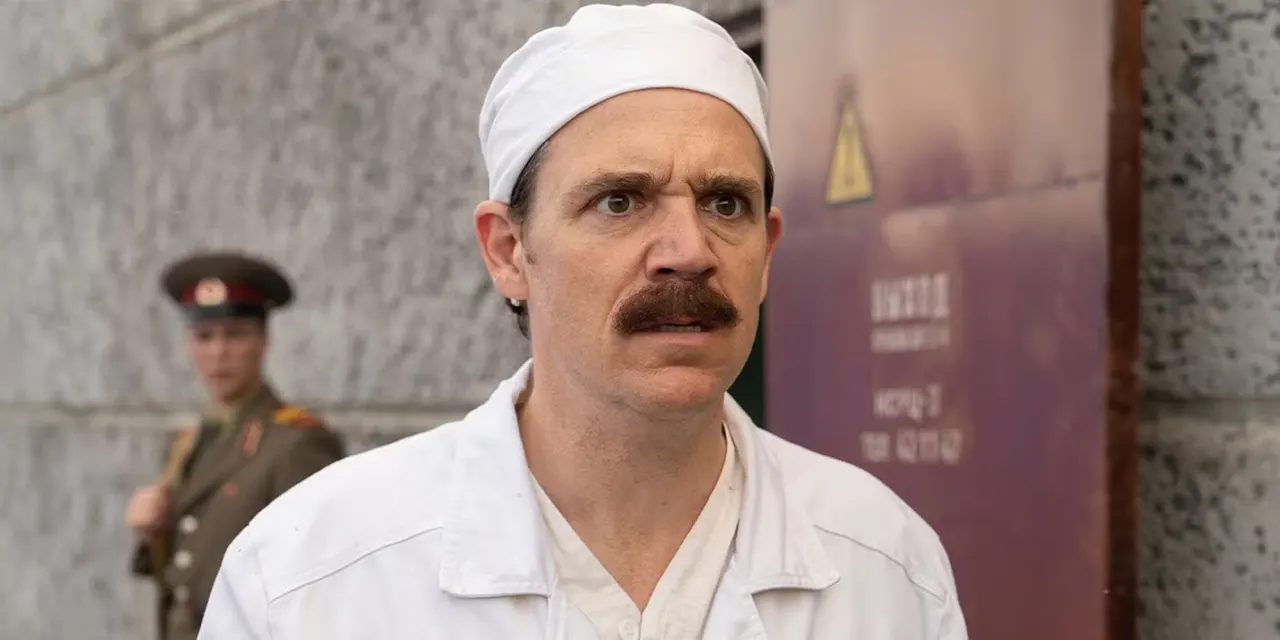
This Collider article ranks nine miniseries from the past 25 years, arguing that limited series offer more satisfying viewing than ongoing shows because they tell complete stories without the risk of cancellation mid-plot. The author cites cancelled series like Mindhunter, The OA and The Recruit as examples of the frustration that miniseries avoid, since creators know the episode count in advance and can build every scene towards a planned ending.
The list includes Mike Flanagan's Midnight Mass (2021), a slow-burn horror set on an isolated fishing island, praised for Hamish Linklater's performance as a charismatic priest; Dopesick (2021), starring Michael Keaton in an Emmy-winning role as a doctor confronting the opioid crisis fuelled by OxyContin; and Adolescence (2025), a Netflix crime drama notable for newcomer Owen Cooper's Emmy-winning debut performance and its distinctive single-take episode format. The provided extract covers only the lower entries (positions nine through seven) of the full nine-title ranking.
In short
- Collider ranks nine standout miniseries from the last 25 years.
- Praises Midnight Mass, Dopesick and Adolescence for strong performances.
- Argues miniseries avoid the cancellation risk of ongoing series.
Steelman: both sides, in good faith
The strongest fair case each way — we don't pick a winner.
The case for
Miniseries represent superior storytelling because they prioritise narrative completeness over commercial exploitation. When creators know the exact episode count in advance, they craft deliberately, eliminating the filler and declining quality that plague extended runs. The cancellation anxiety demonstrated by shows like Mindhunter and The OA creates artistic compromises that a predetermined endpoint eliminates entirely, allowing each scene to serve the planned conclusion rather than speculative network demands.
The case against
Ongoing series offer irreplaceable artistic value that the limited format cannot provide. Extended timescales permit profound character development and psychological subtlety that most eight-hour miniseries cannot achieve; many acclaimed series deliberately build across multiple seasons to earn their emotional weight, and collapsing them would undermine their storytelling. Moreover, the cancellation problem reflects industry dysfunction rather than a format flaw—well-received series routinely conclude satisfyingly, and audiences value sustained engagement with characters and worlds over time, an experience fundamentally different from concentrated viewing.
Explained simply
A miniseries is a television drama with a set number of episodes and a planned conclusion, unlike ongoing shows that may continue for years or end abruptly if cancelled. Creators of miniseries know their episode count in advance and can structure every scene to build towards a definitive ending. This differs from traditional television, where shows may be renewed or cancelled based on ratings and network decisions.
The format has attracted growing interest from television critics and audiences in recent years. Popular ongoing shows such as Mindhunter and The OA were cancelled before their stories concluded, disappointing viewers who had invested in their narratives. Miniseries avoid this by design, since creators have certainty about their full episode count from the start.
Collider has ranked nine miniseries from the past 25 years to explore why limited series have gained prominence with audiences and critics. For creators, the format offers clarity in planning a complete story arc without the uncertainty of renewal decisions. This has positioned miniseries as a prominent option for telling substantial stories within a defined timeframe.