News, events and chat from Sheffield and South Yorkshire.
Popular ice cream shop pays to divert footpath
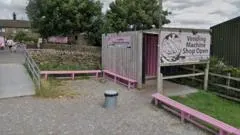
An ice cream producer in Dungworth, Sheffield, will pay to have a public footpath diverted after the volume of visitors began disturbing neighbouring residents. Our Cow Molly saw a surge in popularity during the Covid pandemic, prompting the business to open an alternative route away from two cottages near the site, but this in turn created a muddy, unsatisfactory entrance due to frequent cattle movements. The case, heard by Sheffield City Council's planning and highways committee, highlights how the dairy's rapid growth has required practical accommodations with its rural neighbours.
A council report noted that walkers had repeatedly lingered near the cottages, on one occasion sitting on a resident's garden bench to eat ice cream. To ease the disruption, the dairy owner had already introduced a permissive route steering visitors away from the homes, which proved especially popular in summer. Following talks with the owner, it was agreed that a new public path, built from crushed stone and relocated away from the cattle entrance and exit, would be constructed at the company's expense.
In short
- Our Cow Molly dairy to fund a diverted footpath in Dungworth, Sheffield.
- Move follows visitor surge disturbing neighbours since the Covid pandemic.
- New crushed-stone path will avoid muddy cattle entrance and residents' homes.
Steelman: both sides, in good faith
The strongest fair case each way — we don't pick a winner.
The case for
The business enjoyed significant financial benefit from pandemic-driven growth in visitor numbers, making it fair they address the disruption caused to neighbouring residents. Sound economic policy holds that businesses should internalize the costs of negative externalities they create, which encourages responsible growth whilst protecting residents' legitimate interests in peaceful enjoyment of their homes. This arrangement represents a balanced solution where the business can continue operating whilst properly managing its impact.
The case against
Public infrastructure like footpaths should be funded through public budgets rather than being transferred to private businesses merely because they became popular. The business didn't deliberately seek disruption but simply met customer demand, and placing expensive infrastructure obligations on it may unfairly constrain rural economic development and entrepreneurship. Residents living near working agricultural properties should reasonably expect some visitor activity, and public responsibility for public paths shouldn't automatically become a private business's financial burden.
Explained simply
Our Cow Molly is an ice cream producer located in Dungworth, near Sheffield. The business experienced a sharp increase in visitor numbers during the Covid pandemic, growing from a quiet rural operation into a popular destination.
This unexpected growth created problems for residents of two nearby cottages, who experienced significant disruption from the volume of visitors passing by their homes. The large number of walkers frequenting the site meant that people would linger in the area, sometimes even sitting on residents' property to eat their ice cream.
The situation involves three key groups: the ice cream business, the affected residents seeking peace and quiet, and Sheffield City Council, which oversees planning and highways matters locally. It represents a common challenge in rural areas where businesses grow in ways that were not anticipated by the surrounding community.