Entertainment news and discussion on TalkFuse.
The singer Robert Plant thinks will last forever: “Timeless”
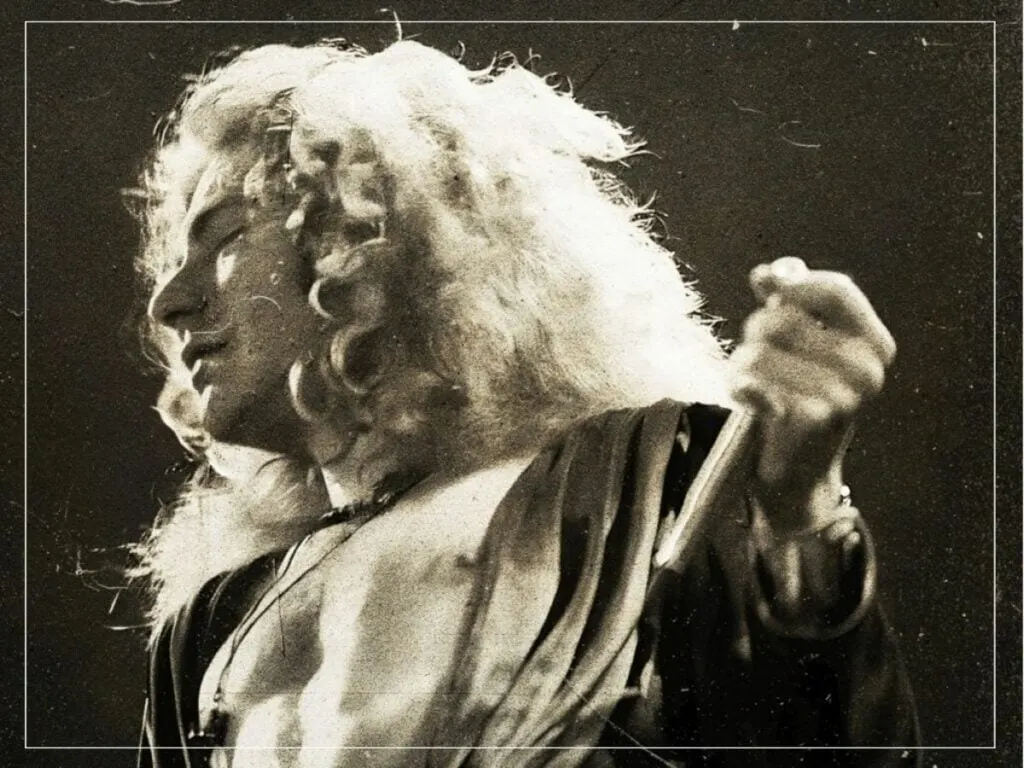
In reflecting on Led Zeppelin's formation and his own career trajectory, Robert Plant defines what it means for a singer to be truly timeless. Rather than describing vocal perfection frozen in time, Plant frames timelessness as an artist's capacity to remain creatively engaged across decades by adapting to natural changes in their instrument and artistic perspective. He notes that his own evolution—moving beyond the open-throated falsetto of his youth into different vocal territories—required accepting transformation rather than resisting it.
Plant's philosophy extends to how he evaluates other musicians, valuing those who reshape their performances through accumulated experience rather than attempting to recapture their earlier vigour. This perspective on artistic longevity emphasises authenticity over preservation, with Plant recently applying this framework to describe Elton John as a timeless vocalist following the artist's high-profile Glastonbury performance. For Plant, being timeless ultimately reflects an artist's commitment to their craft and willingness to evolve rather than become a recreation of their former self.
In short
- Robert Plant describes timelessness in music as an artist's willingness to evolve authentically rather than recreating their younger self
- Plant credits his post-Zeppelin longevity to embracing vocal changes and exploring new styles rather than chasing past brilliance
- He recently extended this philosophy in praising Elton John as a timeless performer following the latter's Glastonbury farewell set
Steelman: both sides, in good faith
The strongest fair case each way — we don't pick a winner.
The case for
Plant's philosophy values authentic creative engagement and artistic growth across a lifetime. Artists who embrace evolution and transformation—adapting honestly to natural changes whilst remaining engaged with their craft—preserve what truly matters: their integrity and vitality. By this framework, timelessness belongs to artists who remain genuinely alive as creative practitioners, honestly evolving rather than attempting to resurrect their younger selves.
The case against
True timelessness transcends the present moment and resides in transcendent excellence—qualities most vividly captured in an artist's peak work, created when their gifts were in fullest bloom. The greatest recordings and iconic performances possess timeless qualities precisely because they crystallise undeniable artistic greatness. Whilst an artist's continued creative engagement can be artistically interesting, genuine timelessness ultimately belongs to the incomparable performances and recordings that defined an era, rather than to how those artists might reimagine their work today.
Explained simply
Robert Plant is the lead singer of Led Zeppelin, one of the most influential rock bands of the 1970s. In recent reflections on his career and what defines artistic longevity, Plant has offered his perspective on what it means for a vocalist to be truly timeless in the eyes of audiences and fellow musicians.
Rather than equating timelessness with vocal perfection or preserving one's earlier style unchanged, Plant argues that being timeless is about remaining creatively engaged and willing to evolve. He acknowledges his own transformation from the powerful falsetto of his youth to different vocal registers, framing this shift as essential rather than a decline. This approach values an artist's commitment to their craft and their ability to adapt to natural changes in their instrument over time.
Plant's framework emphasises authenticity and artistic growth, extending to how he judges other musicians. When describing fellow artist Elton John as a timeless vocalist, he applies this criterion of artists who reshape their work through experience rather than attempt to recreate their past.