Culture news and discussion on TalkFuse.
Introducing the Trump Administration Babies
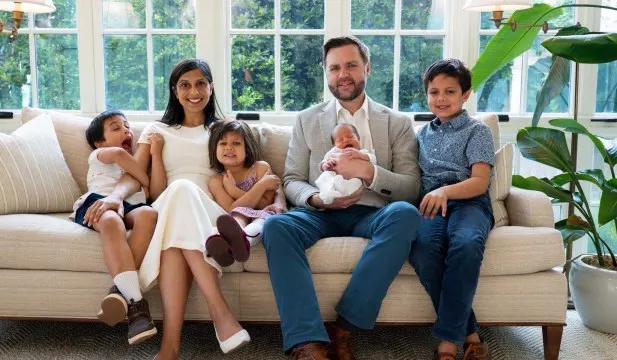
The article uses recent births among senior Trump administration figures, including Vice-President JD Vance’s fourth child, to argue that pronatalism has become more visible in conservative politics and culture. It says this matters because encouragement of higher birth rates is increasingly reflected in public messaging and policy, but contends that support for childbirth alone does not necessarily amount to a broader pro-family agenda.
It distinguishes pronatalism, defined as prioritising more births and population growth, from a pro-family approach centred on marriage, traditional values and stable family units. The article cites administration support for IVF and “Trump accounts”, which offer a $1,000 government contribution for eligible children born from 2025 to 2028; it says more than six million accounts were opened within five days. It also cites research reporting that conservative respondents averaged 1.4 children, compared with 1.1 among liberal respondents, while acknowledging that its conclusions reflect a conservative viewpoint.
In short
- Administration births are presented as evidence of a pronatalist trend.
- The article distinguishes pronatalism from broader pro-family policy.
- IVF and child investment accounts illustrate the policy debate.
Steelman: both sides, in good faith
The strongest fair case each way — we don't pick a winner.
The case for
Pronatalism addresses genuine demographic challenges facing developed societies, as declining fertility threatens economic sustainability and pension systems. Supporting access to family formation through policies like IVF coverage and tax credits removes barriers that prevent people from having children they desire, respecting reproductive autonomy whilst serving legitimate collective interests.
The case against
Making birth rates the primary policy metric risks treating children as demographic targets rather than individuals deserving genuine support. Pronatalism can implicitly devalue women's reproductive freedom and may reflect unstated anxieties about cultural change; a more honest pro-family approach would prioritise what families genuinely need and trust people to make reproductive choices freely.
Explained simply
The Trump administration has been associated with policies and messaging aimed at encouraging higher birth rates, a trend that became more apparent following recent births among senior administration figures, including Vice-President JD Vance's fourth child. The increased visibility of this approach has sparked discussion about the role of pronatalism—the belief that population growth should be prioritised—in contemporary conservative politics. This is newsworthy because how governments approach birth rates through policy can reflect their broader priorities and values.
Pronatalism differs from what is often called a pro-family agenda. Whilst pronatalism focuses specifically on increasing births and population size, a pro-family approach typically centres on marriage, traditional family values and stable household structures. A government could theoretically support higher birth rates without supporting policies that strengthen families in these broader ways.
The administration has introduced several specific measures aimed at boosting birth rates, including backing for IVF treatments and "Trump accounts"—government savings accounts offering £1,000 per eligible child born from 2025 to 2028. The scheme proved popular, with more than six million accounts opened in its first five days. Research has found that those with conservative political views report having more children on average than those with liberal views.
Art Celebrity Culture Entertainment Politics