Entertainment news and discussion on TalkFuse.
“Here’s their one hit single. I take it home, and I’m going: ‘What the hell is this?’ I took an instant dislike to it”: The song that gave Thin Lizzy their first hit – and nearly became an albatross around their necks
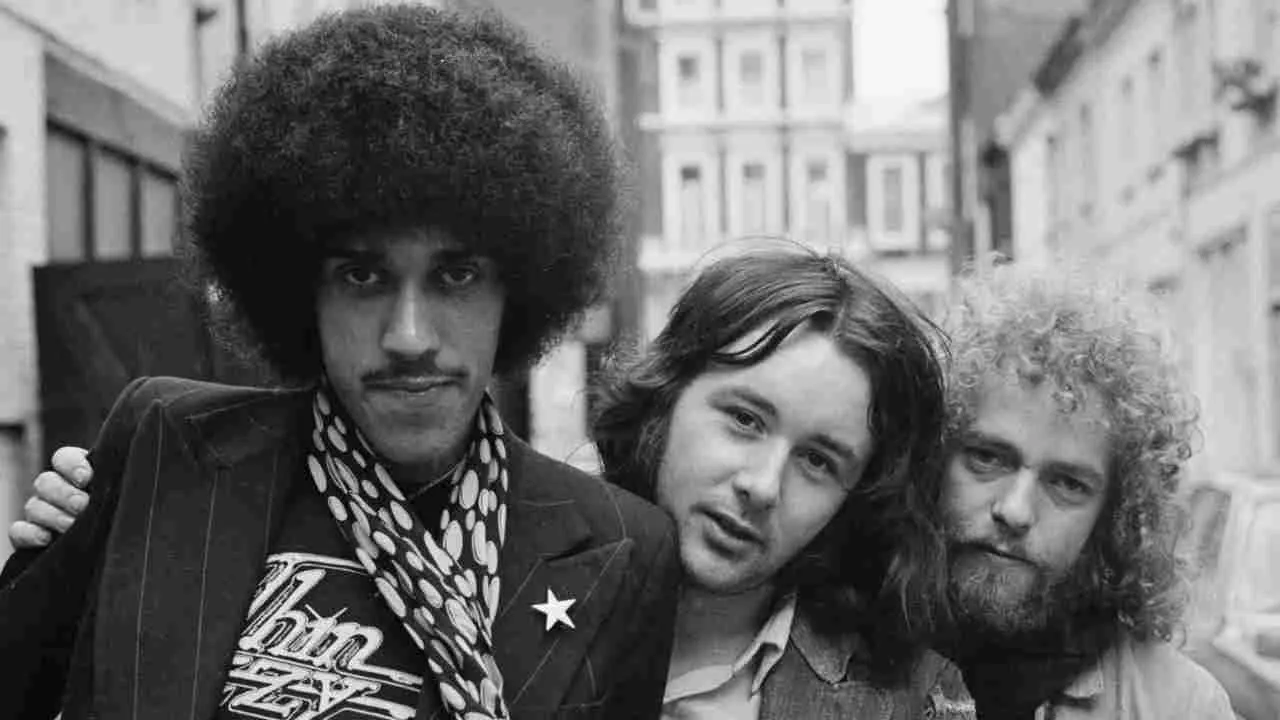
Guitarist Scott Gorham has recalled his initial reaction to "Whiskey In The Jar," the traditional Irish folk song Thin Lizzy turned into their breakthrough 1972 hit, revealing that he actively disliked the track when he joined the band in 1974 and later pushed to have it dropped from their setlist. The anecdote highlights the tension bands can face when an early hit overshadows their evolving sound, with Gorham viewing the song as a mismatch for the "new" Thin Lizzy he was helping shape rather than a beloved signature tune.
Gorham described being given the band's records by frontman Phil Lynott on the night he was asked to join, only to be baffled by the song's arrangement compared to what he had heard at rehearsal. After around six months of performing it, he told Lynott the song had become unnecessary given the band's new lineup and direction, and Lynott reportedly agreed, saying they should drop it. The piece frames the single as both the song that gave Thin Lizzy their commercial breakthrough and a creative "albatross" the band later sought to move beyond.
In short
- Scott Gorham disliked Thin Lizzy's hit "Whiskey In The Jar" from the start.
- He heard it for the first time after joining the band in 1974.
- He later convinced Phil Lynott to drop it from their sets.
Steelman: both sides, in good faith
The strongest fair case each way — we don't pick a winner.
The case for
A band's artistic integrity and creative evolution deserve priority. Gorham and the revitalised Thin Lizzy were forging a distinctive sound that better reflected their capabilities, and tethering themselves to a folk-pop novelty from before his era risked constraining that vision and producing uninspired performances. Moving forward artistically, rather than being imprisoned by past commercial success, allows musicians to grow authentically and deliver work that genuinely represents them.
The case against
"Whiskey in the Jar" was the foundation enabling Thin Lizzy's existence as a viable touring and recording entity, and it created the initial fan base that subsidised their subsequent artistic exploration. For audiences, especially those who discovered the band through that hit, the song remains meaningful and emblematic. There is legitimate merit in honouring a band's legacy contributions and acknowledging earlier members' work, whilst also recognising that audiences deserve the songs that drew them to the band in the first place.
Explained simply
Thin Lizzy were an Irish rock band who found commercial success in 1972 with "Whiskey in the Jar," a traditional Irish folk song. The single became their breakthrough hit and launched them to international recognition.
The band's membership and musical direction evolved significantly in the years that followed. When new members like guitarist Scott Gorham joined in 1974, the group began moving away from their folk roots towards a heavier rock sound.
Early hits can create complications for bands as their sound develops, as the commercially successful track may no longer align with their current artistic direction. This tension between what made a band famous and where they want to go creatively is a recurring challenge in the music industry.