Health news and discussion on TalkFuse.
GLP-1 drugs could reduce long-term sick leave: Study
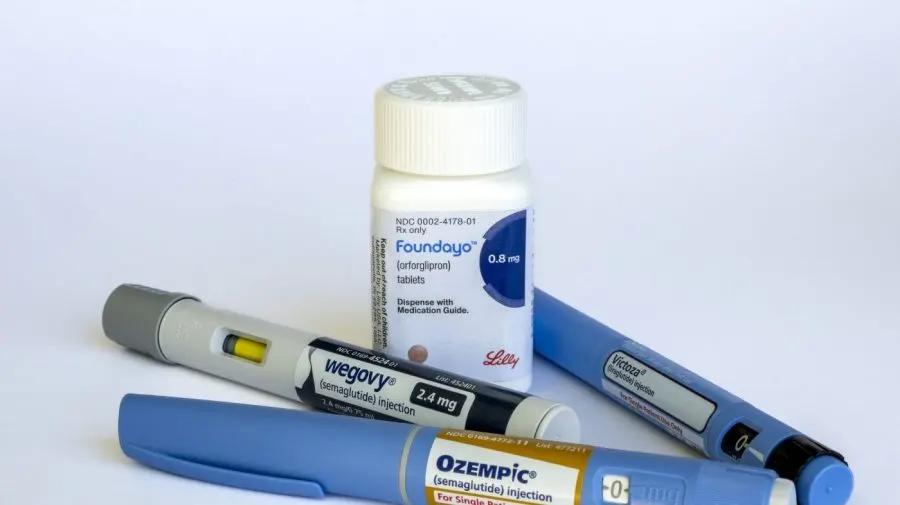
A Danish study has found that people treated with GLP-1 medicines, including drugs used for diabetes and weight management, took less long-term sick leave. The finding suggests that the medicines’ health benefits may also improve workers’ ability to remain in employment, with possible implications for employers and public finances.
Using linked administrative data, researchers estimated that GLP-1 treatment reduced long-term sickness absence by 17.3 per cent. Before treatment, 5.5 per cent of the workers studied took sick leave lasting more than 30 days; the research was published as a working paper, so its findings should be interpreted as preliminary.
In short
- GLP-1 treatment was linked to 17.3 per cent less long-term sick leave.
- The evidence came from linked Danish worker and health data.
- The study is preliminary and published as a working paper.
Steelman: both sides, in good faith
The strongest fair case each way — we don't pick a winner.
The case for
The study demonstrates that GLP-1 treatment delivers real-world health benefits with tangible social value. By improving health sufficiently for people to remain in work and economically independent, these medicines reduce burden on welfare systems whilst enhancing employment security and quality of life. This evidence of meaningful benefit, measured through employment outcomes alongside clinical improvements, supports the case for these treatments as beneficial for individuals and society.
The case against
Whilst GLP-1 drugs offer genuine health benefits, framing pharmaceutical success in terms of reduced sick leave raises concerns. These medicines are expensive and not equally accessible, potentially widening health inequity; workplace or policy pressure might discourage workers from taking needed leave despite underlying conditions; and most importantly, pharmaceutical value should be judged by clinical health outcomes, not economic productivity. This preliminary finding should not be used to promote these drugs primarily as a workforce productivity measure.
Explained simply
GLP-1 medicines are a class of drugs originally developed to treat type 2 diabetes. These drugs have recently become increasingly used for weight management as well, and are now prescribed to many people for both conditions. They have generated significant media attention in recent years owing to their effectiveness.
A new Danish study has examined whether these medicines might help keep people in work. The research found that people taking GLP-1 drugs were significantly less likely to take extended periods of sick leave, with data suggesting a reduction of around 17 per cent in long-term absences.
The findings could have implications beyond personal health, as they suggest these medicines might help reduce time lost to illness-related absences from work. This could affect employers managing staffing costs and absences, and governments managing welfare spending and public finances. However, the research is still in its early stages and needs further investigation to confirm its findings.
Health Medicine Politics Research Science