New releases, music videos and album news — indie, rap, rock and pop. Always covering Ren, Chris Webby, Sam Tompkins, bbno$, CHINCHILLA, Muse, Yungblud and more.
The director Steven Spielberg flew across America to yell at: “He was screaming at him”
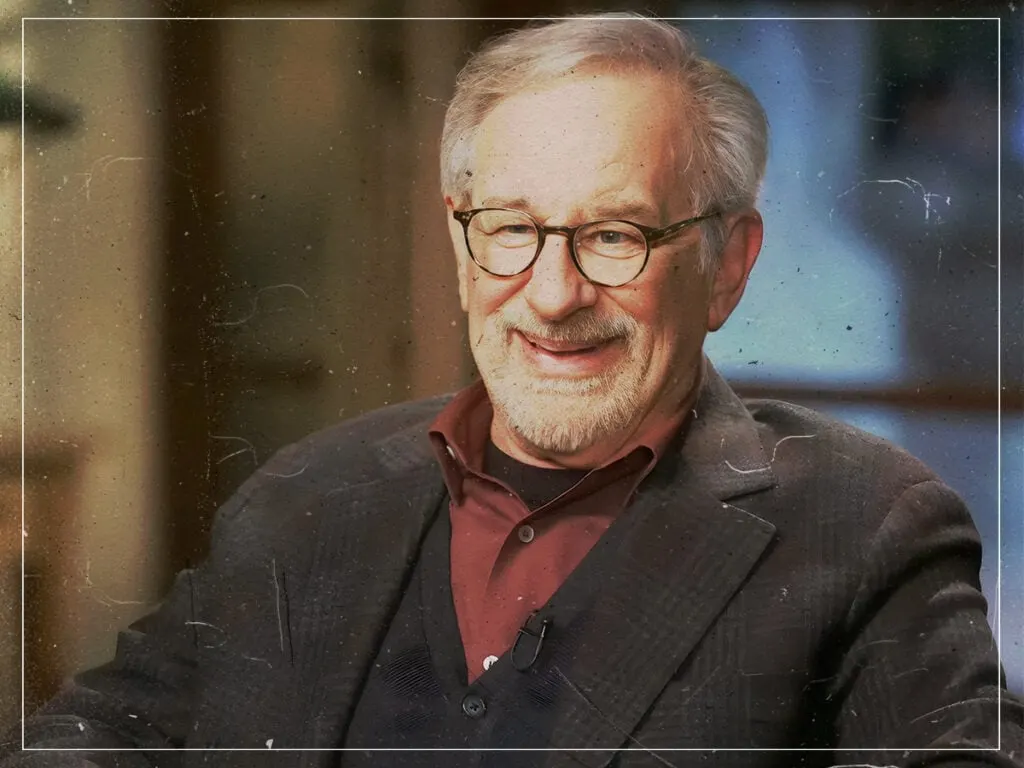
During production of the 1996 disaster film *Twister*, Steven Spielberg reportedly flew to Oklahoma to reprimand director Jan de Bont after a confrontation on set triggered a walkout by several crew departments. The incident matters because it illustrates Spielberg’s unusually hands-on approach as producer through Amblin Entertainment when a production risked being disrupted.
The dispute followed de Bont allegedly pushing a camera assistant into a ditch and then refusing to apologise. Cinematographer Don Burgess’s crew walked out, followed by sound and wardrobe staff; within 24 hours, Spielberg arrived by private jet, shouted at de Bont from the aircraft ramp for roughly 15 minutes, and left without stepping onto the ground.
In short
- Spielberg intervened after *Twister*’s crew staged a walkout.
- De Bont allegedly pushed an assistant and refused to apologise.
- Spielberg reportedly reprimanded him during a brief private-jet visit.
Steelman: both sides, in good faith
The strongest fair case each way — we don't pick a winner.
The case for
De Bont's alleged conduct—physically pushing a crew member into a ditch and refusing to apologise—was serious workplace misconduct. When multiple departments walked out, standard management had failed to resolve the crisis. Spielberg, as producer, had a fiduciary duty to his production and a moral responsibility to his crew. His swift, dramatic intervention effectively resolved the crisis when other approaches had not.
The case against
Even if de Bont's behaviour was problematic, Spielberg's response—arriving by private jet to publicly berate him—was unprofessional and excessive. Public humiliation does not resolve underlying issues and there are proper channels for addressing such conflicts. We hear only one account of events; de Bont's perspective deserves consideration. A producer's responsibility includes handling disputes with maturity and discretion, not theatrical displays of power.
Explained simply
Twister was a disaster film made in 1996 and produced through Steven Spielberg's Amblin Entertainment. The production took place in Oklahoma and involved large crews across multiple departments, including cinematography, sound, and wardrobe.
During filming, an incident occurred between the director Jan de Bont and a camera assistant, in which de Bont allegedly pushed the assistant into a ditch. When de Bont refused to apologise, crew members from the cinematography department walked out, followed by those in sound and wardrobe, effectively halting production.
When major crew departments abandon a production, it can halt filming and waste significant time and money. As the film's producer, Spielberg took direct action to address the crisis, reflecting the considerable authority producers wield to resolve disputes that threaten production.