Why do phones still use battery when powered off?
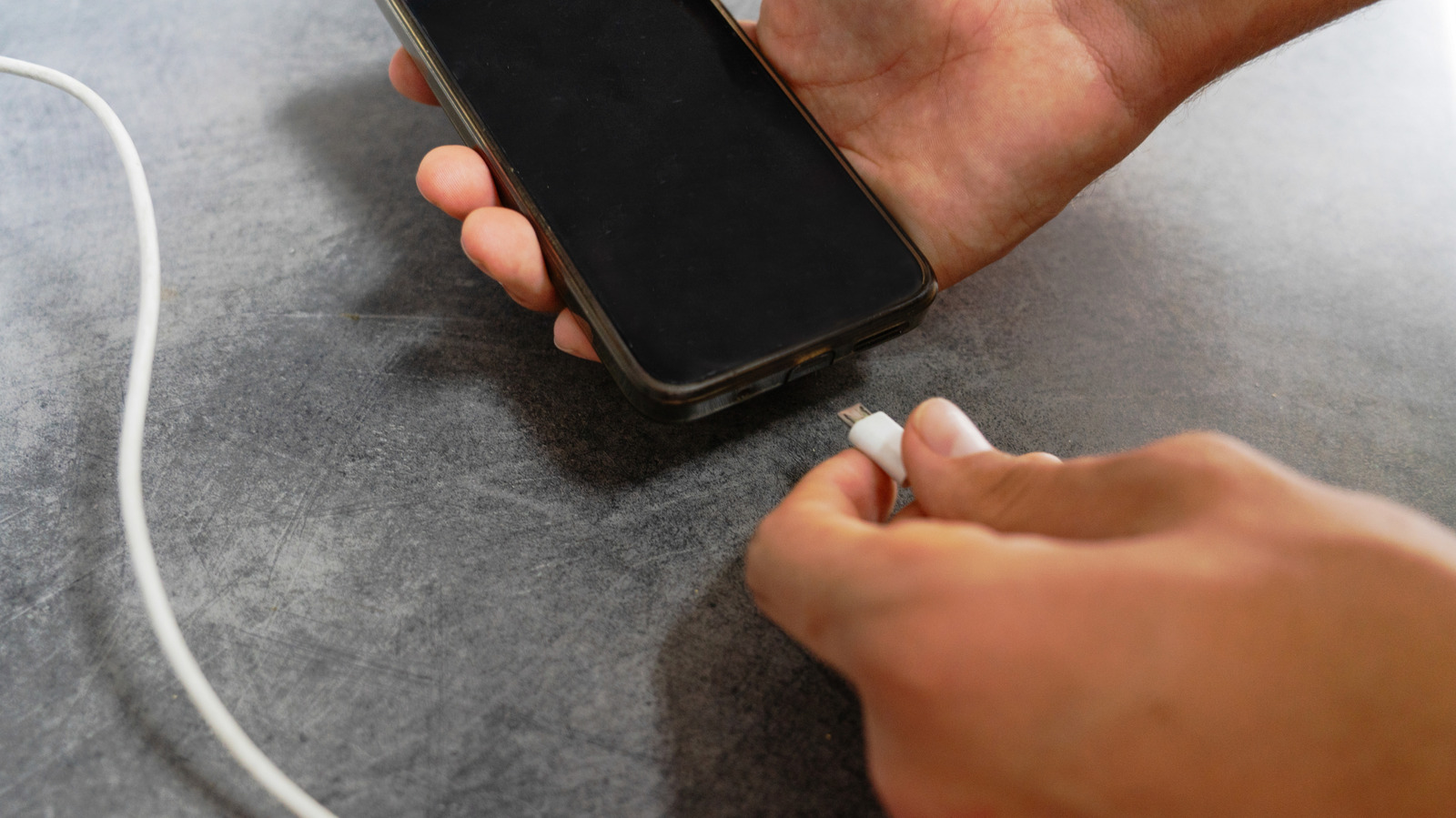
Smartphone batteries continue to lose charge even when the device is fully powered off, according to Engadget, which explains why a phone left untouched for weeks or months is never at the same percentage it was when switched off. This matters because owners often assume powering down "freezes" the battery entirely, but a small drain still occurs, meaning devices stored for long periods can end up damaged or completely dead without warning.
Two mechanisms cause this: a low-power clock-and-wake circuit that keeps the power button responsive and preserves the correct time, and "self-discharge", a natural chemical process in lithium-ion batteries that causes a loss of roughly 1-2% of charge per month, faster in warm conditions. Devices left switched on drain far quicker, as screens, radios and background apps keep consuming power. For long-term storage, Apple recommends charging a phone to around 50% rather than full or empty, and topping it up every six months, since a prolonged "deep-discharge" state can permanently damage battery capacity or even risk a short circuit; phones should also be kept in a cool, dry place below 90°F (32°C).
- Phones drain slowly even when fully powered off, via self-discharge.
- Lithium-ion batteries lose about 1-2% charge monthly when off.
- Store phones at ~50% charge, topped up every six months, to avoid damage.