Entertainment news and discussion on TalkFuse.
Resident Evil Director Knows RE2 Didn’t Have Snow or iPhones, But He ‘Took Liberties’ to Make the Movie Better
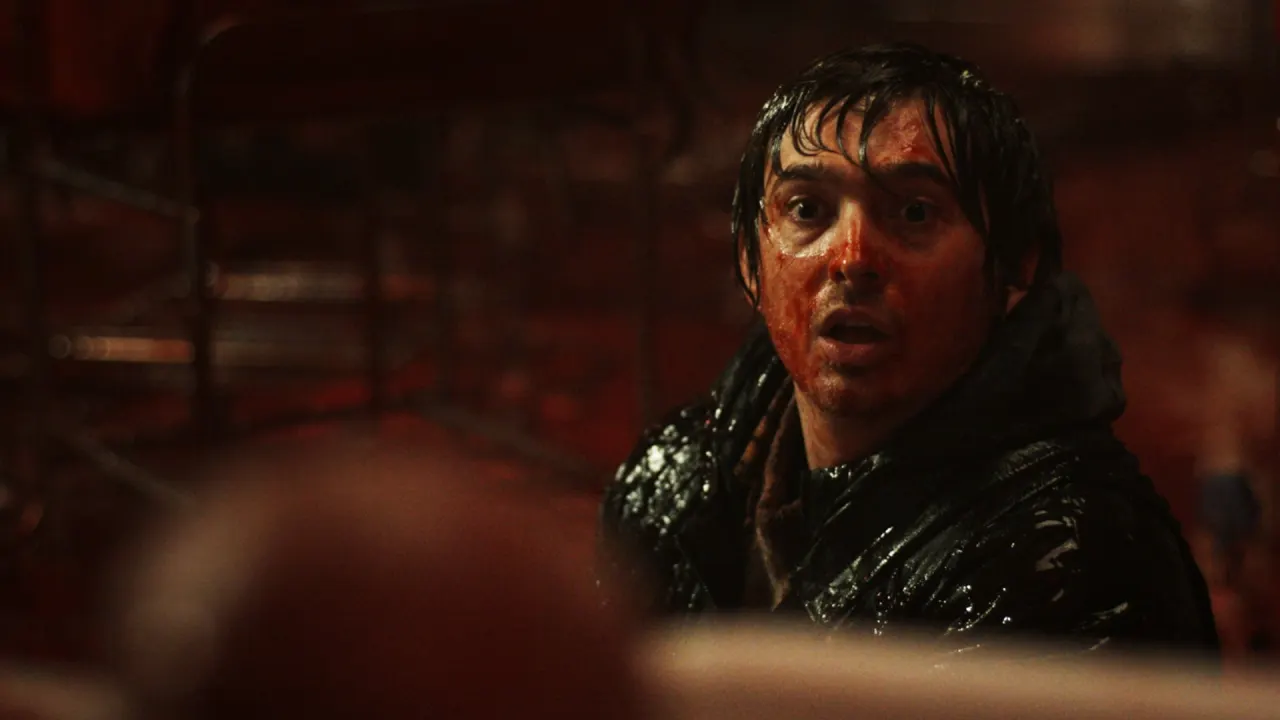
Resident Evil director Zach Cregger has addressed criticism over his upcoming film's snowy setting and modern-day touches like iPhones, which depart from the source material's late-1990s, rainy Raccoon City setting. Speaking at San Diego Comic-Con 2026 following the release of a new trailer, Cregger explained that he deliberately "took liberties" with the games' lore because he believes the changes serve the story and visuals better, rather than attempting a strict adaptation.
Cregger stressed he is not trying to replicate the games' characters or plot beat-for-beat, arguing that Leon, Claire and the other games' cast are already perfectly realised in that medium and any live-action version would likely fall short. Instead, he wants his film to capture the feel of playing a Resident Evil game, retaining essential elements such as the T-Virus, Umbrella Corporation and Raccoon City, while structuring the story around a single character moving between distinct, threat-filled locations, much like the games' level design.
In short
- Cregger defends snowy, modern setting as a deliberate departure from RE2's lore
- He says he isn't adapting the games' plot or characters directly
- Film aims to capture the feel of playing a Resident Evil game
Steelman: both sides, in good faith
The strongest fair case each way — we don't pick a winner.
The case for
A film director should prioritise creating an effective cinematic experience rather than achieving perfect source-material fidelity. Different mediums have fundamentally different requirements; what functions as level design in a game doesn't necessarily translate to compelling cinema. Cregger's argument that attempting to replicate the games' character arcs would be redundant—since the games already realise them perfectly—has genuine merit. By instead capturing the essence of a Resident Evil experience—the tension of traversing dangerous spaces, Umbrella's sinister machinations, the T-Virus threat—the film can offer something distinctly valuable that complements rather than mimics the source material.
The case against
Adapting an established property carries an implicit obligation to audiences who invested in that material. The specific aesthetic, time period and environmental details of Raccoon City in the late 1990s aren't incidental flourishes; they're integral to the identity and atmosphere that made Resident Evil distinctive. Fundamentally altering these elements—shifting from rainy to snowy, from period-accurate to contemporary—changes the tonal foundation fans cherished. If the objective is merely to produce a generic survival-horror film, one might reasonably question why use the Resident Evil name at all rather than create original work with complete creative freedom.
Explained simply
Resident Evil is a long-running horror video game franchise where players fight infected creatures and solve puzzles in dangerous locations. The original games, released in the late 1990s, are set in the rainy American city of Raccoon City and have attracted millions of fans.
A new live-action film based on the games is in development, directed by Zach Cregger. The film features snow and modern devices like iPhones, which differ from the games' late-1990s setting, prompting questions about the director's approach to the material.
Cregger has explained that he is not attempting a faithful recreation of the games' plot and characters. Rather, he wants to capture the experience of playing Resident Evil, keeping the core story elements from the games while making creative changes he believes enhance the film's visuals and storytelling.
Entertainment Film Gadgets Gaming Horror Technology