Politics news and discussion on TalkFuse.
Apple, Google news algorithms suppressed negative stories on Michigan Senate hopeful El-Sayed, study says
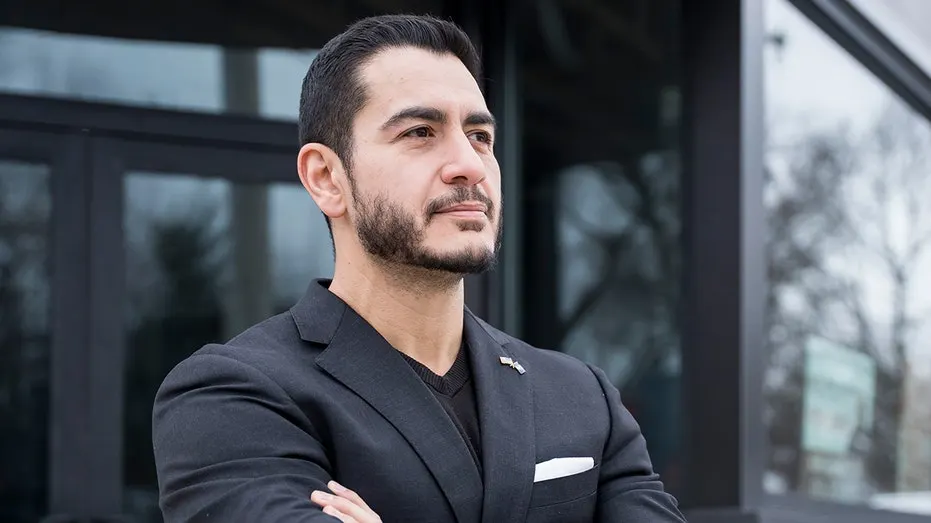
A study by the conservative-leaning Media Research Center claims that Apple News and Google News algorithms failed to surface negative coverage of Abdul El-Sayed, a progressive Democratic candidate for the Michigan Senate, in their top morning news stories. The finding feeds into broader claims from conservative commentators that major tech platforms' news curation systems favour left-leaning candidates by shielding them from critical scrutiny, a charge that has recurred in previous election cycles regarding Apple and Google's news products.
According to the report, no negatively framed headlines about El-Sayed appeared among the top 20 morning stories reviewed on the two platforms after 1 February. Separately, Fox News coverage has highlighted criticism of El-Sayed from other angles, including his reported 2025 household income of $686,069, well above Michigan's median, and his association with streamer Hasan Piker, who has faced controversy over past comments on the September 11 attacks.
In short
- Study claims Apple, Google News hid negative stories on El-Sayed.
- Media Research Center reviewed top 20 morning stories since 1 February.
- Critics also cite El-Sayed's high income and ties to controversial streamer.
Steelman: both sides, in good faith
The strongest fair case each way — we don't pick a winner.
The case for
A study documenting that Apple News and Google News failed to surface any negatively framed coverage of a Democratic candidate in their top 20 stories raises legitimate concerns about algorithmic curation potentially suppressing critical scrutiny of certain candidates. If tech platforms' news algorithms systematically treat coverage of progressive and conservative candidates differently, this matters for democratic accountability, particularly when these platforms have become major sources of political information for many voters. The accusation merits investigation regardless of the source, as the integrity of news curation systems in elections deserves scrutiny from all political perspectives.
The case against
A single study examining one candidate's coverage over a limited period, particularly from a partisan source, does not establish systematic algorithmic bias. News algorithms operate on complex, multifactorial systems incorporating engagement metrics, source reliability, newsworthiness, and content distribution, not explicit political programming. The absence of negatively framed headlines could simply reflect that major news outlets published fewer critical stories during that timeframe, rather than evidence of algorithmic suppression. Without comparative analysis showing differential treatment of candidates across the political spectrum, and without demonstrating intentionality rather than incidental outcome, drawing conclusions about platform bias risks conflating complex algorithmic behaviour with deliberate political censorship.
Explained simply
Abdul El-Sayed is a progressive Democrat running for a Michigan Senate seat. Apple News and Google News are platforms that use algorithms to select and display news stories in users' daily news feeds.
A conservative-leaning research group called the Media Research Center published a study claiming that both platforms' algorithms suppressed negative coverage of El-Sayed. According to the research, no negatively framed stories about him appeared in the top 20 news stories on either platform after 1 February. This reflects broader allegations from conservative commentators that major tech platforms' news curation systems favour left-leaning political candidates.
Questions about whether tech platforms treat political candidates fairly through their algorithms have been raised repeatedly during recent election cycles. This matters because millions of people rely on these platforms to discover news and form their understanding of political candidates and events.
Government Politics Research Science World