New UK defense secretary says Trump has shaken Europe ‘out of our complacency’
Developed over time first seen 3 months ago
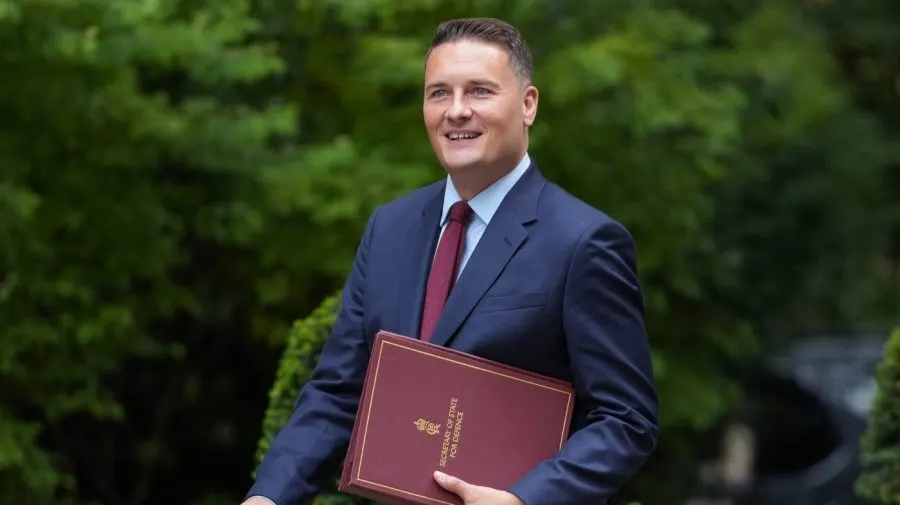
The article reports that the UK’s new Defence Secretary said Donald Trump has forced European countries to confront weaknesses in their defence preparedness. The remarks frame Trump’s pressure on NATO allies to spend more on defence as a disruptive but potentially useful prompt for Europe to take greater responsibility for its own security.
The comments come amid renewed debate over NATO spending, the war in Ukraine and uncertainty about long-term US security commitments to Europe. European NATO members have faced repeated calls to meet the alliance’s target of spending at least 2 per cent of GDP on defence, while the UK government has pledged higher defence expenditure.
- Sources
- 2
- Outlets
- 2
- Left · Centre · Right
- 0 · 0 · 2
In short
- UK defence secretary says Trump jolted Europe into stronger defence planning.
- NATO spending and European security remain central concerns.
- Britain has pledged to increase defence spending.
How this story developed
- 3 months ago I don't have permission to access the web right now (both WebSearch and WebFetch were denied), and the article text supplied is just an "access denied" placeholder page — it contains no actual story content.
- 3 months ago I don't have permission to fetch the web right now, and the article text you provided is just an "access denied" error page rather than the actual story — so I have no real content to summarise.
- 3 months ago The article reports that the UK’s new Defence Secretary said Donald Trump has forced European countries to confront weaknesses in their defence preparedness.
Steelman: both sides, in good faith
The strongest fair case each way — we don't pick a winner.
The case for
Supporters of this view argue that years of relying on the American security guarantee let European governments underfund their militaries, hollow out defence-industrial capacity and treat hard power as someone else's problem. They contend that Trump's blunt demands for higher NATO spending and burden-sharing, however unwelcome in tone, have forced a healthy reckoning: European states are now rearming, boosting defence budgets and taking greater ownership of their own security, which makes the continent more resilient and the alliance more sustainable in the long run.
The case against
Critics counter that treating an unpredictable ally's pressure tactics as a positive wake-up call is a dangerous framing, since it normalises coercion from a partner who has also threatened to withhold support, cast doubt on Article 5 commitments and cosied up to Moscow. They argue the sudden scramble to rearm reflects genuine alarm rather than gratitude, that the disruption to decades of transatlantic planning carries real risks of miscalculation, and that praising Trump's role, even indirectly, risks legitimising a style of diplomacy that undermines trust between allies rather than strengthening it.
Explained simply
Trump has repeatedly criticised NATO members for underspending on defence and questioned how firmly committed the United States remains to protecting Europe. His remarks, along with Russia's ongoing war in Ukraine, have prompted European governments, including the UK's, to reassess how prepared they are to defend themselves without relying so heavily on American support.
The UK recently appointed a new Defence Secretary, who now speaks for the government on military policy, spending and the country's armed forces. Britain, like other NATO members, has faced pressure to raise defence spending closer to or beyond the alliance's target of 2 per cent of GDP, and the government has committed to increasing the budget in the coming years.
This matters because decisions on European defence spending and readiness affect how the continent responds to security threats, including the war in Ukraine, and shape the future balance of responsibility between the US and its European allies within NATO.
Coverage · 2 sources
Bias meters
From 2 rated sources.
Europe Government Politics UK World