Burnham will host Zelensky at Downing Street today as his first international leader since becoming PM – and vows UK’s support for Ukraine is ‘unwavering’
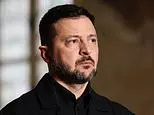
Andy Burnham is set to host Ukrainian President Volodymyr Zelensky at Downing Street, marking the first visit by a foreign leader since Burnham became Prime Minister. The meeting underscores the new government's intent to maintain continuity in Britain's support for Kyiv amid the ongoing war with Russia, with Burnham using the occasion to declare that UK backing for Ukraine remains "unwavering".
Details of the visit's agenda were not fully outlined, but the symbolism of choosing Zelensky as his first international guest signals that Ukraine remains a foreign policy priority under the new premiership. The visit comes against a backdrop of wider tensions, including reports of Iran threatening to strike Ukraine over an alleged attack on a ship carrying military hardware to Russia, highlighting the volatile international context surrounding the talks.
In short
- Burnham hosts Zelensky as his first foreign leader visit as PM
- Burnham vows UK support for Ukraine is "unwavering"
- Visit comes amid rising Iran-Ukraine tensions over a ship attack
Steelman: both sides, in good faith
The strongest fair case each way — we don't pick a winner.
The case for
Supporters of Sir Andy Burnham's approach would argue that hosting Zelensky as his first foreign guest sends an unambiguous signal that Britain's commitment to Ukraine's sovereignty is not hostage to a change of prime minister. They would say that continued military, financial and diplomatic backing is a matter of principle and long-term security, deterring aggression against a sovereign nation and reassuring allies that the UK remains a dependable partner in NATO and Europe. Maintaining and even reinforcing this support, on this view, also strengthens Britain's hand in shaping any eventual peace settlement.
The case against
Others would contend that unwavering, open-ended support risks locking Britain into an expensive commitment at a time of strained public finances, with money that could address domestic pressures such as the cost of living, the NHS or housing. A thoughtful critic might argue that new leadership offers a natural moment to reassess strategy, push harder for a negotiated settlement, or ensure that support is matched by allies rather than disproportionately borne by the UK. They would insist this is not indifference to Ukraine's plight but a genuine concern that policy be sustainable and proportionate rather than symbolic.
Explained simply
Ukraine has been at war with Russia since February 2022, when Russia launched a full-scale military invasion that has claimed thousands of lives and displaced millions. The outcome of the war remains uncertain and is of significant concern to Western governments.
Volodymyr Zelensky is President of Ukraine and has led his nation's defence and international efforts throughout the conflict. He has become a prominent international figure, appealing to Western democracies for military support, weapons supplies and financial aid to help Ukraine resist Russian forces.
The United Kingdom is among several Western nations that have provided substantial military and financial support to Ukraine since the invasion began. This backing has become a key element of British foreign policy, reflecting both the strategic importance of the conflict to European security and shared values between the two countries.
Business Europe Government Markets Politics World