Technology news and discussion on TalkFuse.
Foxconn drops VMware, adopts hyperconverged upstart Arcrfra for workloads including AI
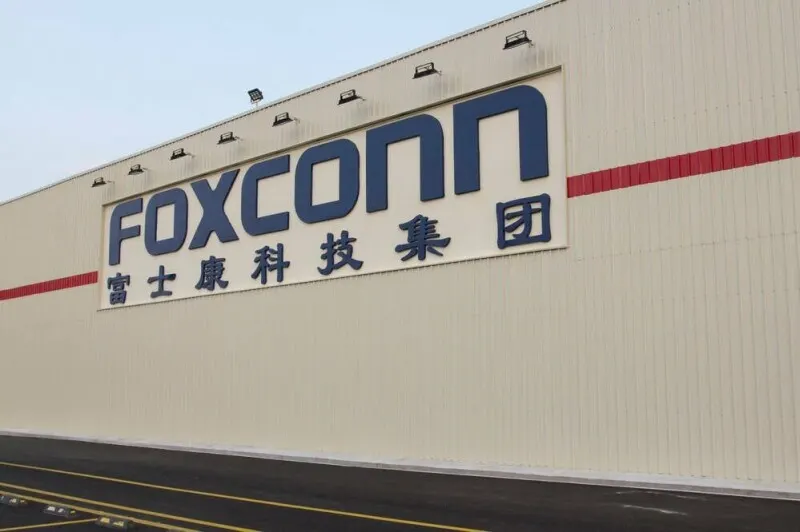
Foxconn, the Taiwanese electronics manufacturing giant, has adopted hyperconverged infrastructure from Singaporean start-up Arcfra to replace VMware in some remote offices and to handle GPU virtualisation workloads, including AI. The move is significant because it makes Foxconn another high-profile defector from VMware since owner Broadcom overhauled its licensing and product strategy, joining other large organisations such as Tesco, Western Union and Allstate Insurance that have also moved away from the platform.
Arcfra, which launched in 2024 and was named in Gartner's Market Guide for Full-Stack HCI Software the following year, recently updated its Neutree model-as-a-service platform with native GPU virtualisation and model governance features. According to a case study Arcfra shared, Foxconn's branch companies had found their legacy VMware and SAN storage set-up costly and difficult to scale, and it has now deployed Arcfra across factories in mainland China, Taiwan, Vietnam and North America, using it for intranet, ERP, manufacturing management, production line systems, DevTest environments and virtual desktops. Foxconn did not respond to requests for further comment, while Broadcom separately announced a $200 billion chip and memory supply deal with Samsung.
In short
- Foxconn ditches VMware for start-up Arcfra's hyperconverged infrastructure platform
- Arcfra's Neutree now handles AI, ERP and factory systems across four countries
- Foxconn joins Tesco, Western Union and others leaving VMware post-Broadcom
Steelman: both sides, in good faith
The strongest fair case each way — we don't pick a winner.
The case for
Broadcom invested heavily to acquire VMware and must deliver returns to shareholders. Restructuring the licensing and product strategy to maximise profitability is economically rational and necessary. Premium enterprise software rightfully commands premium pricing, and customers valuing stability, support, and proven reliability can choose to remain. The emergence of alternatives like Arcfra proves market competition is healthy, and companies cannot be expected to indefinitely subsidise customers through unfavourable licensing terms.
The case against
Broadcom's aggressive licensing restructuring broke decades of customer trust by appearing extractive rather than value-adding. The exodus of major corporations like Tesco, Western Union and Allstate demonstrates that Broadcom fundamentally misjudged both its market position and customers' willingness to accept price increases. Prioritising short-term margin expansion over sustainable market leadership is strategically counterproductive, as competitors like Arcfra exploit the gap Broadcom created. This suggests Broadcom sacrificed long-term market dominance for short-term profits.
Explained simply
Foxconn, a Taiwanese company that manufactures electronics for major brands worldwide, is replacing software from VMware with a newer platform called Arcfra across several of its facilities. VMware is infrastructure software that companies have relied on for decades to manage their computer systems and operations, allowing them to run multiple applications efficiently on shared hardware.
The switch reflects growing dissatisfaction with VMware since its owner, Broadcom, made significant changes to how the software is licensed and sold. Other large organisations including retailers and financial services firms have similarly moved away from VMware in recent years, finding it increasingly costly or difficult to work with under the new ownership.
Arcfra is a start-up based in Singapore that launched its infrastructure platform in 2024 and has now gained recognition as a credible alternative. Foxconn's adoption, particularly for powering artificial intelligence workloads in its manufacturing operations, represents validation that newer competitors can now handle the demanding tasks that VMware has traditionally dominated.
AI Art Asia Business Celebrity Companies Culture Entertainment Technology World