Graham compared Trump and Netanyahu to FDR and Churchill, new footage shows
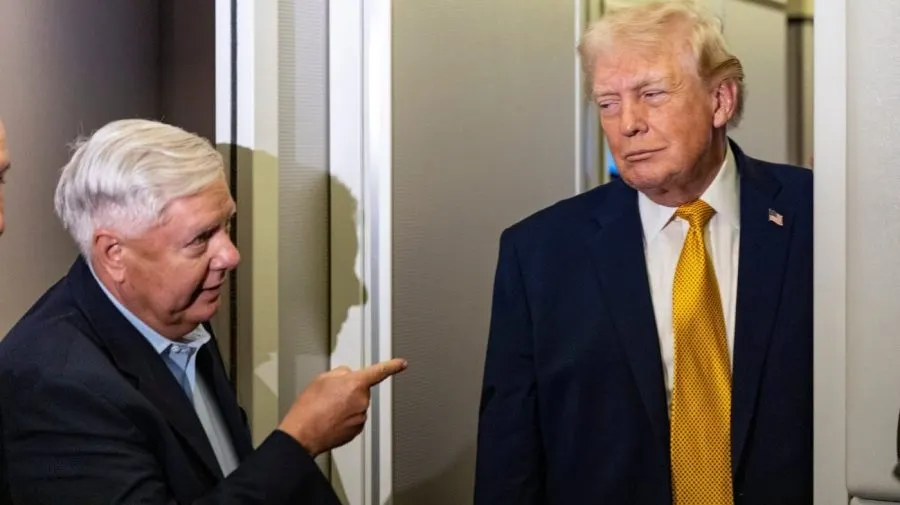
Previously unreleased documentary footage shows Senator Lindsey Graham comparing President Trump and Israeli Prime Minister Benjamin Netanyahu to Franklin D. Roosevelt and Winston Churchill, casting their approach to Iran as a stand against “evil”. The remarks draw attention to Graham’s behind-the-scenes advocacy for US military involvement in the Middle East and his influence on Trump’s foreign-policy decisions.
The footage, reportedly filmed by documentarian Alex Holder, includes a March telephone exchange in which Graham discussed travelling to Florida to persuade Trump to support Israeli strikes against Hezbollah in Lebanon. Graham was a longstanding supporter of stronger action against Iran, although the footage reportedly indicates Netanyahu at times urged greater caution than Graham; it emerged after Graham’s death earlier this month.
In short
- Footage shows Graham likening Trump and Netanyahu to Roosevelt and Churchill.
- He pushed Trump towards greater Middle East military involvement.
- The recordings reportedly include a plan concerning strikes on Hezbollah.
Steelman: both sides, in good faith
The strongest fair case each way — we don't pick a winner.
The case for
Those defending Graham's advocacy argue that Iran and its proxies represent a genuine threat to regional stability, Israeli security, and American interests. The historical comparison to FDR and Churchill reflects the conviction that standing against expansionist powers with military capability and hostile intent can be necessary; supporters point to Iran's nuclear programme, ballistic missile development, and support for militant groups as justifying stronger deterrence measures and military action against proxies threatening allies.
The case against
Critics contend that decades of military intervention in the Middle East have repeatedly produced unintended consequences and instability without achieving lasting strategic objectives. They argue the historical comparisons are inapt and risk escalating tensions; instead, they favour diplomatic solutions and believe such military-focused strategies overlook underlying political and economic factors fuelling regional conflict. They also express concern about whether one senator's outsized influence over presidential foreign policy decisions serves democratic accountability.
Explained simply
Lindsey Graham was a Republican senator from South Carolina known for his influential voice on American foreign policy. For decades, he was one of the strongest advocates in Congress for military action against Iran and its allies in the Middle East.
Graham and Donald Trump developed a close relationship, with Graham becoming a key advisor on Middle East policy during Trump's time in office. He repeatedly urged stronger American responses to Iran's regional activities and military capabilities.
The broader context is the long-standing rivalry between the United States and Iran, and America's strong support for Israel. Graham's significance lies in how he shaped decisions on military and diplomatic policy through his close personal relationship with Trump, showing the influence individual politicians can exert on national security strategy.
Entertainment Film Government Middle East Politics World