Culture news and discussion on TalkFuse.
The 1979 Billy Joel song that wouldn’t exist without Chinese food
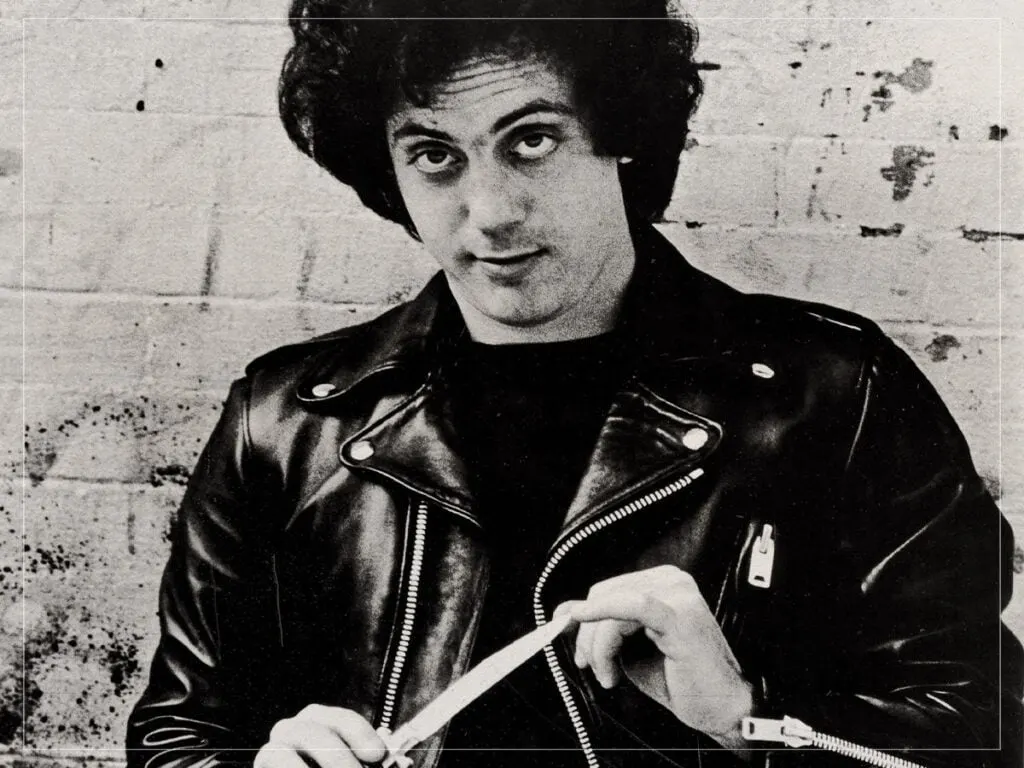
The article recounts how a Billy Joel song from 1979 was shaped during a recording session in which Chinese takeaway helped set the band’s rhythm and mood. It presents the anecdote as an example of how informal studio routines and group chemistry could influence Joel’s finished music.
Producer Phil Ramone said the musicians often worked late, experimented with ideas and used humour to sustain the sessions. He joked that the takes immediately before and after the Chinese food were especially important, suggesting breaks could refresh the players and improve performances. The account places the song within Joel’s late-1970s period, when he and his band were becoming more flexible and collaborative in the studio.
In short
- Chinese takeaway became part of a productive Billy Joel recording session.
- Producer Phil Ramone highlighted the value of pre- and post-meal takes.
- Studio spontaneity helped shape Joel’s late-1970s music.
Explained simply
Billy Joel is an American musician who became one of the most successful recording artists of the 1970s and 1980s. A 1979 song from his catalogue was shaped during a recording session in ways that the producers and musicians involved found memorable and worth discussing.
During the sessions to record this song, the band worked late into the night, experimenting with musical ideas and using humour to sustain momentum. Producer Phil Ramone noted that breaks in the work, including stops for Chinese takeaway food, seemed to refresh the musicians and led to notably strong performances.
The account illustrates how a recording artist's finished music is shaped not only by formal musical training and planning, but also by the everyday routines, group dynamics and informal moments that occur in the studio. Joel's late-1970s work was characterised by increasing flexibility and collaboration among band members, and this anecdote is an example of how such behind-the-scenes factors could influence what audiences eventually heard.
Culture Entertainment Food Music