Musk takes ‘crusade’ to Europe with Armie Hammer film
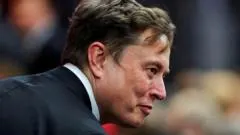
Elon Musk has drawn attention to a violent low-budget film, Citizen Vigilante, by making it free to view on his platform X, part of a broader pattern of the billionaire amplifying far-right ideas and figures across Europe. The film, directed by Uwe Boll and starring Armie Hammer, follows an American vigilante who kills police officers, judges and a refugee family in the name of opposing Muslim migrants and "woke" officials; Musk's promotion briefly pushed it to the top of streaming charts and he shared a post calling vigilante murder a "moderate response" to immigrant crime.
Analysts say the film is one example among many of Musk's growing engagement with extreme rhetoric since leaving the Trump administration and winding down his Doge project, including endorsements of Marine Le Pen in France, support for far-right activist Tommy Robinson, and boosting of right-wing parties in Germany, the Netherlands, Austria and the UK. He has also posted messages portraying white people as a threatened group, and shared protest locations from Robinson following a stabbing case in Northern Ireland. Experts, including King's College London's Georgios Samaras, describe this as a deliberate "crusade" in which Musk uses his wealth and platform influence to promote his preferred ideas, with his own social network X seen as both a vehicle for and shaper of his views.
In short
- Musk promoted violent anti-migrant film Citizen Vigilante free on X
- Part of pattern of Musk boosting far-right figures and parties in Europe
- Experts call it a deliberate "crusade" using his wealth and platform reach
Steelman: both sides, in good faith
The strongest fair case each way — we don't pick a winner.
The case for
Musk's promotion of this film, coupled with his public endorsement of vigilante violence and his coordinated engagement with far-right figures across Europe, suggests a deliberate use of his immense wealth and platform control to legitimise extremist ideology. The film explicitly depicts violence against vulnerable groups—police, judges, and a refugee family—and Musk's framing of such violence as a "moderate response" normalises political violence in a way that poses genuine democratic and social risks. When someone with his influence systematically amplifies far-right movements and violent rhetoric, it matters both morally and politically.
The case against
Musk is exercising fundamental rights—as a citizen and platform owner—to support ideas and figures he believes in, rights that protect all political speech in a free society. Making content available is not coercion; it allows viewers to choose what they watch, and objections to it often rely on contested judgments about what counts as "extremist" rather than objective harm. Concerns about his wealth and influence, whilst understandable, apply to any wealthy actor funding political causes—his visibility simply makes his involvement more apparent. In a liberal democracy, even billionaires retain the right to their political views.
Explained simply
Elon Musk is one of the world's richest businesspeople and owner of X, a major global social media platform with hundreds of millions of users. He has substantial control over what content is promoted on the platform and reaches its audience.
Over the past period, Musk has increasingly used X to amplify far-right political figures and ideas across Europe. This includes supporting politicians and activists from countries such as France, Germany and the United Kingdom, and spotlighting content that aligns with far-right ideologies.
Musk's influence matters because his personal choices about what to promote on X have enormous reach and real-world consequences. When he uses the platform to highlight particular figures or ideas, he dramatically increases their visibility and can influence wider public conversation.