World news and discussion on TalkFuse.
Measles Is Becoming So Common That Treatments May Soon Be Needed
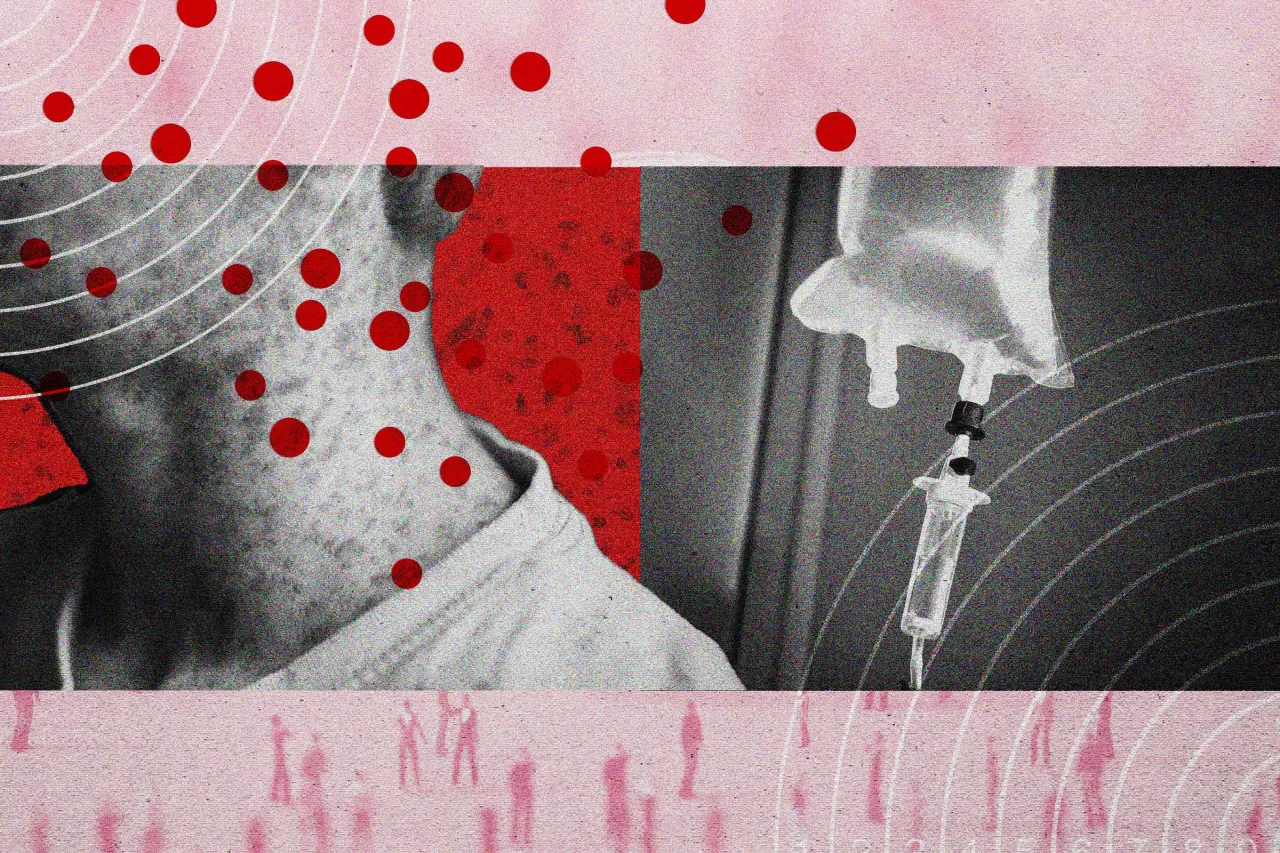
Measles cases in the US have hit a 35-year high, driven by falling vaccination rates and large outbreaks in states including South Carolina and Utah. In response, a small number of biotech firms and academic researchers have begun developing treatments for the disease, something that was previously seen as unnecessary given how effective vaccination has historically been. Any such treatments remain years away, and it is unclear whether people who refuse vaccination would be willing to accept them either.
US measles cases have already exceeded the 2,289 recorded for the whole of last year, up sharply from just 285 in 2024, despite it only being July. At least 95% vaccine coverage is normally needed to protect infants and immunocompromised people, but many communities now fall well short of that. With no measles-specific treatment currently available, doctors rely on supportive care, and companies such as Invivyd, alongside researchers at the La Jolla Institute for Immunology, are exploring monoclonal antibody therapies, though funding, manufacturing costs and the limited profitability of infectious-disease drugs pose significant hurdles.
In short
- US measles cases have hit a 35-year high amid falling vaccination rates
- Biotech firms and researchers are now developing measles-specific treatments
- Monoclonal antibody therapies remain years away and face funding challenges
Steelman: both sides, in good faith
The strongest fair case each way — we don't pick a winner.
The case for
The measles vaccination landscape has fundamentally changed—with coverage falling below the critical 95% threshold in many communities and cases surging to 35-year highs, vaccination alone is proving insufficient to maintain herd immunity. Developing monoclonal antibody treatments represents a practical, pragmatic response to this epidemiological reality, offering a medical backstop for vulnerable populations like infants and immunocompromised people who cannot be vaccinated themselves and now face genuine threat. Rather than dismissing treatment development as unnecessary, investing in multiple approaches—both strengthening vaccination efforts and developing therapeutics—reflects sound public health strategy.
The case against
Directing resources and attention towards treating measles diverts focus and funding from the genuine solution: restoring vaccination rates to protective levels. Investment in understanding and addressing vaccine hesitancy, improving public health communication, and ensuring vaccine access would more directly solve the crisis, whereas treatment development cannot restore herd immunity or protect vulnerable populations who remain dependent on community vaccination rates. The availability of treatments might paradoxically weaken the public imperative to vaccinate, and given that effective treatments remain years away whilst vaccination is available now, public health efforts should concentrate on the proven preventative measure rather than theoretical future therapies.
Explained simply
Measles is a highly contagious viral disease that was largely brought under control in the United States through widespread vaccination decades ago. The disease can cause serious complications, particularly in young children, pregnant women and people with compromised immune systems. However, declining vaccination rates have led to a resurgence, with cases now at their highest level in 35 years.
Because vaccination proved so effective in preventing the disease, doctors have never needed to develop specific treatments for measles itself. Instead, medical care has focused on managing symptoms whilst the immune system fights off the virus. Now that cases are rising sharply, researchers and biotech companies are beginning to explore monoclonal antibody treatments, which could help those who contract the disease.
The development of treatments is complicated by practical and financial challenges, including funding constraints and the limited commercial appeal of drugs for infectious diseases. Even if such treatments become available, it is unclear whether people hesitant about vaccination would be willing to use them. Measles remains a public health concern partly because vulnerable people cannot be vaccinated and rely on herd immunity, where most of the population is protected.
Americas Art Culture Health Medicine Research Science World