‘Militant’ trans group that urged people to ‘target MPs with hammers’ before Ann Widdecombe’s death should be banned, ex-political violence tsar says
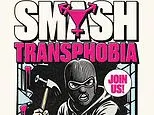
A former UK government adviser on political violence has called for a "militant" transgender rights group to be banned, after it reportedly urged supporters to "target MPs with hammers". The intervention came before the death of former Conservative minister Ann Widdecombe, and reflects growing concern in Westminster about extremism and threats directed at politicians.
The article's full details were not available beyond the headline, but it centres on claims that the group incited violent action against MPs, prompting the ex-political violence tsar to argue for its proscription. No further specifics on the group's identity, the scale of its activity, or the government's response were provided in the available text.
In short
- Ex-tsar urges ban on trans group over hammer threats to MPs
- Claims made before Ann Widdecombe's death
- Highlights concerns over political violence and extremism
Steelman: both sides, in good faith
The strongest fair case each way — we don't pick a winner.
The case for
Those who back a ban argue that calling for people to attack MPs with hammers is not political protest but a direct incitement to violence against elected representatives, and given the recent history of MPs being killed and threatened, the state has a duty to act before rhetoric turns into another attack. They see proscription as a proportionate response once a group has demonstrably crossed from advocacy into encouraging harm, arguing that disrupting its ability to organise and recruit protects both democracy and the personal safety of politicians and their staff. On this view, waiting for an attack before acting would be a serious failure of duty of care, and banning the group sends a clear signal that threats of violence against public servants will not be tolerated regardless of the cause invoked.
The case against
Those who oppose a ban argue that proscription is an exceptionally powerful tool, usually reserved for terrorist organisations, and applying it to a protest or activist group risks criminalising large numbers of people for association rather than for any violent act they have personally committed. They would point out that inciting violence is already a criminal offence, so individuals who make such threats can and should be prosecuted under existing law without resorting to banning an entire group, which they see as a blunt instrument that could chill legitimate, non-violent trans rights activism and set a precedent for suppressing other unpopular protest movements. On this view, robust criminal enforcement against specific threats better protects both public safety and the wider right to political dissent than proscription does.
Explained simply
Britain has faced growing concerns about threats and violence aimed at members of parliament in recent years. These incidents have prompted government officials and former advisers to debate how best to respond to groups or individuals that incite attacks on politicians.
A transgender rights campaign group is now at the centre of these concerns after reports that it encouraged supporters to target MPs with hammers. A former government adviser who specialised in tackling political violence has called for the group to be banned, claiming that its rhetoric crosses from legitimate advocacy into dangerous incitement.
The case highlights broader tensions in British politics between protecting freedom of speech and ensuring public figures' safety from genuine threats. How the government responds will influence ongoing debates about where the line should be drawn between free expression and state intervention.