This Is Donald Trump’s AI Brain Trust
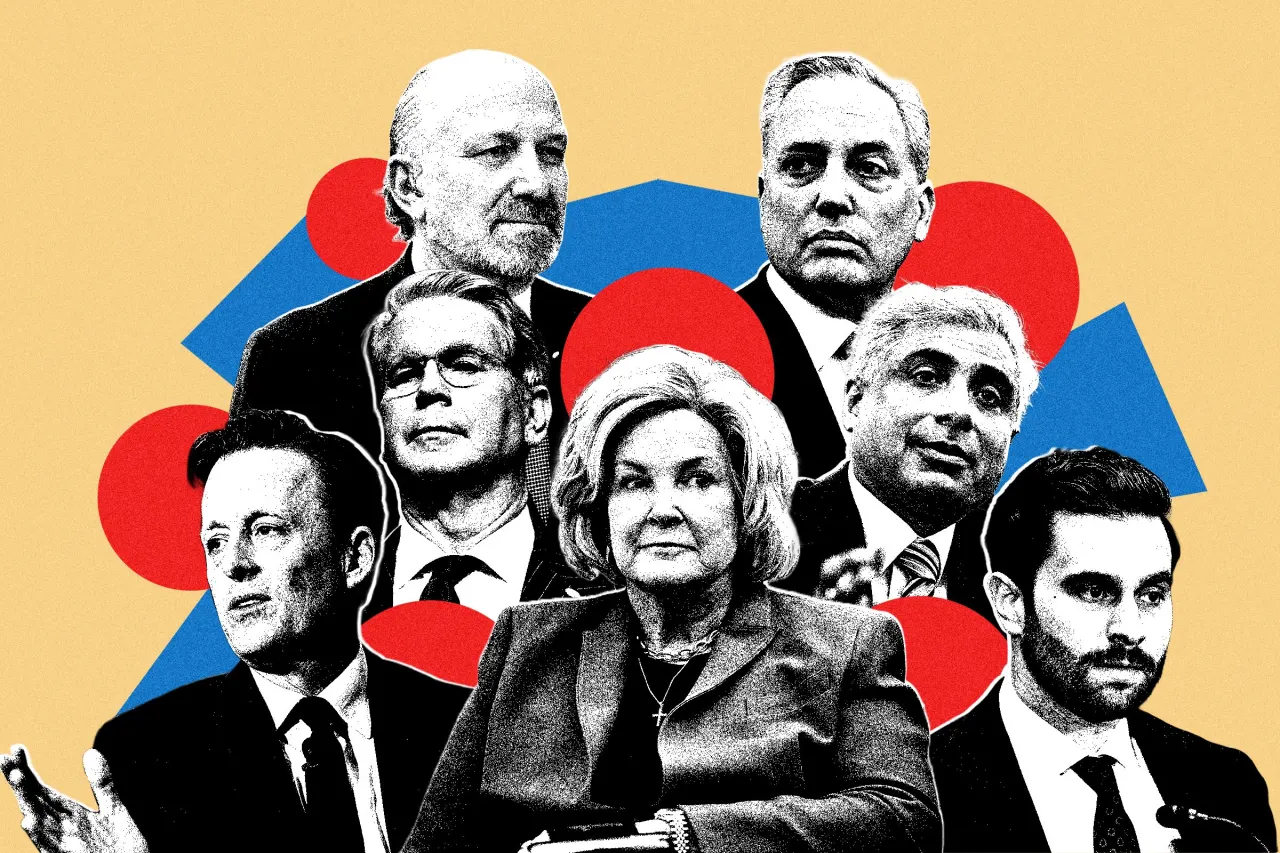
As competition intensifies over powerful open-weight AI models from China, the Trump administration is relying on a small, fragmented group of officials across different departments to decide on export controls and other restrictions, with no unified policy yet in place. This fragmentation matters because, according to a senior White House official, the disagreement is not a simple two-sided debate but one with "ten sides," meaning that whoever holds the most sway with President Trump personally is likely to end up shaping US AI policy rather than any coordinated interagency process.
Key figures include Commerce Secretary Howard Lutnick, who oversees export controls and has explored incentives for US labs to build open-weight models, while publicly downplaying the capabilities of China's Moonshot AI Kimi K3 model; Arvind Raman, the new acting head of the Center for AI Standards and Innovation, who took over after his predecessor resigned amid efforts to secure Anthropic's Fable 5 model against jailbreaks; and National Cyber Director Sean Cairncross, who takes a harder line on Chinese AI and helped shape Trump's 2 June executive order, with a particular focus on stopping Chinese labs from "distilling" data from top US models. A White House spokesperson said the administration's overarching goal is to widen America's lead in AI innovation.
In short
- Trump administration AI policy is split among rival officials, not unified.
- Commerce's Lutnick and CAISI's Raman shape export controls and lab relations.
- Cyber chief Cairncross pushes tougher curbs on Chinese AI distillation.
Steelman: both sides, in good faith
The strongest fair case each way — we don't pick a winner.
The case for
Open-weight AI models drive competition and innovation, ultimately serving American interests by fostering a dynamic sector and making US companies more competitive globally. Restrictive policies risk stifling domestic innovation and harming American companies' ability to build powerful models, whilst targeted incentives can align commercial interests with national goals whilst avoiding the ineffectiveness of trying to control information flow in a rapidly-moving field.
The case against
Chinese AI capabilities, particularly advanced models from state-linked laboratories, represent genuine national security and strategic competition concerns. Targeted restrictions on export controls and preventing technology transfer—such as stopping Chinese labs from distilling knowledge from leading US models—are necessary tools to maintain America's technological edge and protect critical national interests in an era of intensifying great-power competition.
Explained simply
The United States and China are in competition to develop the most advanced artificial intelligence systems. America's approach to this competition, including which technologies it permits companies to export and how it protects its own AI development, is being shaped by the Trump administration right now.
Rather than having one clear policy, multiple government officials in different departments are making AI decisions without a unified plan. This fragmentation matters because the officials with the strongest personal relationship with President Trump are likely to have the most influence over policy, rather than decisions being driven by coordination across government departments.
Key officials involved in these decisions include Commerce Secretary Howard Lutnick, who oversees export controls; Arvind Raman, the new head of the Center for AI Standards and Innovation; and National Cyber Director Sean Cairncross. These officials hold different views on how strictly America should regulate its relationship with Chinese AI companies.
AI Americas Government Politics Technology World